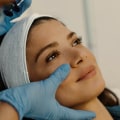
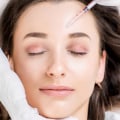
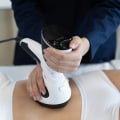
Medical aesthetics is a specialized field that combines art and science to enhance an individual's appearance through non-surgical procedures. Unlike traditional cosmetic surgery, medical aesthetics focuses on minimally invasive treatments that can rejuvenate the skin, improve facial contours, and address various skin concerns without the need for extensive recovery time. This approach allows individuals to achieve their desired look while maintaining a natural appearance, making it increasingly popular among those seeking subtle enhancements. There are numerous types of medical aesthetic treatments available today, each designed to target specific issues. Common procedures include Botox injections for wrinkle reduction, dermal fillers for volume restoration, and laser therapies for skin resurfacing.
Additionally, treatments like chemical peels and microdermabrasion help improve skin texture and tone. With advancements in technology, these treatments have become safer and more effective, providing patients with a range of options tailored to their unique needs. The benefits of medical aesthetics extend beyond mere physical appearance. Many individuals report increased self-confidence and improved mental well-being following their treatments. The ability to address concerns such as fine lines, uneven skin tone, or loss of volume can lead to a more youthful and vibrant look, which often translates into a more positive self-image.
Furthermore, the relatively quick recovery times associated with these procedures allow individuals to return to their daily lives with minimal disruption.
Importance of Aftercare in Medical Aesthetics
After undergoing any medical aesthetic treatment, the importance of aftercare cannot be overstated. Proper aftercare is crucial for ensuring optimal results and minimizing the risk of complications. Neglecting aftercare can lead to a range of issues that may not only affect the aesthetic outcome but also your overall health.Why Aftercare Matters
- Promotes Healing: Aftercare helps your body recover from the treatment, allowing for proper healing and reducing the likelihood of adverse reactions.
- Enhances Results: Following specific aftercare instructions can significantly enhance the results of your treatment, ensuring that you achieve the desired look.
- Reduces Risks: Proper care minimizes the risk of complications such as infections, scarring, or prolonged swelling.
Consequences of Neglecting Aftercare
- Infections: Failing to follow hygiene protocols can lead to infections, which may require additional medical treatment.
- Unsatisfactory Results: Ignoring aftercare guidelines can result in uneven or subpar results, leading to disappointment and potential need for corrective procedures.
- Prolonged Recovery: Not adhering to aftercare can prolong recovery time, causing unnecessary discomfort and delaying your return to normal activities.
Always consult with your practitioner for personalized aftercare instructions tailored to your specific treatment.
General Aftercare Instructions for Common Treatments
After undergoing medical aesthetic treatments, following proper aftercare instructions is crucial for achieving optimal results and minimizing potential side effects. Below are tailored aftercare guidelines for some of the most common procedures.Aftercare for Botox
- Avoid touching or massaging the treated area for at least 24 hours to prevent the Botox from spreading to unintended muscles.
- Stay upright for the first four hours post-treatment; this helps the product settle properly.
- Refrain from strenuous exercise for 24 hours, as increased blood flow can affect the results.
- Avoid alcohol and blood-thinning medications for 24 hours to reduce the risk of bruising.
Aftercare for Fillers
- Apply ice packs to the treated area intermittently for the first few hours to minimize swelling and discomfort.
- Avoid lying down flat for at least six hours after treatment to help maintain the filler in place.
- Do not engage in intense physical activity or heat exposure (like saunas) for 48 hours.
- If you experience any unusual swelling or pain, contact your provider immediately.
Aftercare for Laser Treatments
- Keep the treated area clean and moisturized. Use a gentle cleanser and a recommended moisturizer to aid healing.
- Avoid sun exposure and apply a broad-spectrum sunscreen with at least SPF 30 to protect sensitive skin.
- Do not pick at scabs or peeling skin, as this can lead to scarring or infection.
- If prescribed, take any medications as directed by your healthcare provider to manage discomfort or inflammation.
Specific Aftercare Tips by Treatment Type
After undergoing a medical aesthetic treatment, following specific aftercare instructions is crucial for achieving the best results.Different treatments require different care protocols, so here’s a breakdown of aftercare tips categorized by treatment type.
Botox and Dermal Fillers
- Avoid touching or massaging the treated area for at least 24 hours to prevent migration of the product.
- Stay upright for several hours post-treatment; this helps the product settle properly.
- Limit strenuous exercise for 24 hours to minimize swelling and bruising.
- Apply ice packs gently to reduce swelling, but avoid direct contact with the skin.
Chemical Peels
- Keep the skin moisturized with a gentle, hydrating product to aid in healing.
- Avoid sun exposure and use a broad-spectrum sunscreen with SPF 30 or higher.
- Do not pick or peel any flaking skin; let it shed naturally to prevent scarring.
- Limit hot showers and saunas for at least a week to avoid irritation.
Laser Treatments
- Apply a soothing ointment as recommended by your practitioner to reduce discomfort and promote healing.
- Avoid makeup on the treated area for at least 24 hours to allow the skin to breathe.
- Stay hydrated and consider using a humidifier to keep your skin moist during recovery.
- Avoid direct sunlight and tanning beds for several weeks; UV exposure can lead to pigmentation issues.
Common Mistakes to Avoid After Treatment
After undergoing a medical aesthetic treatment, it is crucial to follow proper aftercare instructions to ensure optimal results and minimize complications. However, many patients inadvertently make mistakes that can hinder their recovery and affect the outcome of their treatment. Here are some common mistakes to avoid:- Neglecting to Follow Post-Treatment Instructions: Each treatment comes with specific aftercare guidelines.
Ignoring these can lead to adverse effects. Always consult your practitioner for tailored advice.
- Excessive Sun Exposure: After treatments like chemical peels or laser therapy, your skin may be more sensitive to UV rays. Failing to use sunscreen or avoiding direct sunlight can result in pigmentation issues or prolonged healing.
- Touching or Picking at Treated Areas: It can be tempting to touch or scratch the treated area, especially if it feels itchy or uncomfortable. This can introduce bacteria and lead to infections or scarring.
- Skipping Hydration: Proper hydration is essential for skin recovery.
Not drinking enough water can slow down the healing process and affect the overall results of your treatment.
- Overdoing Physical Activity: Engaging in strenuous exercise too soon after treatment can increase swelling and bruising. It’s important to allow your body time to heal before resuming intense workouts.
- Using Harsh Skincare Products: After treatments, your skin may be sensitive. Using products with strong active ingredients like retinol or acids can irritate the skin and lead to complications.
When to Contact Your Practitioner
After undergoing a medical aesthetic treatment, it is crucial to remain vigilant about your recovery process.While most patients experience minimal side effects, there are certain signs of complications that should prompt you to contact your practitioner immediately.When to Call Your Doctor:
- If you notice any unusual swelling or bruising that does not subside within a few days.
- Persistent pain that is not alleviated by over-the-counter medications may indicate an underlying issue.
- Signs of infection, such as redness, warmth, or discharge at the treatment site, should be addressed without delay.
- If you experience difficulty breathing, chest pain, or any other severe symptoms, seek emergency medical attention.
- Changes in skin texture or color that persist beyond the expected recovery time.
- Any allergic reactions, such as rash or itching, especially if they occur shortly after the procedure.
- Emotional distress or anxiety regarding the results of your treatment; discussing these feelings with your practitioner can help.
FAQs About Aftercare in Medical Aesthetics
After undergoing a medical aesthetic treatment, patients often have numerous questions regarding the appropriate aftercare. Here are some of the most frequently asked questions:What should I avoid after my treatment?
- Avoid direct sunlight: Protect your skin from sun exposure for at least two weeks post-treatment to prevent pigmentation issues.
- Skip strenuous activities: Refrain from intense workouts or activities that cause excessive sweating for 24-48 hours.
- Do not touch or pick at the treated area: This can lead to infection or scarring.
How can I manage discomfort or swelling?
- Cold compress: Applying a cold compress can help reduce swelling and soothe discomfort.
- Over-the-counter pain relief: Medications like ibuprofen can be taken if necessary, but consult your provider first.
When can I resume my normal skincare routine?
It’s advisable to wait at least 48 hours before resuming your regular skincare products.After this period, introduce products gradually, starting with gentle cleansers and moisturizers. Avoid active ingredients like retinoids and acids for at least a week.
What signs should I watch for post-treatment?
If you notice any of the following symptoms, contact your provider immediately:- Severe redness or swelling: While some redness is normal, excessive swelling may indicate a reaction.
- Persistent pain: Discomfort should gradually decrease; if it worsens, seek advice.
- Signs of infection: Look for increased warmth, pus, or fever.
Conclusion: Key Takeaways on Aftercare for Medical Aesthetic Treatments
In summary, proper aftercare following medical aesthetic treatments is crucial for achieving optimal results and minimizing potential complications. By adhering to the guidelines provided by your practitioner, you can enhance your recovery process and ensure that your skin heals effectively. Here are the key takeaways to remember:- Follow Professional Advice: Always prioritize the specific aftercare instructions given by your healthcare provider, as they are tailored to your individual treatment and skin type.
- Hydration is Essential: Keeping your skin well-hydrated aids in recovery.
Use recommended moisturizers and drink plenty of water.
- Avoid Sun Exposure: Protecting your skin from the sun is vital. Use a broad-spectrum sunscreen with at least SPF 30, and wear protective clothing when outdoors.
- Be Gentle: Avoid harsh skincare products or vigorous scrubbing for a few days post-treatment. Opt for gentle cleansers and avoid makeup if advised.
- Monitor for Unusual Symptoms: Keep an eye out for any signs of infection or adverse reactions, such as excessive swelling or redness, and contact your provider if these occur.