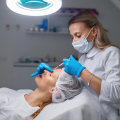
In recent years, medical aesthetics has emerged as a vital field within the beauty and wellness industry, blending advanced medical techniques with cosmetic treatments to enhance physical appearance. This discipline encompasses a variety of procedures, including injectables like Botox and dermal fillers, laser therapies, chemical peels, and skin rejuvenation treatments. Understanding medical aesthetics is essential for anyone considering these options, as it not only highlights the potential benefits but also underscores the importance of receiving care from qualified professionals. The significance of medical aesthetics lies in its ability to address various skin concerns and enhance overall appearance while promoting self-confidence. Treatments can range from non-invasive procedures that require little to no downtime to more intensive interventions that may necessitate recovery time.
Each treatment is designed to cater to individual needs, making it crucial for patients to be well-informed about their options and the qualifications of those administering them. As you explore the world of medical aesthetics, it becomes increasingly clear that finding a reputable medical aesthetician is paramount. A skilled aesthetician not only possesses the technical expertise required for safe and effective treatments but also understands the nuances of skin types and conditions. This knowledge ensures that patients receive personalized care tailored to their unique needs, ultimately leading to optimal results and satisfaction.
The Role of a Medical Aesthetician
A medical aesthetician plays a crucial role in the field of medical aesthetics, bridging the gap between beauty and medical care. Their primary responsibility is to provide advanced skin care treatments that enhance the appearance and health of the skin.This includes performing procedures such as chemical peels, microdermabrasion, and laser treatments, all aimed at improving skin texture, tone, and overall appearance.
Responsibilities of a Medical Aesthetician:
- Client Consultations: Conducting thorough assessments of clients' skin types and conditions to recommend appropriate treatments.
- Skin Treatments: Administering various non-invasive procedures to address issues like acne, aging, and pigmentation.
- Product Recommendations: Suggesting skincare products tailored to individual needs, often collaborating with dermatologists.
- Post-Treatment Care: Providing clients with aftercare instructions to ensure optimal results from their treatments.
- Staying Informed: Keeping up-to-date with the latest trends and technologies in the field of aesthetics.
Qualifications of a Medical Aesthetician:
To become a reputable medical aesthetician, one must possess specific qualifications and training. Typically, this includes:
- Education: Completion of a state-approved aesthetician program, which covers both theoretical knowledge and practical skills.
- Licensing: Obtaining a state license to practice as an aesthetician, which often requires passing an exam.
- Specialized Training: Additional certifications in advanced techniques such as laser therapy or chemical peels can enhance credibility.
- Experience: Hands-on experience in a clinical setting is invaluable for developing skills and building client trust.
Key Qualifications to Look For
When searching for a reputable medical aesthetician, understanding their qualifications is crucial. Here are the key credentials to consider:- Licensure: Ensure that the medical aesthetician is a licensed medical aesthetician.
This typically requires completing a state-approved training program and passing a licensing exam. Each state has its own requirements, so verify the specific regulations in your area.
- Certifications: Look for additional certifications that demonstrate advanced training in specific areas of medical aesthetics. Common certifications include:
- Certified Medical Aesthetician (CMA)
- Advanced Aesthetician Certification
- Laser Certification
- Training Programs: A reputable medical aesthetician should have completed a comprehensive training program that covers various aspects of skin care, treatments, and safety protocols. Programs accredited by recognized organizations ensure that the aesthetician has received quality education.
- Experience: Inquire about the aesthetician's experience in the field.
A professional with several years of practice is likely to have encountered a wide range of skin types and conditions, enhancing their ability to provide effective treatments.
- Continuing Education: The field of medical aesthetics is constantly evolving. A commitment to ongoing education through workshops, seminars, and courses indicates that the aesthetician stays updated on the latest techniques and technologies.
Researching Potential Aestheticians
Finding a reputable medical aesthetician requires thorough research to ensure you receive safe and effective treatments. Here are some strategies to help you in your search:- Online Reviews: Start by checking online review platforms such as Yelp, Google Reviews, and RealSelf. Look for aestheticians with a high number of positive reviews and pay attention to comments regarding their professionalism, results, and customer service.
- Social Media Presence: Explore social media platforms like Instagram and Facebook.
Many medical aestheticians showcase their work through before-and-after photos, client testimonials, and educational content. A strong social media presence can indicate an aesthetician's engagement with their clients and the community.
- Professional Websites: Visit the websites of potential aestheticians. A well-designed website should provide information about their qualifications, services offered, and any certifications they hold. Look for a blog or resource section that demonstrates their expertise in medical aesthetics.
- Ask for Recommendations: Speak with friends or family who have had positive experiences with medical aestheticians.
Personal referrals can lead you to trustworthy professionals.
- Check Credentials: Verify the aesthetician's credentials and training. They should be licensed and have completed specialized training in medical aesthetics.
- Consultation: Schedule a consultation to meet the aesthetician in person. This allows you to ask questions about their experience, treatment options, and approach to patient care.
Questions to Ask During Consultations
When seeking a reputable medical aesthetician, asking the right questions during your initial consultation is crucial. This not only helps you gauge their expertise but also ensures that you feel comfortable and informed about the treatments you are considering.Here are some essential questions to consider:
- What are your qualifications and experience? Inquire about their education, certifications, and how long they have been practicing in the field of medical aesthetics. A well-qualified aesthetician should be able to provide proof of their credentials.
- Can you explain the treatment process? Understanding what to expect during the procedure is vital. Ask them to walk you through the steps involved, including any pre-treatment preparations and post-treatment care.
- What products do you use? The quality of products can significantly impact results. Ask about the brands and ingredients they use, and whether they are FDA-approved or clinically tested.
- What are the potential risks and side effects? Every treatment comes with its own set of risks.
A reputable aesthetician should be transparent about possible side effects and how they manage them.
- Can you provide before-and-after photos of previous clients? Visual evidence of their work can help you assess their skill level and the results you might expect.
- How do you tailor treatments to individual needs? A good aesthetician should take the time to understand your specific skin type, concerns, and goals before recommending a treatment plan.
Understanding Treatment Options and Techniques
When seeking to enhance your appearance through medical aesthetics, understanding the various treatment options and techniques available is crucial. Medical aestheticians offer a range of services designed to address specific skin concerns and improve overall skin health.Types of Treatments by Medical Aestheticians
- Facials: Customized facials can target issues such as acne, aging, and dehydration. They often include deep cleansing, exfoliation, and hydration.
- Chemical Peels: These treatments use chemical solutions to remove dead skin cells, revealing smoother and more youthful skin underneath.
They can vary in strength and depth.
- Microdermabrasion: This non-invasive procedure exfoliates the skin using tiny crystals, helping to reduce fine lines, sun damage, and uneven texture.
- Laser Treatments: Medical aestheticians may use lasers for hair removal, skin resurfacing, or treating pigmentation issues. Each laser type targets different skin concerns.
- Injectables: While primarily administered by physicians, some medical aestheticians may assist with dermal fillers and Botox under supervision, providing a more youthful appearance.
Techniques Used by Aestheticians
A skilled medical aesthetician employs various techniques tailored to individual needs. For instance, they may use advanced skincare products during treatments to enhance results or incorporate LED therapy for its healing properties.Understanding these techniques can help you make informed decisions about your skincare journey. Ultimately, choosing the right treatment involves assessing your specific skin concerns and goals. Consulting with a reputable medical aesthetician can provide personalized recommendations that align with your desired outcomes.
Evaluating Safety and Hygiene Standards
When seeking a reputable medical aesthetician, evaluating safety and hygiene standards is paramount. The aesthetic treatments you receive can significantly impact your health, so understanding the protocols in place at a clinic is essential.Safety Standards in Medical Aesthetics
- Licensing and Certification: Ensure that the aesthetician is licensed and has received proper training in medical aesthetics. This includes certifications from recognized institutions that specialize in aesthetic procedures.
- Facility Accreditation: Look for clinics that are accredited by relevant health authorities.
Accreditation indicates that the facility meets specific safety and quality standards.
- Emergency Protocols: A reputable clinic should have clear emergency protocols in place. Inquire about their procedures for handling adverse reactions or complications during treatments.
Hygiene Practices in Aesthetic Clinics
- Cleanliness of the Facility: Visit the clinic to assess its cleanliness. A well-maintained environment reflects the clinic's commitment to hygiene.
- Use of Sterile Equipment: Confirm that all tools and equipment are sterilized before each use. Single-use items should be disposed of properly after each treatment.
- Staff Hygiene: Observe the staff's hygiene practices, including handwashing and the use of gloves during procedures.
This is crucial for preventing infections.
Safe Treatments by Aestheticians
- Consultation Process: A thorough consultation should precede any treatment. The aesthetician should assess your skin type, discuss your medical history, and explain the procedure in detail.
- Informed Consent: Ensure that you receive clear information about the risks and benefits of the treatment, along with a written consent form to sign before proceeding.
- Post-Treatment Care: Ask about aftercare instructions and follow-up appointments. Proper post-treatment care is vital for achieving optimal results and minimizing complications.
Cost Considerations and Insurance Coverage
When considering treatments from a medical aesthetician, understanding the cost and potential insurance coverage is crucial for effective budgeting. The prices for aesthetic procedures can vary significantly based on the type of treatment, the location of the clinic, and the experience of the practitioner.Average Costs of Treatments
On average, here are some common treatments and their estimated costs:- Facials: $75 - $150
- Chemical Peels: $150 - $300
- Microdermabrasion: $100 - $200
- Laser Hair Removal: $200 - $400 per session
- Injectables (e.g., Botox, fillers): $300 - $800 per treatment
It’s advisable to consult with your chosen medical aesthetician for a detailed quote tailored to your needs.
Insurance Coverage for Aesthetic Procedures
Most aesthetic procedures are considered elective and are not covered by health insurance. However, there are exceptions. For instance, if a treatment is deemed medically necessary—such as for severe acne or skin cancer treatment—insurance may provide partial coverage. Always check with your insurance provider to understand your policy's specifics.Budgeting for Aesthetic Treatments
When planning your budget for aesthetic treatments, consider the following tips:- Prioritize Treatments: Identify which treatments are most important to you and allocate funds accordingly.
- Look for Packages: Many clinics offer package deals that can reduce the overall cost when multiple sessions are purchased together.
- Financing Options: Some clinics provide financing plans that allow you to pay for treatments over time, making them more accessible.
Common Myths About Medical Aesthetics
When it comes to medical aesthetics, there are numerous myths and misconceptions that can cloud the understanding of potential clients.Addressing these myths is crucial for making informed decisions about aesthetic treatments.
- Myth 1: Medical Aestheticians Are Just Like Regular Aestheticians
While both professionals focus on skin care, medical aestheticians have advanced training and often work in clinical settings. They are equipped to perform more complex procedures and understand the medical implications of treatments. - Myth 2: All Treatments Are Painful
Many people believe that aesthetic procedures are inherently painful. In reality, most treatments are designed to minimize discomfort, often using topical anesthetics or cooling techniques to enhance patient comfort. - Myth 3: Results Are Immediate and Permanent
While some treatments may show immediate results, many require time for full effects to manifest. Additionally, results can vary based on individual skin types and maintenance is often necessary to sustain outcomes. - Myth 4: Medical Aesthetics Are Only for Women
This misconception overlooks the fact that men also seek aesthetic treatments.The industry has seen a significant increase in male clients who are interested in improving their appearance through various procedures.
Conclusion: Making an Informed Choice
In conclusion, finding a reputable medical aesthetician is a crucial step in ensuring that you receive safe and effective treatments tailored to your individual needs. Throughout this article, we have explored several key factors that can guide you in making an informed choice. First and foremost, it is essential to conduct thorough research. Start by checking the credentials and qualifications of potential aestheticians.Look for certifications from recognized institutions and ensure they have the necessary licenses to practice in your state. Next, consider the experience of the medical aesthetician. A professional with a solid track record and extensive experience in the specific treatments you are interested in can significantly enhance your confidence in their abilities. Don’t hesitate to ask about their previous work and client outcomes. Additionally, reading reviews and testimonials from past clients can provide valuable insights into the aesthetician's skills and patient satisfaction. Look for feedback on their professionalism, the quality of care provided, and overall results. Another important aspect is the environment of the clinic or spa.
A reputable establishment should maintain high standards of cleanliness and professionalism. During your consultation, take note of how the staff interacts with clients and whether they prioritize safety and comfort. Finally, trust your instincts. If something feels off during your initial consultation or if you feel pressured into treatments, it may be best to seek alternatives. Your comfort and confidence in your chosen medical aesthetician are paramount. By following these guidelines, you can make a well-informed decision that aligns with your aesthetic goals while ensuring a safe and positive experience.