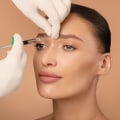
In recent years, medical aesthetics has emerged as a transformative field within the beauty and wellness industry, blending advanced medical techniques with aesthetic goals. This discipline encompasses a variety of non-surgical treatments designed to enhance physical appearance, improve skin health, and boost overall confidence. From injectables like Botox and dermal fillers to laser therapies and chemical peels, the options available are vast and tailored to meet individual needs. Understanding medical aesthetics is crucial for anyone considering these treatments. It is not merely about achieving a youthful look; it’s about enhancing one’s natural beauty while addressing specific concerns such as wrinkles, pigmentation, or skin laxity.
The significance of this field lies in its ability to provide effective solutions with minimal downtime, allowing individuals to integrate these treatments seamlessly into their busy lives. As we delve deeper into the world of medical aesthetic treatments, it becomes evident that combining various procedures can lead to enhanced results. Each treatment offers unique benefits, and when strategically paired, they can complement one another to achieve a more comprehensive rejuvenation. This section will explore the different types of medical aesthetic treatments available and how they can be effectively combined for optimal outcomes.
The Benefits of Combining Treatments
Combining multiple medical aesthetic treatments can offer a range of benefits that enhance the overall effectiveness of the procedures. One of the primary advantages is the potential for synergy between treatments, where the results of one procedure can amplify the effects of another.For instance, pairing Botox with dermal fillers can create a more youthful appearance by addressing both dynamic and static wrinkles simultaneously.Another significant benefit is the reduction in recovery time. Many patients find that when treatments are combined, they can achieve their desired results in fewer sessions. This is particularly advantageous for those with busy schedules who may not have the time to undergo multiple separate procedures. By consolidating treatments, patients can enjoy a more streamlined experience while still achieving comprehensive results.Cost-effectiveness is also a compelling reason to consider combining medical aesthetic treatments.
Many clinics offer package deals or discounts for patients who opt for multiple procedures at once. This not only makes aesthetic enhancements more accessible but also allows patients to maximize their investment in their appearance.In summary, the decision to combine medical aesthetic treatments can lead to enhanced results, quicker recovery times, and greater cost efficiency. Understanding these benefits is crucial for patients looking to optimize their aesthetic outcomes and achieve their beauty goals effectively.
Popular Combinations of Medical Aesthetic Treatments
Combining medical aesthetic treatments can enhance results and provide a more comprehensive approach to achieving your desired look. Here are some of the most popular combinations that practitioners often recommend:- Botox and Dermal Fillers: This duo is a classic in the world of aesthetics.
Botox works by relaxing the muscles that cause wrinkles, while dermal fillers add volume to areas like the cheeks and lips. Together, they can create a smoother, more youthful appearance.
- Laser Treatments and Chemical Peels: For those looking to improve skin texture and tone, pairing laser treatments with chemical peels can be highly effective. Lasers target deeper skin layers to stimulate collagen production, while chemical peels exfoliate the surface, resulting in a radiant complexion.
- Microneedling and PRP (Platelet-Rich Plasma): This combination is gaining popularity for its regenerative effects. Microneedling creates micro-injuries in the skin, promoting healing and collagen production.
When combined with PRP, which uses your own blood's growth factors, the results can be significantly enhanced.
- CoolSculpting and RF (Radiofrequency) Treatments: For body contouring, CoolSculpting freezes fat cells, while RF treatments tighten the skin. Using these together can help achieve a slimmer silhouette with improved skin elasticity.
Safety Considerations When Combining Treatments
When considering the combination of multiple medical aesthetic treatments, it is crucial to prioritize safety. While many patients seek enhanced results through treatment combinations, understanding the potential risks and safety concerns is essential.Safety of Combining Aesthetic Treatments
Combining treatments can lead to improved outcomes, but it also increases the complexity of care.Each procedure has its own set of risks, and when combined, these risks can be amplified. For instance, procedures like Botox and dermal fillers may complement each other well, but they can also lead to unexpected side effects if not administered correctly.
Risks of Treatment Combinations
- Increased Side Effects: The likelihood of experiencing side effects such as swelling, bruising, or allergic reactions may rise when multiple treatments are performed simultaneously.
- Overcorrection: Combining treatments without proper assessment can lead to overcorrection, resulting in an unnatural appearance.
- Delayed Healing: Some treatments may interfere with the healing process of others, prolonging recovery time.
- Consultation: Always have a thorough consultation with a qualified practitioner who understands your medical history and aesthetic goals.
- Timing: Consider spacing out treatments to allow your body to respond appropriately to each procedure.
- Follow-Up Care: Adhere to post-treatment care instructions and schedule follow-up appointments to monitor your progress.
Consultation with a Medical Professional
Before embarking on a journey of combining multiple medical aesthetic treatments, it is crucial to consult with a qualified medical professional. This step is not just a formality; it is an essential part of ensuring that your treatment plan is safe and effective.Consulting with Aesthetic Professionals
Aesthetic professionals, such as dermatologists or licensed aesthetic practitioners, possess the expertise needed to evaluate your individual skin type, concerns, and goals.
They can provide personalized recommendations based on their extensive knowledge of various treatments, including injectables, laser therapies, and skin rejuvenation techniques. During your consultation, be prepared to discuss:
- Your medical history
- Any previous aesthetic treatments
- Your specific goals and expectations
The Importance of Professional Advice
Seeking professional advice is vital for several reasons:
- Safety: Combining treatments can sometimes lead to unexpected side effects or complications. A professional can help mitigate these risks.
- Effectiveness: Not all treatments work well together. A qualified expert can design a treatment plan that maximizes results while minimizing downtime.
- Customization: Every individual’s skin is unique.
Professionals can tailor combinations specifically for your needs, ensuring optimal outcomes.
Choosing the Right Provider
Selecting the right provider is equally important. Look for practitioners who are board-certified and have a solid reputation in the field of medical aesthetics. Reading reviews, asking for before-and-after photos, and verifying credentials can help you make an informed decision. Remember, the goal is to find someone who not only understands the technical aspects of treatments but also prioritizes patient care and satisfaction.In conclusion, consulting with a medical professional before combining aesthetic treatments is essential for achieving safe and effective results.
Their expertise will guide you in making informed decisions that align with your beauty goals.
FAQs About Combining Medical Aesthetic Treatments
Combining multiple medical aesthetic treatments can be an effective way to enhance results and address various skin concerns simultaneously. However, it’s essential to approach this strategy with care and knowledge. Here are some frequently asked questions regarding the combination of treatments:- Can I combine treatments? Yes, many patients successfully combine treatments such as Botox, dermal fillers, and laser therapy. However, it’s crucial to consult with a qualified practitioner who can assess your individual needs and recommend the best combination for your goals.
- How to combine aesthetic treatments? The key to effectively combining treatments lies in understanding their mechanisms and timing.
For instance, Botox can be administered alongside fillers, but it’s often recommended to schedule them on different days to allow for optimal healing and results. Additionally, layering treatments like microneedling followed by PRP therapy can enhance skin rejuvenation.
- What to know about treatment combinations? Before combining treatments, consider the following:
- Consultation is vital: Always discuss your treatment plans with a licensed professional who understands your skin type and concerns.
- Timing matters: Some treatments may require downtime, so plan accordingly to avoid overlapping recovery periods.
- Potential interactions: Be aware of how different treatments may interact. For example, certain laser treatments may not be suitable immediately after injectables.
- Your goals: Clearly define what you hope to achieve with combined treatments to ensure that your practitioner can tailor a plan that meets your expectations.
Conclusion: Making Informed Choices in Medical Aesthetics
In conclusion, the world of medical aesthetics offers a plethora of options for individuals seeking to enhance their appearance.As we have explored, combining multiple treatments can lead to synergistic effects, often resulting in more pronounced and satisfying outcomes. However, it is crucial to approach these combinations with careful consideration and informed decision-making.Before embarking on a journey of combined treatments, patients should:
- Consult with qualified professionals: Engaging with experienced practitioners who understand the nuances of various treatments is essential. They can provide personalized recommendations based on individual skin types, concerns, and goals.
- Understand the treatments: Knowledge is power. Patients should educate themselves about the specific procedures they are considering, including potential risks, benefits, and recovery times.
- Consider timing and sequencing: Not all treatments can be performed simultaneously.
Understanding the optimal timing for each procedure can enhance results and minimize complications.
- Set realistic expectations: While combining treatments can yield impressive results, it is important to maintain realistic expectations regarding outcomes. A clear understanding of what each treatment can achieve will help in setting achievable goals.