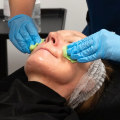
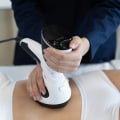
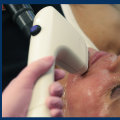
In recent years, medical aesthetics has emerged as a popular field that combines art and science to enhance physical appearance through various non-surgical treatments. At its core, medical aesthetics focuses on improving the aesthetic aspects of the body and face, utilizing advanced techniques and technologies. This field encompasses a wide range of procedures, from injectables like Botox and dermal fillers to laser treatments and skin rejuvenation therapies. Understanding what medical aesthetics entails is essential for anyone considering these treatments. The types of medical aesthetic treatments available are diverse, catering to different needs and concerns.
For instance, individuals seeking to reduce the appearance of fine lines may opt for Botox injections, while those looking to improve skin texture might choose chemical peels or microdermabrasion. Additionally, laser treatments can address issues such as pigmentation, acne scars, and unwanted hair. Each treatment offers unique benefits and can be tailored to meet individual goals, making it crucial for potential patients to explore their options thoroughly. One of the primary benefits of medical aesthetics is the boost in self-confidence that many experience after undergoing treatment. These procedures can lead to significant improvements in appearance without the downtime associated with surgical options.
Furthermore, advancements in technology have made these treatments safer and more effective than ever before. As you delve deeper into the world of medical aesthetics, you'll discover how these innovative solutions can help you achieve your desired look while enhancing your overall well-being.
Consultation: The First Step in Preparation
Preparing for a medical aesthetic treatment begins with the consultation, a crucial first step that sets the tone for your entire experience. This meeting is not just a formality; it is an opportunity for you to communicate your goals and concerns while allowing your provider to assess your needs.What to Expect During the Consultation
- Your provider will typically start by reviewing your medical history, including any previous treatments or conditions that may affect your procedure.
- You will discuss your aesthetic goals, whether it’s reducing wrinkles, enhancing volume, or improving skin texture.
- The provider may perform a physical examination of the areas you wish to treat, offering personalized recommendations based on their findings.
- Expect to receive information about the different treatment options available, including their benefits and potential risks.
- What qualifications and experience do you have in performing this treatment? Understanding your provider's background can help build trust.
- What are the expected results and how long will they last? This helps set realistic expectations for your treatment outcomes.
- What are the potential side effects or complications? Knowing the risks involved is essential for informed consent.
- What is the recovery process like? Understanding downtime can help you plan accordingly.
- How much will the treatment cost? Clarifying costs upfront can prevent any surprises later on.
Researching Your Treatment Options
When considering medical aesthetic treatments, the first step is to thoroughly research the various options available.The field of medical aesthetics encompasses a wide range of procedures, each designed to address specific concerns and enhance your appearance.
Types of Medical Aesthetic Treatments
- Injectables: These include Botox and dermal fillers, which can reduce wrinkles and add volume to the face.
- Laser Treatments: Laser therapy can target pigmentation issues, acne scars, and skin texture.
- Chemical Peels: These treatments exfoliate the skin, improving its appearance and texture.
- Microneedling: This procedure stimulates collagen production, helping to rejuvenate the skin.
- Body Contouring: Non-surgical options like CoolSculpting can help reduce stubborn fat deposits.
- Efficacy: Research how effective each treatment is for your specific concerns.
- Recovery Time: Some procedures require downtime, while others allow you to return to daily activities immediately.
- Cost: Understand the financial implications of each treatment, including potential follow-up sessions.
- Side Effects: Be aware of any possible side effects or risks associated with each option.
Remember, informed decisions lead to better results in your aesthetic journey.
Preparing Physically and Mentally for Treatment
Preparing for a medical aesthetic treatment involves both physical and mental readiness to ensure a smooth experience and optimal results. Here are some essential tips to help you get ready.Physical Preparation Tips
- Consult Your Provider: Schedule a consultation with your aesthetic practitioner to discuss your medical history, current medications, and any allergies. This will help tailor the treatment to your specific needs.
- Maintain a Healthy Lifestyle: In the weeks leading up to your treatment, focus on eating a balanced diet rich in fruits, vegetables, and lean proteins. Staying hydrated is also crucial, so aim for at least eight glasses of water a day.
- Avoid Certain Substances: Refrain from alcohol, smoking, and recreational drugs for at least a week before your procedure.
These substances can interfere with healing and may increase the risk of complications.
- Limit Sun Exposure: Protect your skin from excessive sun exposure by using sunscreen and wearing protective clothing. This is especially important if you are undergoing treatments like chemical peels or laser therapy.
Mental Preparation for Aesthetic Procedures
- Set Realistic Expectations: Understand that while medical aesthetics can enhance your appearance, they are not miracle solutions. Discuss your goals with your provider to ensure they align with what is achievable.
- Practice Relaxation Techniques: Engage in activities that promote relaxation, such as yoga, meditation, or deep-breathing exercises. These practices can help reduce anxiety and prepare you mentally for the treatment.
- Educate Yourself: Research the specific procedure you will undergo.
Knowing what to expect can alleviate fears and help you feel more in control of the situation.
What to Expect During the Procedure
When undergoing a medical aesthetic procedure, it’s essential to understand what to expect during the treatment. Each procedure can vary significantly, but there are common elements that can help you feel more prepared.Initial Consultation
- Your journey typically begins with a thorough consultation. This is your opportunity to discuss your goals, medical history, and any concerns you may have with your practitioner.
- The practitioner will assess your skin type and condition to recommend the most suitable treatment options.
Preparation for the Procedure
- Before the treatment, you may be advised to avoid certain medications or supplements that can increase bleeding, such as aspirin or fish oil.
- It’s also recommended to stay hydrated and avoid alcohol for at least 24 hours prior to your appointment.
During the Treatment
- On the day of the procedure, you will be guided to a treatment room where the procedure will take place. Depending on the type of treatment—such as injectables, laser therapy, or chemical peels—the environment will be sterile and comfortable.
- Your practitioner will explain each step of the process as it unfolds, which can help alleviate anxiety.
- Pain management is a common concern.
Many practitioners use topical anesthetics or numbing agents to minimize discomfort during procedures. For more invasive treatments, sedation options may be available.
Post-Procedure Expectations
- After the treatment, you may experience some swelling or redness in the treated area. This is normal and usually subsides within a few hours to days.
- Your practitioner will provide aftercare instructions tailored to your specific procedure, which may include avoiding sun exposure and using gentle skincare products.
Post-Treatment Care: Ensuring Optimal Results
After undergoing a medical aesthetic treatment, proper post-treatment care is crucial for achieving the best possible results. Following your provider's specific instructions is essential, but here are some general aftercare tips to help you manage your recovery effectively.- Keep the Area Clean: Gently cleanse the treated area with a mild soap and lukewarm water.
Avoid harsh scrubs or exfoliants for at least a week.
- Avoid Sun Exposure: Protect your skin from direct sunlight. Use a broad-spectrum sunscreen with at least SPF 30 to prevent pigmentation changes.
- Stay Hydrated: Drink plenty of water to help your skin heal and maintain its elasticity.
- Follow Medication Guidelines: If prescribed, take any medications as directed to manage pain or inflammation.
- Limit Physical Activity: Avoid strenuous exercise for a few days post-treatment to minimize swelling and bruising.
- Cold Compress: Apply a cold compress to the treated area for 10-15 minutes at a time to reduce swelling and soothe discomfort.
- Avoid Touching: Refrain from touching or picking at the treated area to prevent infection and ensure proper healing.
- Monitor Changes: Keep an eye on any unusual changes in the treated area.
If you notice excessive swelling, persistent pain, or signs of infection, contact your provider immediately.
Frequently Asked Questions About Medical Aesthetics
When considering medical aesthetics, many potential patients have questions and concerns. Here are some of the most frequently asked questions that can help clarify your understanding of aesthetic treatments.What are medical aesthetics?
Medical aesthetics refers to a range of non-surgical procedures designed to enhance appearance and improve skin health. These treatments can include injectables like Botox and dermal fillers, laser therapies, chemical peels, and more.Are aesthetic treatments safe?
While most aesthetic treatments are considered safe when performed by qualified professionals, it is essential to consult with a licensed practitioner. They will assess your individual needs and medical history to ensure the best outcomes.How long do results last?
The longevity of results varies depending on the type of treatment.For instance, Botox typically lasts 3-6 months, while dermal fillers can last from 6 months to 2 years. Regular maintenance sessions may be required to sustain the desired effects.
What are common myths about medical aesthetics?
- Myth: Aesthetic treatments are only for women.
- Fact: Men also seek these treatments to enhance their appearance and boost confidence.
- Myth: Results look unnatural.
- Fact: When performed by skilled professionals, results can appear very natural and subtle.
- Myth: All treatments are painful.
- Fact: Many procedures include numbing agents or are minimally invasive, resulting in little to no discomfort.
Conclusion: Your Journey in Medical Aesthetics Begins Here
As you embark on your journey in medical aesthetics, it’s essential to reflect on the key points discussed throughout this article. Preparing for a medical aesthetic treatment is not just about the procedure itself; it encompasses a holistic approach that includes understanding your goals, researching options, and ensuring you are well-informed.First and foremost, consultation with a qualified practitioner is crucial. This step allows you to discuss your expectations, ask questions, and receive personalized advice tailored to your unique needs.Remember, a good practitioner will prioritize your safety and satisfaction.Next, consider the importance of pre-treatment care. This may involve avoiding certain medications or substances that could interfere with the treatment or affect your recovery. Following pre-treatment guidelines can significantly enhance the results and minimize potential complications.Additionally, understanding the recovery process is vital. Each treatment comes with its own set of aftercare instructions that should be followed diligently to ensure optimal healing and results.
Be prepared for any downtime and plan accordingly.Finally, keep in mind that medical aesthetics is an ongoing journey. Results may take time to fully manifest, and maintaining them often requires follow-up treatments or a consistent skincare regimen. Embrace this journey with patience and an open mind.In conclusion, your path in medical aesthetics begins with informed decisions and careful preparation. By taking these steps, you are not only investing in your appearance but also in your overall well-being.
Take the leap with confidence, knowing that you are equipped with the knowledge to make the best choices for yourself.