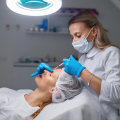
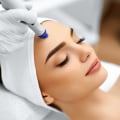
Medical aesthetics is a specialized field that combines art and science to enhance an individual's appearance through non-surgical procedures. Unlike traditional cosmetic surgery, medical aesthetics focuses on minimally invasive treatments that can rejuvenate the skin, improve facial contours, and address various skin concerns without the need for extensive recovery time. This approach allows individuals to achieve their desired look while maintaining a natural appearance, making it increasingly popular among those seeking subtle enhancements. The benefits of medical aesthetics extend beyond mere appearance. Many treatments can boost self-confidence and improve overall well-being.
For instance, procedures like Botox and dermal fillers not only reduce the signs of aging but also promote a more youthful and vibrant look. Additionally, treatments such as chemical peels and laser therapy can address skin issues like acne scars, pigmentation, and uneven texture, leading to healthier skin overall. Common types of medical aesthetic treatments include injectables, laser therapies, and skin rejuvenation techniques. Injectables like Botox and hyaluronic acid fillers are designed to smooth wrinkles and restore volume. Laser treatments can target specific skin concerns with precision, while chemical peels exfoliate the skin to reveal a brighter complexion.
Understanding these options is crucial for anyone considering treatment, as it lays the groundwork for maintaining results effectively at home.
The Importance of Aftercare in Medical Aesthetics
After undergoing medical aesthetic treatments, the importance of aftercare cannot be overstated. Proper aftercare is essential for ensuring that the results of your treatment are not only visible but also long-lasting. Neglecting aftercare can lead to a range of complications that may diminish the effectiveness of your treatment and even cause adverse effects.Why Aftercare Matters
- Enhances Results: Following the recommended aftercare regimen can significantly enhance the results of your treatment. This includes adhering to guidelines regarding skincare products, sun exposure, and physical activities.
- Reduces Risks: Aftercare helps minimize the risk of complications such as infections, scarring, or uneven results.
For instance, avoiding strenuous exercise immediately after a procedure can prevent unnecessary swelling and irritation.
- Promotes Healing: Many medical aesthetic treatments require time for the skin to heal properly. Aftercare instructions often include moisturizing and avoiding certain irritants, which are crucial for optimal recovery.
Consequences of Neglecting Aftercare
- Suboptimal Results: Ignoring aftercare can lead to less than satisfactory outcomes, meaning you may not achieve the desired look you were hoping for.
- Increased Downtime: Failing to follow aftercare instructions can prolong recovery time, leading to extended periods of discomfort or visible side effects.
- Financial Implications: If results are compromised due to neglecting aftercare, you may find yourself needing additional treatments or corrective procedures, which can be costly.
Daily Skincare Routine for Maintaining Results
Maintaining the results of your medical aesthetic treatments requires a dedicated daily skincare routine.This routine should be gentle yet effective, focusing on hydration, protection, and nourishment to enhance your skin's appearance.
Morning Routine:
- Cleanser: Start with a mild, hydrating cleanser to remove impurities without stripping your skin's natural oils. Look for products containing hyaluronic acid or glycerin.
- Toner: Use an alcohol-free toner to balance your skin's pH and prepare it for subsequent products. Ingredients like rose water or witch hazel can be beneficial.
- Serum: Apply a vitamin C serum to brighten your complexion and protect against environmental damage. This step is crucial for maintaining the glow from treatments.
- Moisturizer: Choose a lightweight, non-comedogenic moisturizer that hydrates without clogging pores.
Look for formulations with ceramides or squalane.
- Sunscreen: Never skip sunscreen! A broad-spectrum SPF 30 or higher is essential to protect your skin from UV damage and prevent premature aging.
Evening Routine:
- Cleanser: Repeat the cleansing step to remove makeup and pollutants accumulated throughout the day.
- Treatment Products: Depending on your specific needs, incorporate targeted treatments such as retinol or peptides to promote cell turnover and collagen production.
- Moisturizer: Use a richer moisturizer at night to help repair and rejuvenate your skin while you sleep. Look for ingredients like niacinamide or hyaluronic acid.
Additions to Your Routine:
- Exfoliation: Gently exfoliate 1-2 times a week with a chemical exfoliant (like AHAs or BHAs) to remove dead skin cells and promote a smoother texture.
- Masks: Consider using hydrating masks weekly to boost moisture levels and enhance the effects of your treatments.
Lifestyle Changes to Support Aesthetic Treatments
Maintaining the results of your medical aesthetic treatments goes beyond the clinic; it requires a commitment to lifestyle changes that promote skin health and overall well-being. Here are some essential adjustments you can make:Diet for Maintaining Aesthetic Results
Your diet plays a crucial role in how your skin looks and feels. Incorporating a variety of nutrient-rich foods can enhance the effects of your treatments:- Antioxidant-rich foods: Include fruits and vegetables like berries, spinach, and carrots, which help combat oxidative stress and promote skin repair.
- Healthy fats: Foods rich in omega-3 fatty acids, such as salmon, walnuts, and flaxseeds, can improve skin elasticity and hydration.
- Hydration: Drinking plenty of water is vital for maintaining skin moisture and flushing out toxins.
Aim for at least 8 glasses a day.
Exercise and Skin Care
Regular physical activity not only benefits your body but also your skin:- Increased circulation: Exercise boosts blood flow, delivering oxygen and nutrients to your skin, which can enhance its appearance.
- Stress reduction: Physical activity is a natural stress reliever. Lower stress levels can lead to fewer breakouts and a healthier complexion.
- Post-exercise care: Always cleanse your skin after workouts to remove sweat and prevent clogged pores. Follow up with a hydrating moisturizer.
Common Mistakes to Avoid After Treatments
After undergoing medical aesthetic treatments, it’s crucial to follow proper aftercare to maintain your results.However, many individuals unknowingly make mistakes that can hinder their recovery and the effectiveness of the treatment. Here are some common mistakes to avoid:
- Neglecting Sun Protection: One of the most significant errors is failing to protect your skin from the sun. UV exposure can lead to pigmentation issues and diminish the results of treatments like chemical peels or laser therapy. Always apply a broad-spectrum sunscreen with at least SPF 30, even on cloudy days.
- Skipping Follow-Up Appointments: Aftercare doesn’t end when you leave the clinic.
Skipping follow-up appointments can prevent your practitioner from monitoring your progress and addressing any concerns. These visits are essential for ensuring optimal results.
- Overusing Skincare Products: Many people think that using more products will enhance their results, but this can backfire. Over-exfoliating or using harsh ingredients can irritate the skin. Stick to a gentle skincare routine as recommended by your practitioner.
- Ignoring Instructions: Each treatment comes with specific aftercare instructions tailored to your needs.
Ignoring these guidelines can lead to complications or subpar results. Always follow your provider's advice regarding activities, skincare, and lifestyle changes.
- Engaging in Strenuous Activities: After certain treatments, such as injectables or facials, it’s advisable to avoid intense workouts or activities that cause excessive sweating for at least 24-48 hours. This helps prevent inflammation and ensures better healing.
When to Consult Your Practitioner
After undergoing medical aesthetic treatments, it’s crucial to monitor your recovery and be aware of any signs that may indicate the need for a follow-up consultation with your practitioner.Understanding when to seek professional advice can significantly impact the longevity and effectiveness of your results.
Signs to Consult Your Practitioner
- Persistent Swelling or Redness: While some swelling and redness are normal post-treatment, if these symptoms last longer than expected or worsen, it’s essential to reach out to your practitioner.
- Unusual Pain or Discomfort: If you experience severe pain that doesn’t subside with over-the-counter medication, this could be a sign of complications that require professional evaluation.
- Infection Symptoms: Signs of infection, such as increased warmth, pus, or fever, should prompt immediate consultation with your healthcare provider.
- Changes in Skin Texture: If you notice unexpected changes in your skin’s texture or color, such as lumps or unevenness, it’s advisable to seek guidance.
The Importance of Follow-Up Care
Follow-up care is a vital component of the medical aesthetics journey. Regular check-ins with your practitioner can help ensure that your treatment results are maintained and any potential issues are addressed promptly. Your practitioner can provide tailored advice on skincare routines and products that complement your treatment, enhancing the overall outcome.Additionally, follow-up appointments allow for adjustments to be made if necessary. For instance, if you’re not achieving the desired results or experiencing side effects, your practitioner can recommend alternative treatments or modifications to your current regimen.In summary, being proactive about your post-treatment care and recognizing when to consult your practitioner can lead to better outcomes and a more satisfying aesthetic experience.FAQs About Maintaining Medical Aesthetic Results at Home
Maintaining the results of your medical aesthetic treatments at home is crucial for prolonging their effects and ensuring you get the most out of your investment.Here are some frequently asked questions that can help guide your home care routine:
- How soon can I resume my normal skincare routine after treatment?
It’s best to wait at least 24 to 48 hours after your treatment before resuming your regular skincare products. This allows your skin to recover and minimizes the risk of irritation. - What products should I use to maintain my results?
Look for hydrating serums, gentle cleansers, and sun protection. Products containing hyaluronic acid, peptides, and antioxidants can be particularly beneficial in maintaining skin health. - How important is sun protection?
Extremely important! UV exposure can significantly diminish the results of your treatments. Always apply a broad-spectrum sunscreen with at least SPF 30 daily, even on cloudy days. - Can I use makeup after my treatment?
It’s advisable to wait at least 24 hours before applying makeup, especially if you had injections or other invasive procedures.When you do apply makeup, opt for non-comedogenic products to avoid clogging pores.
- How often should I follow up with my aesthetician?
Regular follow-ups are essential. Depending on the treatment, a visit every 3 to 6 months may be recommended to assess your skin and make necessary adjustments to your home care routine.