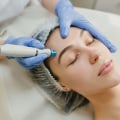
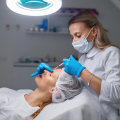
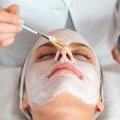
Medical aesthetics is a specialized field that merges the principles of medicine with cosmetic procedures to enhance an individual's appearance. This discipline encompasses a wide range of treatments designed to address various aesthetic concerns, from skin rejuvenation to body contouring. Unlike traditional beauty treatments, medical aesthetics is performed by licensed professionals, ensuring that patients receive safe and effective care tailored to their unique needs. The scope of medical aesthetics is vast, including procedures such as botulinum toxin injections, dermal fillers, laser therapies, and chemical peels. Each treatment aims to improve specific aspects of a person's appearance, whether it be reducing wrinkles, enhancing facial volume, or improving skin texture.
The importance of this field lies not only in its ability to boost self-esteem but also in its focus on achieving natural-looking results that align with the patient's personal goals. Understanding the various types of medical aesthetics treatments available is crucial for anyone considering these options. Each treatment can be customized based on individual concerns and desired outcomes, making it essential for patients to engage in thorough consultations with their providers. This personalized approach ensures that every aspect of the treatment plan is aligned with the patient's aesthetic goals, leading to more satisfying results.
The Importance of Customized Treatment Plans
In the realm of medical aesthetics, the significance of customized treatment plans cannot be overstated. Each individual presents a unique set of concerns, goals, and skin types, making a one-size-fits-all approach ineffective.A tailored treatment plan not only addresses specific issues but also enhances the overall experience and results.
Benefits of Personalized Treatments
- Targeted Solutions: Customized plans allow practitioners to focus on the specific areas of concern, whether it’s fine lines, acne scars, or uneven skin tone. This targeted approach leads to more effective outcomes.
- Enhanced Safety: Personalization takes into account individual health histories and skin sensitivities, reducing the risk of adverse reactions and ensuring safer treatments.
- Improved Satisfaction: When treatments are aligned with personal goals, clients are more likely to feel satisfied with their results, fostering trust and long-term relationships with their providers.
It encourages open communication between the client and practitioner, allowing for adjustments based on feedback and progress. This dynamic relationship ensures that clients feel heard and valued throughout their aesthetic journey.In conclusion, embracing a customized treatment plan in medical aesthetics is essential for achieving optimal results. By focusing on individual concerns and goals, clients can enjoy a more effective, safe, and satisfying experience that truly reflects their unique beauty.
How Are Customized Treatment Plans Developed?
Creating a customized treatment plan in medical aesthetics involves a comprehensive approach that takes into account various factors unique to each individual. The process typically begins with an in-depth assessment conducted by a qualified practitioner.This assessment is crucial as it helps to identify the specific concerns and goals of the patient.
Key Steps in Developing a Customized Treatment Plan:
- Initial Consultation: During this phase, the practitioner engages in a detailed discussion with the patient to understand their aesthetic goals, medical history, and any previous treatments they may have undergone.
- Skin Analysis: A thorough examination of the skin is performed to evaluate its condition, texture, and any specific issues such as pigmentation, wrinkles, or acne scars. This analysis may include the use of advanced imaging technology.
- Setting Realistic Goals: Based on the assessment, the practitioner collaborates with the patient to set achievable goals. This step is essential to ensure that expectations align with what can realistically be accomplished through treatment.
- Choosing Appropriate Treatments: The practitioner will recommend a combination of treatments tailored to the patient's needs. This may include options such as injectables, laser therapies, or skincare regimens.
- Ongoing Evaluation: After initiating treatment, regular follow-ups are scheduled to monitor progress and make necessary adjustments to the plan.
This ensures that the treatment remains effective and aligned with the patient’s evolving goals.
Factors Influencing Treatment Plans:
- Age: Different age groups may require different approaches due to varying skin conditions and concerns.
- Skin Type: The unique characteristics of an individual’s skin can significantly influence treatment choices.
- Lifestyle Factors: Elements such as sun exposure, smoking, and diet can affect skin health and should be considered when developing a plan.
- Medical History: Any underlying health conditions or medications can impact treatment options and outcomes.
Common Concerns Addressed by Customized Treatments
In the realm of medical aesthetics, customized treatment plans are designed to address a variety of common aesthetic concerns. These concerns often stem from individual skin types, aging processes, and personal goals. Below are some prevalent issues that can be effectively managed through tailored treatments.- Fine Lines and Wrinkles: As we age, our skin loses elasticity, leading to the formation of fine lines and wrinkles. Treatments such as Botox or dermal fillers can smooth out these signs of aging, restoring a youthful appearance.
- Acne and Acne Scarring: Many individuals struggle with acne at various stages of life.
Customized plans may include chemical peels, laser therapy, or specialized topical treatments to reduce breakouts and minimize scarring.
- Hyperpigmentation: Dark spots and uneven skin tone can be addressed with treatments like microdermabrasion, laser treatments, or targeted serums that promote skin renewal and evenness.
- Loss of Volume: As facial volume diminishes with age, customized solutions such as fat grafting or volumizing fillers can restore fullness to areas like the cheeks and lips.
- Pore Size and Texture: Enlarged pores and rough skin texture can be improved through treatments like microneedling, which stimulates collagen production for smoother skin.
Popular Treatments in Medical Aesthetics
In the realm of medical aesthetics, a variety of treatments are available that can be customized to meet individual concerns and goals. Understanding these popular treatments can help you make informed decisions about your aesthetic journey.- Injectables: One of the most sought-after categories in medical aesthetics, injectables include Botox and dermal fillers. Botox is primarily used to reduce the appearance of fine lines and wrinkles by temporarily paralyzing the underlying muscles.
Dermal fillers, on the other hand, add volume to areas such as the cheeks and lips, providing a more youthful appearance. Both treatments can be tailored in dosage and placement to achieve natural-looking results.
- Laser Treatments: Laser technology has revolutionized skin care, offering solutions for various skin concerns. Treatments like laser hair removal, fractional laser resurfacing, and laser skin tightening can be customized based on skin type, tone, and specific issues such as pigmentation or scarring. A consultation with a qualified practitioner can help determine the best laser treatment for your unique needs.
- Skin Rejuvenation Options: Beyond injectables and lasers, there are numerous skin rejuvenation options available.
Chemical peels, microneedling, and photofacials are popular choices that can improve skin texture, tone, and overall appearance. Each treatment can be adjusted in intensity and frequency to align with your skin's condition and your aesthetic goals.
FAQs About Customized Treatment Plans in Medical Aesthetics
When considering customized treatment plans in medical aesthetics, many individuals have questions about the process and what to expect. Here are some frequently asked questions that can help clarify your concerns:- What factors influence my customized treatment plan?
Your treatment plan will be tailored based on several factors, including your skin type, age, specific concerns (such as wrinkles, acne scars, or pigmentation), and your aesthetic goals.A thorough consultation with a qualified professional is essential to determine the best approach for you.
- How do I know if a customized plan is right for me?
If you have specific aesthetic goals or concerns that you want to address, a customized treatment plan is likely the best option. This personalized approach ensures that the treatments you receive are aligned with your unique needs. - Can I change my treatment plan later?
Absolutely! Your needs and goals may evolve over time, and it’s important to communicate any changes with your aesthetic provider. They can adjust your treatment plan accordingly to ensure optimal results. - What types of treatments can be included in a customized plan?
A customized treatment plan may include a variety of options such as injectables (like Botox or fillers), laser treatments, chemical peels, and skincare regimens. The combination will depend on your individual goals and skin condition. - How long does it take to see results from a customized treatment plan?
Results can vary based on the treatments included in your plan.Some procedures offer immediate results, while others may take several weeks to show full effects. Your provider will give you a timeline based on your specific treatments.
Conclusion: The Future of Personalized Medical Aesthetics
As we conclude our exploration of medical aesthetics, it is clear that the future lies in personalized treatment plans tailored to individual needs and goals. The advancements in technology and a deeper understanding of skin biology have paved the way for customized solutions that address specific concerns, whether they be anti-aging, skin rejuvenation, or body contouring.Personalized approaches not only enhance the effectiveness of treatments but also improve patient satisfaction.By considering factors such as skin type, lifestyle, and personal preferences, practitioners can create a comprehensive plan that aligns with each client's unique aesthetic aspirations.
- Individual Assessment: A thorough evaluation of your skin condition and aesthetic goals is essential. This assessment allows for the selection of appropriate treatments that will yield the best results.
- Combination Therapies: Many patients benefit from a combination of treatments, such as injectables, laser therapies, and skincare regimens, all tailored to their specific needs.
- Ongoing Adjustments: Personalized treatment plans are not static; they evolve based on progress and changing goals. Regular follow-ups ensure that the plan remains effective and relevant.
Embracing this trend not only benefits clients but also enhances the practice of medical aesthetics as a whole, fostering a culture of care that prioritizes individual needs.