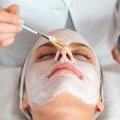
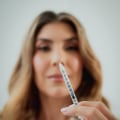
In recent years, medical aesthetics has emerged as a popular field that combines the principles of medicine and beauty to enhance physical appearance. This growing trend encompasses a variety of non-surgical procedures, including injectables like Botox and dermal fillers, laser treatments, and skin rejuvenation techniques. As more individuals seek to improve their looks and boost their confidence, understanding the implications of these treatments becomes increasingly important. While the allure of achieving a youthful appearance is undeniable, it is crucial to recognize that medical aesthetics is not without its risks. Just like any medical procedure, aesthetic treatments can come with potential side effects that vary in severity.
From mild reactions such as swelling and bruising to more serious complications, being informed about these risks can help individuals make educated decisions about their aesthetic journeys. This discussion on the risks of medical aesthetics serves as a vital component in understanding the broader context of these procedures. By exploring the possible side effects and complications associated with various treatments, we aim to equip readers with the knowledge necessary to navigate this complex landscape safely. Ultimately, awareness and education are key to ensuring that the pursuit of beauty does not come at an unexpected cost.
What Are Medical Aesthetics?
Medical aesthetics refers to a range of non-surgical procedures designed to enhance an individual’s appearance. These treatments are typically performed by licensed professionals, including dermatologists and plastic surgeons, and focus on improving aesthetic concerns through minimally invasive techniques.Understanding the various types of medical aesthetics is essential for anyone considering these procedures.Here are some common categories:
- Injectables: This includes treatments like Botox and dermal fillers. Botox is used to temporarily paralyze muscles, reducing the appearance of wrinkles, while fillers add volume to areas such as lips and cheeks.
- Laser Treatments: These procedures utilize focused light to treat skin issues such as pigmentation, scars, and wrinkles. Common types include laser hair removal and fractional laser resurfacing.
- Chemical Peels: This involves applying a chemical solution to exfoliate the skin, improving texture and tone. It can address issues like acne scars and sun damage.
- Microneedling: A technique that uses tiny needles to create micro-injuries in the skin, promoting collagen production and improving skin texture.
For instance, while Botox can effectively reduce fine lines, it may also lead to temporary bruising or swelling at the injection site. Similarly, laser treatments can result in redness or irritation post-procedure.In summary, medical aesthetics encompasses a variety of procedures aimed at enhancing beauty through non-invasive methods. Understanding these options is crucial for making informed decisions about potential risks and side effects associated with each treatment.
Common Risks Associated with Medical Aesthetic Procedures
When considering medical aesthetics, it is crucial to understand the potential risks and complications that may arise from various procedures. While many treatments are generally safe, they are not without their challenges.Common Risks
- Infection: Any procedure that involves breaking the skin carries a risk of infection.
Proper sterilization and aftercare are essential to minimize this risk.
- Allergic Reactions: Some individuals may experience allergic reactions to the substances used in aesthetic treatments, such as fillers or anesthetics.
- Scarring: Although rare, some procedures can lead to scarring, particularly if the skin does not heal properly.
- Asymmetry: In procedures like dermal fillers or Botox, there is a possibility of uneven results, leading to facial asymmetry.
- Swelling and Bruising: Temporary swelling and bruising are common side effects following many aesthetic treatments, but they usually resolve within a few days.
- Nerve Damage: Some procedures may inadvertently affect nearby nerves, leading to temporary or permanent changes in sensation.
- Vascular Complications: Injections near blood vessels can cause blockages, leading to tissue necrosis or other serious issues.
Side Effects of Popular Medical Aesthetic Treatments
When considering medical aesthetics, it is crucial to understand the potential side effects associated with popular treatments such as Botox, dermal fillers, and laser therapies.Each of these procedures carries its own set of risks that patients should be aware of before making a decision.
Side Effects of Botox
Botox, a widely used treatment for reducing wrinkles, can lead to several side effects, including:- Bruising at the injection site
- Headaches or migraines
- Drooping eyelids or eyebrows
- Nausea
- Flu-like symptoms
Side Effects of Dermal Fillers
Dermal fillers are popular for adding volume and smoothing out wrinkles. However, they can also cause:- Swelling and redness at the injection site
- Lumps or bumps under the skin
- Allergic reactions
- Infection
- Tissue necrosis, in rare cases
Side Effects of Laser Treatments
Laser therapies are effective for skin resurfacing and hair removal but may result in:- Redness and swelling
- Pigment changes, especially in darker skin tones
- Bumps or blisters
- Scarring, if not performed correctly
- Increased sensitivity to sunlight
Factors Influencing Risks and Side Effects
When considering medical aesthetics, it is crucial to understand the various factors that can influence the likelihood of experiencing risks or side effects. These factors can range from individual patient characteristics to the qualifications of the practitioner and the environment in which the treatment is administered.Patient Health History
One of the most significant factors affecting aesthetic treatment outcomes is the patient's health history. Conditions such as diabetes, autoimmune disorders, or a history of allergic reactions can increase the risk of complications.It is essential for patients to disclose their complete medical history during consultations, as this information helps practitioners tailor treatments to minimize risks.
Practitioner Skill Level
The skill and experience of the practitioner play a vital role in determining treatment safety and effectiveness. A highly trained and experienced professional is more likely to perform procedures with precision, reducing the chances of adverse effects. Patients should always verify the credentials and experience of their chosen provider before undergoing any aesthetic treatment.Treatment Environment
The environment where the procedure takes place also impacts safety. Treatments performed in sterile, accredited facilities are less likely to result in infections or complications compared to those conducted in unregulated settings.Ensuring that the clinic adheres to strict hygiene protocols is essential for patient safety.
Individual Risk Factors
Each individual may have unique risk factors that can affect their response to aesthetic treatments. Factors such as age, skin type, and lifestyle choices (like smoking or sun exposure) can influence healing and overall results. For instance, older patients may experience slower recovery times, while those with sensitive skin may be more prone to irritation.In summary, understanding these factors is crucial for anyone considering medical aesthetics. By being aware of personal health conditions, choosing qualified practitioners, and ensuring a safe treatment environment, patients can significantly reduce their risk of experiencing side effects.How to Minimize Risks in Medical Aesthetics
When considering medical aesthetics, understanding how to minimize risks is crucial for achieving safe and satisfactory results.Here are some practical steps to ensure a safer experience:
- Choose Qualified Practitioners: Always seek out licensed and experienced professionals. Verify their credentials, read reviews, and ask about their training in specific aesthetic procedures. A qualified practitioner will not only have the necessary skills but will also prioritize patient safety.
- Consultation is Key: Schedule a thorough consultation before any procedure. This is your opportunity to discuss your medical history, expectations, and any concerns you may have.
A reputable practitioner will take the time to explain the procedure, potential risks, and aftercare.
- Follow Pre- and Post-Treatment Instructions: Adhering to the guidelines provided by your practitioner can significantly reduce the risk of complications. This may include avoiding certain medications, alcohol, or sun exposure before and after treatment.
- Be Aware of Your Body: Pay attention to how your body reacts during and after the procedure. If you notice any unusual symptoms or side effects, contact your practitioner immediately. Early intervention can prevent more serious complications.
Understanding that results can vary based on individual factors will help you approach the process with a balanced perspective. By taking these precautions and being proactive in your care, you can significantly minimize risks associated with medical aesthetics and enjoy a more positive experience.
Frequently Asked Questions About Medical Aesthetics Risks
When considering medical aesthetics, many potential patients have questions about the associated risks and side effects. Understanding these concerns is crucial for making informed decisions.- What are the common side effects of medical aesthetic procedures?Common side effects can vary depending on the specific treatment but often include:
- Swelling: Temporary swelling is a normal response, particularly after injectables like fillers or Botox.
- Bruising: Some patients may experience bruising at the injection site, which typically resolves within a few days.
- Redness: Mild redness can occur post-treatment and usually subsides quickly.
- Pain or discomfort: Some procedures may cause mild pain, which can often be managed with over-the-counter pain relief.
- Are there serious risks involved?While most procedures are safe when performed by qualified professionals, there are potential serious risks, including:
- Infection: Any procedure that breaks the skin carries a risk of infection, though this is rare with proper care.
- Allergic reactions: Some individuals may have allergic reactions to substances used in treatments.
- Asymmetry or dissatisfaction: Results may not meet expectations, leading to dissatisfaction or the need for corrective procedures.
- How can I minimize risks?To minimize risks associated with medical aesthetics:
- Choose a qualified and experienced practitioner.
- Discuss your medical history and any allergies during the consultation.
- Follow pre- and post-treatment care instructions carefully.
Conclusion: Weighing the Benefits Against the Risks
In conclusion, navigating the world of medical aesthetics requires a careful consideration of both the potential benefits and the associated risks. As we have explored throughout this article, procedures such as Botox, dermal fillers, and laser treatments can offer significant improvements in appearance and self-esteem.However, it is crucial to approach these options with a well-informed mindset.
Understanding the Benefits:
- Enhanced Appearance: Many individuals experience increased confidence and satisfaction with their looks after undergoing aesthetic treatments.
- Minimally Invasive Options: Many procedures are non-surgical, allowing for quicker recovery times and less downtime.
- Personalized Treatments: Medical aesthetics can be tailored to meet individual needs, ensuring that each patient receives care suited to their unique goals.
Recognizing the Risks:
- Possible Side Effects: Common side effects may include swelling, bruising, or allergic reactions, which can vary based on the procedure.
- Long-Term Considerations: Some treatments may require ongoing maintenance or could lead to complications if not performed by qualified professionals.
- Misinformation: The rise of unregulated practitioners can lead to subpar results or unsafe practices, emphasizing the need for thorough research.