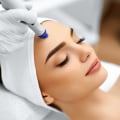
In recent years, medical aesthetics has emerged as a transformative field that bridges the gap between traditional beauty treatments and advanced medical procedures. This innovative approach focuses on enhancing physical appearance through a variety of non-surgical techniques, making it increasingly popular among individuals seeking to improve their self-image without the need for invasive surgeries. Understanding what medical aesthetics entails is essential for anyone considering these treatments, as it encompasses a wide range of services designed to rejuvenate and revitalize the skin. The significance of medical aesthetics lies not only in its ability to enhance beauty but also in its contribution to overall wellness. Many treatments offered in this field are aimed at addressing specific skin concerns, such as aging, pigmentation, and texture irregularities.
By utilizing advanced technologies and techniques, practitioners can provide tailored solutions that cater to individual needs, resulting in natural-looking outcomes that boost confidence and self-esteem. Moreover, the benefits of medical aesthetics extend beyond mere cosmetic improvements. Many patients report enhanced emotional well-being and a renewed sense of vitality after undergoing treatments. As society continues to embrace the importance of self-care and personal grooming, understanding the fundamentals of medical aesthetics becomes crucial for those looking to explore their options in this dynamic field.
Botox and Dermal Fillers
In the realm of medical aesthetics, Botox and dermal fillers stand out as two of the most sought-after treatments for facial rejuvenation. Both procedures are minimally invasive and can significantly enhance one’s appearance, but they work in different ways and serve distinct purposes.How Botox Works
Botox, or botulinum toxin, is a neurotoxic protein that temporarily paralyzes muscles.When injected into specific facial muscles, it blocks nerve signals, preventing the muscles from contracting. This results in a smoother appearance of fine lines and wrinkles, particularly around the forehead, eyes, and mouth. The effects typically last three to six months, after which repeat treatments are necessary to maintain results.
Benefits of Botox
- Reduces the appearance of wrinkles: Botox is highly effective in minimizing dynamic wrinkles caused by facial expressions.
- Quick procedure: Treatments usually take only 10 to 15 minutes, making it easy to fit into a busy schedule.
- No downtime: Most patients can return to their normal activities immediately after treatment.
- Preventative effects: Regular use can prevent the formation of new wrinkles over time.
Understanding Dermal Fillers
Dermal fillers, on the other hand, are substances injected beneath the skin to restore lost volume, smooth out lines, and enhance facial contours. Common materials used in fillers include hyaluronic acid, calcium hydroxylapatite, and poly-L-lactic acid.Each type has unique properties that cater to different aesthetic goals.
Benefits of Dermal Fillers
- Adds volume: Fillers can plump areas such as cheeks and lips, providing a youthful appearance.
- Smooths out wrinkles: They effectively reduce static wrinkles that remain even when the face is at rest.
- Long-lasting results: Depending on the type of filler used, results can last from six months to two years.
- Customizable treatments: Practitioners can tailor the treatment to meet individual needs and desired outcomes.
Laser Treatments
Laser treatments have revolutionized the field of medical aesthetics, offering a range of solutions for various skin concerns. These treatments utilize focused light energy to target specific areas, promoting skin rejuvenation and enhancing overall appearance.Types of Laser Treatments
- Laser Hair Removal: This popular treatment uses concentrated beams of light to destroy hair follicles, resulting in long-term hair reduction. It is effective on various skin types and can be performed on multiple body areas.
- Skin Resurfacing: Laser skin resurfacing helps improve skin texture and tone by removing damaged outer layers.
This treatment can reduce the appearance of fine lines, wrinkles, and scars, making it a favored option for those seeking a youthful glow.
- Pigmentation Correction: Lasers can effectively treat hyperpigmentation issues such as sun spots, age spots, and melasma. By targeting melanin in the skin, these treatments help achieve a more even complexion.
Benefits of Laser Therapy
The benefits of laser therapy extend beyond mere cosmetic improvements. Many patients experience:- Minimal Downtime: Most laser treatments require little to no recovery time, allowing individuals to return to their daily activities quickly.
- Precision: Lasers can precisely target problem areas without affecting surrounding tissues, minimizing damage and promoting faster healing.
- Long-lasting Results: Many laser treatments provide long-term results, making them a cost-effective solution for ongoing skin concerns.
Chemical Peels
Chemical peels are a popular treatment in the realm of medical aesthetics, designed to enhance the skin's appearance by removing the outer layers.This process stimulates the regeneration of new skin cells, leading to improved texture and tone.
Types of Chemical Peels
- Light Peels: These peels use mild acids, such as alpha-hydroxy acids (AHAs), to exfoliate the outermost layer of skin. They are ideal for treating minor skin imperfections, such as fine lines and uneven pigmentation.
- Medium Peels: Utilizing trichloroacetic acid (TCA), medium peels penetrate deeper into the skin. They effectively address more pronounced issues like moderate wrinkles and sun damage, providing more significant results than light peels.
- Deep Peels: These peels involve stronger agents, such as phenol, and are used for severe skin concerns, including deep wrinkles and scars. Deep peels require longer recovery times but can yield dramatic improvements in skin quality.
Benefits of Chemical Peels
The benefits of chemical peels extend beyond mere cosmetic enhancement.Here are some key advantages:
- Improved Skin Texture: By removing dead skin cells, chemical peels promote smoother skin and reduce rough patches.
- Even Skin Tone: They help diminish hyperpigmentation and discoloration, resulting in a more uniform complexion.
- Reduced Acne Scars: Chemical peels can minimize the appearance of acne scars, making them a valuable option for those with a history of acne.
- Stimulated Collagen Production: The peeling process encourages collagen synthesis, which is essential for maintaining youthful skin elasticity.
Microneedling
Microneedling, also known as collagen induction therapy, is a minimally invasive procedure that has gained popularity in the realm of medical aesthetics. This treatment involves the use of a device equipped with fine needles that create micro-injuries in the skin, stimulating the body’s natural healing process.How Microneedling Works
- The procedure begins with a thorough cleansing of the skin to remove any impurities.
- A topical anesthetic is applied to minimize discomfort during the treatment.
- The microneedling device is then gently moved across the skin, creating controlled micro-injuries.
- As the skin heals, it produces new collagen and elastin, essential proteins for maintaining skin structure and elasticity.
- Fine lines and wrinkles
- Acne scars
- Stretch marks
- Pore size reduction
- Overall skin rejuvenation
- Collagen Production: By stimulating collagen and elastin production, microneedling helps to restore youthful skin.
- Improved Skin Texture: The treatment can smooth out rough patches and enhance overall skin tone.
- Minimal Downtime: Most patients experience only mild redness post-treatment, similar to a sunburn, allowing for a quick return to daily activities.
- Enhanced Product Absorption: Microneedling can improve the absorption of topical products, making them more effective.
Its ability to promote collagen production and rejuvenate the skin makes it a sought-after choice for those looking to enhance their appearance without extensive downtime.
Non-Surgical Body Contouring
Non-surgical body contouring has gained immense popularity in the realm of medical aesthetics, offering individuals a chance to achieve their desired body shape without the need for invasive surgery. Two of the most recognized methods in this category are CoolSculpting and SculpSure.How Non-Surgical Body Contouring Works
CoolSculpting, also known as cryolipolysis, utilizes controlled cooling to freeze and eliminate fat cells. During the procedure, a specialized applicator is placed on the targeted area, where it cools the fat cells to a temperature that triggers their natural death. Over the following weeks, the body gradually metabolizes these dead fat cells, resulting in a noticeable reduction in fat bulges.SculpSure
, on the other hand, employs laser technology to target and destroy fat cells.This non-invasive treatment uses heat to disrupt the integrity of fat cells while leaving surrounding tissues unharmed. Similar to CoolSculpting, the body naturally processes and eliminates these damaged fat cells over time.
Benefits of Non-Surgical Body Contouring
- Minimal Downtime: One of the most significant advantages of non-surgical options is that they require little to no recovery time. Patients can often return to their daily activities immediately after treatment.
- Targeted Fat Reduction: Both CoolSculpting and SculpSure allow for precise targeting of specific areas, making them ideal for individuals looking to contour areas like the abdomen, thighs, or love handles.
- Natural-Looking Results: The gradual elimination of fat cells leads to subtle yet effective results that appear natural over time.
- No Anesthesia Required: Unlike surgical procedures, these treatments do not require anesthesia, reducing risks associated with surgery.
- Long-Lasting Effects: Once fat cells are eliminated through these procedures, they do not return, provided that a healthy lifestyle is maintained.
FAQs about Medical Aesthetics Treatments
When considering medical aesthetics treatments, many individuals have questions regarding safety, recovery times, and what to expect during their procedures.Here are some frequently asked questions that can help clarify these concerns.
What are the common questions about medical aesthetics?
- What types of treatments are available? Medical aesthetics encompasses a variety of procedures, including injectables like Botox and dermal fillers, laser treatments, chemical peels, and skin rejuvenation therapies.
- Are these treatments safe? Most aesthetic treatments are considered safe when performed by qualified professionals. However, it is essential to discuss any medical history or concerns with your provider.
- How long do results last? The longevity of results varies by treatment. For instance, Botox typically lasts 3-6 months, while dermal fillers can last from 6 months to 2 years depending on the type used.
What should I know about the safety of aesthetic treatments?
The safety of aesthetic treatments largely depends on the practitioner’s experience and the quality of products used. Always ensure that your provider is licensed and has a good reputation.Side effects can occur but are usually mild and temporary, such as swelling or bruising at the injection site.
What is the recovery time for aesthetic procedures?
Recovery times vary based on the type of treatment:- Injectables: Minimal downtime; most people return to normal activities immediately.
- Laser treatments: May require a few days for redness or swelling to subside.
- Chemical peels: Recovery can take several days to a week depending on the depth of the peel.
Conclusion: The Future of Medical Aesthetics
As we conclude our exploration of medical aesthetics, it is clear that this field is not only about enhancing physical appearance but also about promoting overall well-being and confidence. The treatments discussed, ranging from injectables to laser therapies, reflect a growing trend towards personalized care that addresses individual needs and desires.The future of medical aesthetics is poised for significant advancements, driven by technological innovations and a deeper understanding of human biology. As new techniques and products emerge, patients can expect more effective and safer options that yield natural-looking results. This evolution will likely include:- Enhanced Safety Protocols: With ongoing research and development, safety measures will continue to improve, ensuring that patients receive the highest standard of care.
- Personalized Treatments: The rise of genetic testing and AI-driven assessments will allow practitioners to tailor treatments specifically to the individual, maximizing effectiveness.
- Holistic Approaches: There is a growing recognition of the connection between mental and physical health, leading to treatments that consider emotional well-being alongside aesthetic goals.
This trend emphasizes the importance of maintaining authenticity while achieving desired results.In summary, the landscape of medical aesthetics is rapidly evolving, offering exciting possibilities for those seeking to enhance their appearance. As we look ahead, it is essential for both practitioners and patients to stay informed about these developments, ensuring that the journey towards aesthetic enhancement remains safe, effective, and fulfilling.