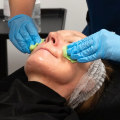
In recent years, medical aesthetics has emerged as a transformative field that combines art and science to enhance physical appearance and boost self-confidence. This branch of medicine encompasses a variety of non-surgical and minimally invasive treatments designed to address common concerns such as wrinkles, skin laxity, and uneven skin tone. As more individuals seek these innovative solutions, understanding the nuances of each treatment becomes essential, particularly when it comes to treatment recovery and potential downtime. One of the most critical aspects to consider before undergoing any medical aesthetic procedure is the downtime after treatment. While many procedures promise quick results with minimal interruption to daily life, the reality can vary significantly based on the type of treatment chosen.
For instance, some treatments may require only a few hours of recovery, while others could necessitate several days or even weeks for optimal healing. This variability can influence not only the timing of your procedure but also your overall experience and satisfaction with the results. As we delve deeper into the world of medical aesthetics, it is vital to equip yourself with knowledge about what to expect post-treatment. Understanding the recovery process can help you make informed decisions, manage expectations, and ultimately achieve the best possible outcomes. Whether you are considering injectables, laser treatments, or other aesthetic procedures, being aware of potential downtime will empower you to plan accordingly and enjoy your journey towards enhanced beauty with confidence.
What Are Medical Aesthetic Treatments?
Medical aesthetic treatments encompass a wide range of procedures designed to enhance an individual's appearance through non-surgical methods.These treatments are typically performed by licensed professionals and focus on improving aesthetic concerns without the need for invasive surgery.Among the most popular types of medical aesthetic treatments are:
- Injectables: This category includes Botox and dermal fillers, which are used to reduce the appearance of wrinkles and restore volume to the face. Injectables are quick procedures with minimal downtime, making them a favored choice for those seeking immediate results.
- Laser Treatments: Laser technology is employed for various purposes, including hair removal, skin resurfacing, and treating pigmentation issues. These treatments utilize focused light energy to target specific skin concerns, often resulting in smoother and more youthful-looking skin.
- Skin Rejuvenation Procedures: Techniques such as chemical peels and microdermabrasion fall under this category. They aim to exfoliate the skin, promoting cell turnover and revealing a fresher complexion.
These procedures can address issues like acne scars, sun damage, and uneven skin tone.
Understanding Downtime: What It Means in Aesthetic Treatments
In the realm of medical aesthetics, the term downtime refers to the period following a treatment during which patients may experience side effects or need to limit certain activities. Understanding this concept is crucial for anyone considering aesthetic procedures, as it can significantly impact their recovery and overall satisfaction with the results.Downtime
can vary widely depending on the type of treatment performed.For instance, non-invasive procedures like Botox or dermal fillers typically involve minimal downtime, often allowing patients to resume their daily activities almost immediately. In contrast, more invasive treatments such as facelifts or laser skin resurfacing may require several days to weeks for recovery, during which patients might experience swelling, bruising, or discomfort.
Factors Influencing Recovery Period
- Type of Treatment: Different procedures have varying levels of invasiveness and complexity.
- Individual Healing Response: Each person's body reacts differently to treatments, affecting recovery time.
- Post-Treatment Care: Following aftercare instructions can significantly influence how quickly one heals.
It is vital for patients to consult with their aesthetic provider to gain a clear understanding of what their specific treatment entails and how long they should anticipate being in recovery.
Factors Influencing Downtime After Treatments
When considering medical aesthetics, understanding the factors that influence downtime after treatments is essential for setting realistic expectations. Recovery time can vary significantly based on several key elements.Treatment Type
The type of treatment you undergo plays a crucial role in determining your recovery period. For instance:- Injectables such as Botox or dermal fillers typically involve minimal downtime, with most patients returning to their daily activities immediately.
- Laser treatments, on the other hand, may require several days of recovery due to potential redness and swelling.
- More invasive procedures, like facelifts or liposuction, often necessitate a longer recovery period, sometimes extending to weeks.
Individual Health Conditions
Your overall health and any pre-existing conditions can also impact your recovery. Factors include:- Age: Older patients may experience slower healing processes compared to younger individuals.
- Skin type: Those with sensitive skin may react more intensely to treatments, leading to prolonged downtime.
- Medical history: Conditions such as diabetes or autoimmune disorders can complicate recovery and increase the risk of complications.
Post-Treatment Care
The care you provide yourself after a treatment is equally important.Following your practitioner’s aftercare instructions can significantly reduce downtime. This includes:
- Avoiding sun exposure and using sunscreen diligently.
- Staying hydrated and maintaining a balanced diet to support healing.
- Avoiding strenuous activities that could exacerbate swelling or irritation.
Common Medical Aesthetic Treatments and Their Downtime
Understanding the downtime associated with various medical aesthetic treatments is crucial for anyone considering these procedures. Different treatments come with varying recovery times, and being informed can help set realistic expectations.Injectables Recovery Time
Injectables, such as Botox and dermal fillers, are among the most popular medical aesthetic treatments.Generally, the recovery time for these procedures is minimal:
- Botox: Patients can typically return to their normal activities immediately after treatment. However, it is advisable to avoid strenuous exercise and lying down for at least four hours post-injection to prevent the product from migrating.
- Dermal Fillers: Similar to Botox, fillers usually require little to no downtime. Some patients may experience mild swelling or bruising at the injection site, which typically resolves within a few days.
Laser Treatment Downtime
Laser treatments, such as laser resurfacing, can have a more significant downtime compared to injectables:- Ablative Laser Treatments: These procedures often involve a recovery period of 1 to 2 weeks. Patients may experience redness, swelling, and peeling skin as the treated area heals.
It’s essential to follow post-treatment care instructions to minimize complications.
- Non-Ablative Laser Treatments: These tend to have less downtime, with many patients returning to their daily routines within a few days. Some redness may persist but usually subsides quickly.
Post-Treatment Care: Enhancing Recovery and Minimizing Downtime
After undergoing a medical aesthetic treatment, proper post-treatment care is crucial for enhancing recovery and minimizing downtime. Each treatment may have specific aftercare instructions, but there are general guidelines that can help ensure optimal results.Immediate Post-Treatment Care
- Follow Your Provider's Instructions: Always adhere to the specific aftercare recommendations provided by your practitioner. This may include avoiding certain activities or products.
- Keep the Area Clean: Gently cleanse the treated area with mild soap and water to prevent infection.
- Avoid Touching: Refrain from touching or picking at the treated area to minimize irritation and potential scarring.
Managing Discomfort and Swelling
- Cold Compress: Applying a cold compress can help reduce swelling and discomfort.
Use it for 10-15 minutes at a time, as needed.
- Pain Relief: Over-the-counter pain relievers, such as ibuprofen or acetaminophen, can be used to manage any discomfort unless contraindicated by your provider.
Long-Term Recovery Tips
- Stay Hydrated: Drinking plenty of water aids in the healing process and helps maintain skin elasticity.
- Avoid Sun Exposure: Protect your skin from sun exposure by wearing sunscreen with at least SPF 30. This is especially important for sensitive areas post-treatment.
- Limit Physical Activity: Avoid strenuous exercise for at least 24-48 hours post-treatment to allow your body to recover without added stress.
Frequently Asked Questions About Downtime in Medical Aesthetics
When considering medical aesthetics, many patients have questions about the potential downtime associated with various treatments. Understanding what to expect can help alleviate concerns and prepare you for the recovery process.- What is downtime in medical aesthetics?
Downtime refers to the period after a treatment during which patients may experience side effects or need to limit certain activities.This can vary significantly depending on the type of procedure performed.
- How long is the recovery period after common treatments?
- Botox: Minimal downtime, usually just a few hours.- Dermal Fillers: Slight swelling or bruising may last 1-2 days.- Chemical Peels: Recovery can range from a few days to a week, depending on the depth of the peel.- Laser Treatments: Downtime can vary from a few days to several weeks based on the intensity of the treatment. - Are there any specific aftercare instructions?
Yes, aftercare is crucial for optimal results. Patients are often advised to avoid sun exposure, refrain from strenuous exercise, and follow specific skincare routines as recommended by their practitioner. - Can I return to work immediately after treatment?
This largely depends on the procedure. Many patients return to work the same day after non-invasive treatments, while others may need a few days off for more invasive procedures. - What should I do if I experience prolonged side effects?
If side effects persist beyond the expected recovery time or worsen, it’s essential to contact your healthcare provider for guidance and support.
Conclusion: Key Takeaways on Downtime After Medical Aesthetic Treatments
In summary, understanding the dynamics of downtime and recovery after medical aesthetic treatments is crucial for anyone considering these procedures.While the extent of downtime can vary significantly based on the type of treatment, there are some common themes to keep in mind.
- Consultation is Key: Always discuss your specific situation with a qualified practitioner. They can provide tailored advice on what to expect regarding recovery time.
- Types of Treatments Matter: Non-invasive procedures like Botox or dermal fillers typically require minimal downtime, often allowing patients to resume normal activities almost immediately. In contrast, more invasive treatments such as facelifts or laser resurfacing may necessitate a longer recovery period.
- Post-Treatment Care: Following aftercare instructions is essential for a smooth recovery. This may include avoiding sun exposure, refraining from strenuous activities, and adhering to any prescribed skincare routines.
- Listen to Your Body: Everyone heals at their own pace.
Pay attention to your body’s signals and don’t rush the recovery process.