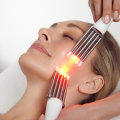
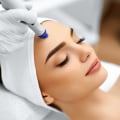
Medical aesthetics is a branch of medicine that focuses on enhancing a person's appearance through non-surgical procedures. This field encompasses a variety of treatments designed to improve aesthetic concerns, ranging from skin rejuvenation to body contouring. Common procedures include Botox injections, dermal fillers, chemical peels, and laser treatments. These interventions are typically performed by licensed professionals and aim to provide noticeable results with minimal downtime. The benefits of medical aesthetics are numerous.
Many individuals seek these treatments to boost their self-esteem and confidence, as they can effectively address issues such as wrinkles, fine lines, and uneven skin tone. Additionally, medical aesthetics can offer a more youthful appearance without the need for invasive surgical options. The procedures are often tailored to meet the unique needs of each patient, allowing for personalized care that enhances natural beauty. Understanding medical aesthetics is crucial for anyone considering these options. It not only helps in making informed decisions but also sets the stage for exploring alternative methods for improving one's appearance.
As we delve deeper into this topic, we will examine various alternatives that can complement or serve as substitutes for medical aesthetic treatments, providing a broader perspective on achieving aesthetic goals.
Natural Remedies for Skin Improvement
For those seeking to enhance their appearance without resorting to medical aesthetics, natural remedies for skin improvement offer a plethora of options. These remedies often utilize ingredients that are readily available at home or in nature, making them both accessible and cost-effective.One popular approach is the use of herbal treatments. Herbs like chamomile and calendula are known for their soothing properties and can be used in various forms:- Chamomile tea: Brew chamomile tea, let it cool, and use it as a facial rinse to reduce redness and inflammation.
- Calendula oil: Apply calendula-infused oil to dry or irritated skin to promote healing and hydration.
Some beneficial essential oils for skin improvement include:
- Tea tree oil: Known for its antibacterial properties, it can help combat acne when applied sparingly.
- Lavender oil: This oil not only has a calming scent but also promotes skin regeneration and can soothe minor burns or irritations.
- Aloe Vera and Honey Mask: Mix equal parts of fresh aloe vera gel and honey. Apply to the face for 20 minutes before rinsing off. This mask hydrates and soothes the skin.
- Oatmeal and Yogurt Mask: Combine 2 tablespoons of oatmeal with 1 tablespoon of yogurt.
Apply this mixture to exfoliate and moisturize the skin effectively.
Lifestyle Changes That Enhance Appearance
When considering alternatives to medical aesthetics, lifestyle changes can play a pivotal role in enhancing one’s appearance. By focusing on diet, exercise, and overall lifestyle choices, individuals can achieve a more radiant look that reflects their inner health.Diet for Skin Health
A well-balanced diet is fundamental for maintaining healthy skin. Incorporating a variety of fruits and vegetables rich in antioxidants can help combat free radicals, which contribute to skin aging.Foods high in omega-3 fatty acids, such as salmon and walnuts, promote skin elasticity and hydration. Additionally, staying hydrated by drinking plenty of water is essential for flushing out toxins and keeping the skin plump.
Exercise for Appearance
Regular exercise not only improves physical fitness but also enhances appearance by promoting better circulation. Increased blood flow delivers essential nutrients to the skin, giving it a healthy glow. Activities like yoga and pilates can improve posture and flexibility, contributing to a more confident demeanor.Moreover, exercise releases endorphins, which can reduce stress and improve overall mood, further enhancing one’s appearance.
Overall Lifestyle Choices
Beyond diet and exercise, other lifestyle choices significantly impact appearance. Prioritizing sufficient sleep is crucial; during sleep, the body repairs itself, leading to improved skin tone and reduced dark circles. Additionally, managing stress through mindfulness practices or hobbies can prevent stress-related skin issues such as acne or eczema.Incorporating these holistic approaches into daily life not only enhances physical appearance but also promotes overall well-being. By making conscious choices about diet, exercise, and lifestyle habits, individuals can achieve a natural beauty that radiates from within.Cosmetic Procedures with Fewer Risks
For those looking to enhance their appearance without the potential risks associated with traditional medical aesthetics, there are several non-invasive cosmetic procedures that can provide effective results.These alternatives often come with fewer side effects and shorter recovery times, making them appealing options for many individuals.
- Chemical Peels: This treatment involves applying a solution to the skin that exfoliates and eventually peels off, revealing smoother, rejuvenated skin underneath. Chemical peels can help reduce fine lines, sun damage, and acne scars.
- Microdermabrasion: A minimally invasive procedure that uses tiny crystals to exfoliate the skin's surface. It can improve skin texture and tone, making it a popular choice for those seeking a brighter complexion.
- Laser Treatments: Various laser technologies can target specific skin concerns such as pigmentation, redness, or wrinkles. These treatments are generally safe and can be tailored to individual needs.
- Microneedling: This technique involves using fine needles to create micro-injuries in the skin, stimulating collagen production.
It is effective for improving skin texture and reducing the appearance of scars.
- Facial Fillers Alternatives: Instead of traditional fillers, consider using natural alternatives like hyaluronic acid serums or plant-based products that hydrate and plump the skin without injections.
The Role of Mental Health in Appearance Perception
The connection between mental health and one’s perception of appearance is profound and often overlooked. Many individuals struggle with their self-image, influenced by societal beauty standards that can lead to feelings of inadequacy.This section explores how mental well-being plays a crucial role in shaping our views on beauty and self-acceptance.
Understanding Self-Esteem and Appearance
Self-esteem is a critical factor in how we perceive our own appearance. When individuals have a healthy self-esteem, they are more likely to appreciate their unique features and feel confident in their skin. Conversely, low self-esteem can distort one’s perception, leading to negative body image and dissatisfaction with appearance.Research indicates that those who engage in positive self-talk and practice self-compassion are better equipped to combat negative thoughts about their looks. This highlights the importance of fostering a supportive internal dialogue as a means to enhance self-acceptance.
The Psychological Effects of Beauty Standards
Societal beauty standards can exert significant pressure on individuals, often resulting in anxiety and depression.
The constant exposure to idealized images through social media and advertising can create unrealistic expectations about how one should look. This can lead to a cycle of comparison, where individuals feel they do not measure up, further impacting their mental health.
- Promoting Body Positivity: Embracing body positivity movements can help counteract the negative effects of these standards by encouraging individuals to celebrate diversity in beauty.
- Seeking Professional Help: For those struggling with severe body image issues, consulting with a mental health professional can provide valuable strategies for improving self-esteem and addressing underlying psychological concerns.
- Mindfulness Practices: Engaging in mindfulness practices such as meditation or yoga can enhance self-awareness and promote a healthier relationship with one’s body.
Innovative Technologies in Beauty Enhancement
As the beauty industry evolves, innovative technologies are emerging as viable alternatives to traditional medical aesthetics. These advancements not only enhance appearance but also prioritize safety and convenience.One of the most exciting developments is the rise of at-home skincare devices.These gadgets utilize technologies such as microcurrent, LED light therapy, and ultrasonic waves to stimulate collagen production and improve skin texture. For instance, microcurrent devices can help lift and tone facial muscles, providing a non-invasive facelift effect.Another noteworthy innovation is the use of biotechnology in skincare. Brands are now harnessing the power of plant stem cells and peptides to create products that promote cellular regeneration and repair. These ingredients can significantly improve skin elasticity and reduce signs of aging without the need for invasive procedures.
- 3D Skin Printing: This cutting-edge technology allows for the creation of personalized skin grafts that can treat various skin conditions while enhancing overall appearance.
- Augmented Reality (AR) in Beauty: AR applications enable users to virtually try on makeup or skincare products, helping them make informed choices before purchasing.
- Wearable Tech: Devices that monitor skin health in real-time can provide insights into hydration levels and UV exposure, allowing for tailored skincare routines.
AI algorithms analyze individual skin types and conditions to recommend personalized regimens, ensuring optimal results without the need for professional consultations.In conclusion, these innovative beauty treatments offer exciting alternatives to traditional medical aesthetics. By embracing technology, individuals can enhance their appearance safely and effectively, paving the way for a new era in beauty enhancement.
Frequently Asked Questions About Alternatives to Medical Aesthetics
As more individuals seek ways to enhance their appearance without resorting to medical aesthetics, several common questions arise. Below are some frequently asked questions regarding alternatives to medical aesthetics.What are some popular non-medical aesthetic treatments?
- Skincare routines: A consistent skincare regimen can significantly improve skin texture and appearance. This includes cleansing, exfoliating, moisturizing, and using sunscreen.
- Makeup techniques: Utilizing makeup can enhance features and create a polished look.
Techniques such as contouring and highlighting can dramatically change one’s appearance.
- Natural remedies: Ingredients like honey, aloe vera, and coconut oil are often used for their nourishing properties and can improve skin health.
- Diet and hydration: A balanced diet rich in vitamins and minerals, along with adequate water intake, can lead to healthier skin and overall appearance.
Are there any risks associated with non-medical aesthetic treatments?
While non-medical treatments are generally considered safer than medical aesthetics, they are not without risks. For example:- Allergic reactions: Natural ingredients can still cause allergic reactions in some individuals.
- Ineffective results: Some treatments may not yield the desired results, leading to frustration.
- Skin irritation: Overuse of certain products or techniques can lead to skin irritation or breakouts.
How do I choose the right alternative treatment for me?
Selecting the right alternative treatment involves considering your specific needs and preferences. Here are some tips:- Assess your skin type: Understanding whether you have oily, dry, or sensitive skin can guide your product choices.
- Research options: Look into various treatments and read reviews to find what has worked for others.
- Consult professionals: Speaking with a skincare expert or beauty consultant can provide personalized recommendations.
Conclusion: Embracing Your Unique Beauty Journey
In conclusion, the journey to enhancing one’s appearance is deeply personal and multifaceted. While medical aesthetics offer a range of procedures that can help individuals achieve their desired look, it is essential to recognize that there are numerous alternative options available that can also promote confidence and well-being. Throughout this article, we explored various non-invasive methods such as:- Skincare Regimens: Investing in a tailored skincare routine can significantly improve skin texture and appearance over time.
- Healthy Lifestyle Choices: Regular exercise, a balanced diet, and adequate hydration play crucial roles in enhancing natural beauty.
- Makeup Techniques: Learning effective makeup application can help individuals highlight their best features and express their unique style.
- Mindfulness and Self-Care: Practices such as meditation and self-care routines can boost self-esteem and promote a positive body image.
Embracing your unique qualities and understanding that everyone has their own beauty journey can lead to greater self-acceptance. Whether you choose to explore medical aesthetics or opt for alternative methods, the key is to find what resonates with you personally. Ultimately, the most fulfilling path is one that aligns with your values and enhances your sense of self. As you consider your options, take the time to reflect on what makes you feel beautiful from within. Your journey towards embracing your unique beauty should be empowering and fulfilling, regardless of the choices you make.