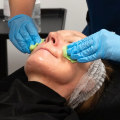
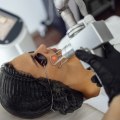
In recent years, medical aesthetics has emerged as a transformative field that combines art and science to enhance physical appearance and boost self-confidence. This area encompasses a variety of non-surgical treatments designed to improve skin texture, reduce signs of aging, and address various cosmetic concerns. From Botox injections to dermal fillers, the options available are vast and cater to a wide range of aesthetic goals. As more individuals seek ways to maintain their youthful appearance, the popularity of medical aesthetics continues to grow. The appeal of medical aesthetics treatments lies not only in their effectiveness but also in their minimally invasive nature.
Unlike traditional surgical procedures, many of these treatments require little to no downtime, allowing patients to return to their daily activities almost immediately. This convenience, combined with the ability to achieve significant results without the need for extensive recovery, makes medical aesthetics an attractive option for many. Moreover, the benefits of medical aesthetics extend beyond mere physical enhancement. Many patients report increased self-esteem and improved mental well-being following their treatments. The psychological impact of looking one’s best can be profound, leading to greater confidence in both personal and professional settings.
As this field continues to evolve, understanding the various financing options available for these treatments becomes essential for those considering investing in their appearance.
The Importance of Financing in Medical Aesthetics
In the realm of medical aesthetics, the cost of treatments can often be a significant barrier for many individuals. As procedures such as Botox, dermal fillers, and laser treatments gain popularity, understanding the importance of financing becomes crucial for patients seeking to enhance their appearance without compromising their financial stability.Why Financing Matters
- Accessibility: Financing options make aesthetic treatments more accessible to a broader audience. Many people may desire these services but feel deterred by the upfront costs. By offering flexible payment plans, clinics can cater to a wider demographic.
- Budget Management: Financing allows patients to manage their budgets more effectively.
Instead of paying a lump sum, individuals can spread the cost over time, making it easier to fit these expenses into their monthly financial plans.
- Informed Decisions: When financing is available, patients are more likely to pursue the treatments they truly want rather than settling for less effective options due to cost constraints. This leads to higher satisfaction and better outcomes.
As the industry continues to grow, understanding and utilizing these financing solutions will be essential for both patients and providers alike.
Common Financing Options Available
When considering medical aesthetics treatments, understanding the available financing options can significantly ease the financial burden. Many patients are surprised to learn that there are several avenues to explore when it comes to funding their aesthetic procedures.- Payment Plans: Many clinics offer in-house payment plans that allow patients to spread the cost of their treatments over several months. This option often requires a down payment, followed by monthly installments, making it easier for patients to manage their budgets.
- Credit Cards: Using a credit card is a common method for financing medical aesthetics. Patients can use their existing credit cards or apply for a new one specifically for medical expenses.
Some credit cards even offer promotional periods with 0% interest, which can be beneficial for managing costs.
- Medical Financing Companies: Specialized financing companies, such as CareCredit and Prosper Healthcare Lending, provide loans specifically for medical and aesthetic procedures. These companies often have flexible terms and competitive interest rates, allowing patients to choose a plan that fits their financial situation.
- Health Savings Accounts (HSAs) and Flexible Spending Accounts (FSAs): If you have an HSA or FSA, you can use these funds to pay for qualified medical aesthetics treatments. This option allows you to use pre-tax dollars, effectively reducing the overall cost of your procedures.
By exploring these financing options, patients can make informed decisions that align with their financial capabilities while still achieving their aesthetic goals.
Medical Aesthetics Financing Plans Explained
When considering medical aesthetics financing plans, it’s essential to understand the various options available to patients. Many clinics and providers offer tailored financing solutions to make aesthetic treatments more accessible. Here’s a closer look at how these plans work and what you should consider before committing.1.Payment Plans
: Most clinics provide flexible payment plans that allow patients to spread the cost of their treatments over several months. These plans typically require a down payment, followed by monthly installments.The duration and amount of each installment can vary based on the total cost of the procedure and the clinic's policies.
2.Third-Party Financing
: Some providers partner with third-party financing companies, such as CareCredit or Prosper Healthcare Lending. These companies specialize in healthcare financing and offer patients credit options specifically for medical aesthetics. Patients can apply for credit online, and upon approval, they can use the funds for their treatments.3.Interest Rates and Terms
: It’s crucial to review the interest rates associated with any financing plan. Some clinics may offer interest-free periods, while others might charge interest from the start.Always read the fine print to understand the total cost of financing, including any hidden fees.
4.Eligibility Requirements
: Before applying for a financing plan, check if there are any eligibility requirements. Some plans may require a credit check or have minimum income thresholds. Understanding these criteria can help you prepare better and avoid surprises during the application process.5.Consider Your Budget
: Before choosing a financing option, assess your financial situation. Determine how much you can comfortably afford to pay each month without straining your budget.This will help you select a plan that aligns with your financial goals. In summary, medical aesthetics financing plans can provide valuable assistance in managing the costs of aesthetic treatments. By understanding how these plans work and considering your financial situation, you can make informed decisions that enhance your aesthetic journey.
Pros and Cons of Financing Medical Aesthetics Treatments
When considering financing options for medical aesthetics treatments, it’s essential to weigh the pros and cons. Understanding these factors can help you make an informed decision that aligns with your financial situation and aesthetic goals.Pros of Financing Medical Aesthetics Treatments
- Accessibility: Financing makes treatments more accessible to a broader audience. Many individuals may not have the upfront cash to pay for procedures like Botox, fillers, or laser treatments.
Financing allows them to receive the care they desire without immediate financial strain.
- Flexible Payment Plans: Many clinics offer flexible payment plans that can be tailored to fit your budget. This flexibility can ease the burden of large expenses by spreading payments over time.
- Improved Cash Flow: By financing, you can maintain your cash flow for other essential expenses while still investing in your appearance and self-esteem.
Cons of Financing Medical Aesthetics Treatments
- Interest Rates: Depending on the financing option, you may incur interest charges that can significantly increase the total cost of treatment. It’s crucial to understand the terms before committing.
- Debt Accumulation: Financing can lead to accumulating debt, which may become a financial burden if not managed properly. It’s important to assess whether you can comfortably make monthly payments without compromising your financial stability.
- Potential for Overextending: The ease of financing might tempt individuals to opt for more treatments than they can afford, leading to regret and financial strain in the long run.
It’s vital to carefully evaluate your financial situation and consider both the benefits and drawbacks before proceeding with any financing option.
Frequently Asked Questions about Financing in Medical Aesthetics
When considering medical aesthetics treatments, many potential patients have questions about financing options. Understanding these options can help alleviate concerns about affordability and make aesthetic procedures more accessible.What financing options are available for medical aesthetics?
Many clinics offer a variety of financing plans to help patients manage the costs of their treatments. Common options include:- Payment Plans: Many providers allow patients to pay for their treatments in installments, making it easier to budget for the costs over time.
- Medical Credit Cards: Specialized credit cards designed for healthcare expenses can be a viable option. These cards often come with promotional financing offers, such as no interest if paid in full within a certain period.
- Personal Loans: Some patients opt for personal loans from banks or credit unions, which can provide the necessary funds upfront and allow for flexible repayment terms.
- In-House Financing: Certain medical aesthetics practices may offer in-house financing solutions tailored to their services, which can simplify the process.
Are there any hidden costs associated with financing?
It’s essential to read the fine print when considering financing options.Some plans may have hidden fees or high-interest rates that could increase the overall cost of treatment. Always ask about:
- Interest Rates: Understand the interest rates associated with any financing option.
- Fees: Inquire about any application fees or penalties for late payments.
- Total Cost: Calculate the total amount you will pay over time, including interest and fees.
How can I determine what I can afford?
Before committing to any treatment, assess your financial situation. Consider creating a budget that includes:- Your monthly income and expenses
- The cost of the desired treatment
- The potential monthly payment based on your chosen financing option
Conclusion: Making Informed Choices in Medical Aesthetics Financing
In conclusion, navigating the world of medical aesthetics financing is crucial for anyone considering treatments in this rapidly evolving field. Understanding the various financing options available can empower patients to make informed decisions that align with their financial situations and aesthetic goals.Throughout this article, we explored several key financing avenues:- Payment Plans: Many clinics offer flexible payment plans that allow patients to spread the cost of treatments over time, making it more manageable.
- Medical Credit Cards: Specialized credit cards designed for healthcare expenses can provide a convenient way to finance treatments, often with promotional interest rates.
- Personal Loans: For those seeking larger sums, personal loans can be an option, though it’s essential to consider interest rates and repayment terms.
- Insurance Coverage: While many aesthetic procedures are considered elective and not covered by insurance, some treatments may qualify under specific circumstances, so it’s worth checking with your provider.
Patients should also be aware of any hidden fees associated with financing options. By doing thorough research and asking the right questions, individuals can avoid unexpected financial burdens.Ultimately, making informed choices in medical aesthetics financing not only enhances the treatment experience but also contributes to overall satisfaction with the results. As you consider your options, remember that investing in your appearance is a personal journey that should be approached with both excitement and caution.