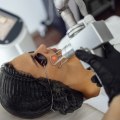
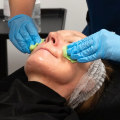
In recent years, medical aesthetics has emerged as a transformative field that combines art and science to enhance physical appearance and boost self-confidence. This area of medicine focuses on non-surgical procedures designed to improve aesthetic concerns, ranging from skin rejuvenation to body contouring. Understanding what medical aesthetics entails is essential for anyone considering these treatments, as it encompasses a variety of techniques and technologies aimed at achieving natural-looking results. The primary goal of medical aesthetics is to help individuals feel more comfortable in their own skin. By addressing issues such as wrinkles, fine lines, uneven skin tone, and volume loss, practitioners can create personalized treatment plans that cater to each patient's unique needs.
The benefits of medical aesthetics extend beyond mere appearance; they can also enhance emotional well-being by fostering a positive self-image. Many patients report increased confidence and satisfaction with their appearance after undergoing treatments. As you delve deeper into the world of medical aesthetics, you'll discover a range of options available, including injectables like Botox and dermal fillers, laser therapies, and skin resurfacing techniques. Each treatment is designed to target specific concerns while ensuring minimal downtime and discomfort. With advancements in technology and techniques, the field continues to evolve, offering innovative solutions that are both effective and safe.
Understanding these fundamentals will prepare you for a consultation and help you make informed decisions about your aesthetic journey.
Preparing for Your Consultation
Preparing for your consultation in medical aesthetics is crucial for ensuring a productive and informative experience. Here are some key steps to help you get ready:- Gather Your Medical History: Bring a list of any medications you are currently taking, including over-the-counter drugs and supplements. This information is vital for your practitioner to assess any potential risks or interactions.
- Document Your Skin Concerns: Make notes about specific areas of concern, such as wrinkles, acne scars, or pigmentation issues. This will help you communicate your goals clearly during the consultation.
- Prepare Questions: Think about what you want to know regarding the procedures you are considering.
Here are some questions to consider asking:
- What are the expected results of the treatment?
- What are the potential risks and side effects?
- How long will the results last?
- What is the recovery time?
- Can you show me before-and-after photos of previous patients?
What to Bring:
- Your identification and insurance information, if applicable.
- A list of any allergies, especially to medications or topical products.
- A notebook or device to take notes during the consultation.
What Happens During the Consultation?
During a medical aesthetics consultation, you can expect a structured process designed to address your concerns and outline potential treatment options. Here’s a breakdown of the typical steps involved:- Initial Assessment: The consultation usually begins with a thorough assessment of your medical history and aesthetic goals. This is crucial for understanding your unique needs and any underlying health conditions that may affect treatment.
- Discussion of Concerns: You will have the opportunity to discuss specific areas of concern, whether it’s wrinkles, volume loss, or skin texture.
Be open about your expectations and any previous treatments you may have undergone.
- Physical Examination: The practitioner will conduct a physical examination of the areas you wish to treat. This helps in determining the most suitable procedures tailored to your skin type and condition.
- Treatment Options: After assessing your needs, the practitioner will present various treatment options available in medical aesthetics. This may include injectables like Botox or fillers, laser treatments, or skin rejuvenation techniques. Each option will be explained in detail, including benefits, risks, and expected outcomes.
- Personalized Plan: Based on the discussion and examination, a personalized treatment plan will be developed.
This plan should align with your goals and budget while considering any necessary follow-up appointments.
- Q&A Session: Finally, there will be time for you to ask questions. This is an essential part of the consultation as it allows you to clarify any doubts and feel more comfortable with the proposed treatments.
Common Treatments Discussed in Consultations
During a consultation for medical aesthetics, you can expect to discuss a variety of common treatments that cater to your specific needs and goals. Understanding these options can help you make informed decisions about your aesthetic journey.- Botox and Dysport: These are popular neuromodulators used to reduce the appearance of fine lines and wrinkles.
They work by temporarily relaxing the muscles that cause these facial creases, providing a smoother, more youthful appearance.
- Dermal Fillers: Fillers such as hyaluronic acid are used to restore volume, enhance facial contours, and reduce the appearance of deep lines. Common areas for treatment include the cheeks, lips, and nasolabial folds.
- Chemical Peels: This treatment involves applying a chemical solution to exfoliate the skin, improving texture and tone. It can address issues like acne scars, sun damage, and uneven pigmentation.
- Laser Treatments: Various laser technologies are available for skin resurfacing, hair removal, and treating vascular lesions. These treatments can significantly improve skin quality and appearance.
- Microneedling: This procedure uses tiny needles to create micro-injuries in the skin, stimulating collagen production.
It is effective for reducing scars, fine lines, and improving overall skin texture.
Post-Consultation: Next Steps and Follow-Up
After your consultation for medical aesthetics, you will have a clearer understanding of the recommended treatments and the expected outcomes. Here’s what to expect in terms of next steps and follow-up care:Scheduling Treatments
If you decide to proceed with the recommended treatments, the next step is to schedule your appointments.Most clinics offer flexible scheduling options to accommodate your needs. During this process, consider the following:
- Availability: Check the clinic's calendar for available dates and times that work for you.
- Preparation: Some treatments may require specific preparations, such as avoiding certain medications or skincare products prior to your appointment.
- Payment Options: Discuss payment plans or financing options if necessary, as some procedures can be costly.
Follow-Up Care
Post-treatment follow-up is crucial for ensuring optimal results and addressing any concerns that may arise. Here are some common aspects of follow-up care:- Check-In Appointments: Depending on the treatment, you may need to schedule follow-up visits to monitor your progress and make any necessary adjustments.
- Aftercare Instructions: Your provider will give you specific aftercare instructions tailored to your treatment. This may include guidelines on skincare, activity restrictions, and signs of complications to watch for.
- Long-Term Care: Discuss long-term maintenance options with your provider.
Some treatments may require periodic touch-ups or additional sessions to maintain results.
Frequently Asked Questions About Medical Aesthetics Consultations
When considering a consultation for medical aesthetics, it's natural to have questions and concerns. Here are some frequently asked questions that can help you prepare for your visit:- What should I bring to my consultation? It's advisable to bring any relevant medical history, a list of medications you are currently taking, and any previous treatment records. Additionally, having a clear idea of your aesthetic goals can facilitate a more productive discussion.
- How long will the consultation last? Typically, a consultation lasts between 30 to 60 minutes.
This time allows for a thorough discussion of your concerns, treatment options, and any questions you may have.
- Will I receive a treatment during the consultation? In most cases, the initial consultation is focused on assessment and planning. However, if both you and the practitioner agree on a treatment plan and it’s appropriate, some procedures may be performed on the same day.
- What if I have specific concerns about a procedure? It’s important to voice any concerns during your consultation. A qualified practitioner will address your worries and provide detailed information about the procedure, including risks and expected outcomes.
- How do I know if the practitioner is qualified? Always check the credentials of your practitioner. Look for board certification in dermatology or plastic surgery, as well as experience in medical aesthetics.
Don't hesitate to ask about their training and experience with specific treatments.
Conclusion: Embracing Your Journey in Medical Aesthetics
As you conclude your exploration of medical aesthetics, it’s essential to reflect on the journey you are about to embark on. Understanding what to expect during a consultation can significantly enhance your experience and outcomes. Here are some key takeaways to keep in mind:- Preparation is Key: Arriving at your consultation well-prepared can make a world of difference.
Bring any relevant medical history, a list of medications, and a clear idea of your aesthetic goals.
- Open Communication: Your consultation is a two-way street. Be honest about your expectations and concerns, and don’t hesitate to ask questions. This dialogue will help your practitioner tailor their recommendations to suit your needs.
- Realistic Expectations: While advancements in medical aesthetics can yield impressive results, it’s crucial to maintain realistic expectations. Understanding the limitations and potential outcomes will help you feel more satisfied with your decisions.
- Follow-Up Care: Discuss the importance of follow-up appointments and aftercare with your practitioner.
This ongoing support is vital for achieving the best results and addressing any concerns that may arise post-treatment.