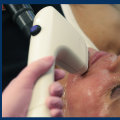
In recent years, medical aesthetics has emerged as a transformative field that combines art and science to enhance physical appearance and boost self-confidence. This discipline encompasses a variety of non-surgical procedures aimed at improving skin quality, reducing signs of aging, and addressing various skin concerns. Among the innovative technologies employed in medical aesthetics, laser therapy stands out as a powerful tool that offers remarkable results for patients seeking effective skin treatments.Laser therapy utilizes focused light energy to target specific skin issues, making it a versatile option for a range of aesthetic goals. From reducing wrinkles and fine lines to treating acne scars and pigmentation, the precision of laser technology allows practitioners to customize treatments based on individual needs.
As beauty technology continues to evolve, laser therapy has become increasingly popular due to its minimal downtime and impressive outcomes.This introduction sets the stage for a deeper exploration of how laser therapy works within the realm of medical aesthetics. By understanding the mechanisms behind this advanced treatment, patients can make informed decisions about their skincare options and embrace the potential benefits that laser therapy can offer. Whether you are looking to rejuvenate your skin or address specific concerns, the integration of laser technology in medical aesthetics provides exciting possibilities for achieving your beauty goals.
What is Laser Therapy?
Laser therapy is a non-invasive medical treatment that utilizes focused light energy to stimulate various biological processes in the skin and underlying tissues. This innovative technology has gained significant traction in the field of medical aesthetics, offering solutions for a range of cosmetic concerns, from skin rejuvenation to hair removal.Types of Laser Therapy
- Fractional Laser Therapy: This type involves delivering laser energy in a fractional manner, targeting only a fraction of the skin at a time.
It promotes faster healing and reduces downtime.
- Ablative Lasers: These lasers remove the outer layers of skin, making them effective for treating deeper wrinkles, scars, and sun damage.
- Non-Ablative Lasers: Unlike ablative lasers, non-ablative options work beneath the skin's surface without damaging the outer layer. They are ideal for tightening skin and improving texture.
- Pulsed Dye Lasers: These are specifically designed to treat vascular lesions and pigmentation issues by targeting blood vessels and melanin.
- Nd:YAG Lasers: Commonly used for hair removal and tattoo removal, these lasers penetrate deeper into the skin.
How Laser Therapy Works
The fundamental principle behind laser therapy lies in the interaction between light energy and tissue. When the laser light is directed at the skin, it is absorbed by specific chromophores—molecules that absorb light—such as melanin or hemoglobin. This absorption leads to a series of reactions:- Thermal Effect: The absorbed energy generates heat, which can destroy targeted cells or stimulate collagen production, depending on the type of laser used.
- Cellular Response: The heat generated triggers a natural healing response in the body, promoting new cell growth and improving skin texture.
- Precision Treatment: The focused nature of laser therapy allows for precise targeting of problem areas without affecting surrounding tissues.
Understanding its types and mechanisms can help individuals make informed decisions about their aesthetic treatments.
The Science Behind Laser Therapy
Laser therapy in medical aesthetics operates on the principle of selective photothermolysis, where specific wavelengths of light are absorbed by targeted tissues. This process is crucial for achieving desired aesthetic outcomes while minimizing damage to surrounding areas.Understanding Laser Technology
Lasers emit light at specific wavelengths, which can penetrate the skin to varying depths. Different types of lasers, such as ablative and non-ablative, utilize these wavelengths to treat various skin conditions. Ablative lasers, like CO2 and Er:YAG, remove the outer layers of skin, promoting new skin growth.In contrast, non-ablative lasers, such as Nd:YAG and diode lasers, work beneath the skin's surface to stimulate collagen production without damaging the outer layer.
Light Wavelengths and Skin Interaction
The interaction between laser light and skin is determined by the chromophores present in the skin, such as melanin, hemoglobin, and water. For instance:- Melanin: Absorbs light effectively in treatments for pigmentation issues.
- Hemoglobin: Targets vascular lesions by absorbing specific wavelengths to reduce redness.
- Water: Plays a significant role in ablative procedures where moisture content is crucial for effective tissue removal.
- Tissue Regeneration: Stimulating collagen and elastin production for improved skin texture.
- Reduction of Inflammation: Helping to calm conditions like acne or rosacea.
- Pigmentation Correction: Targeting melanin deposits for a more even skin tone.
Applications of Laser Therapy in Medical Aesthetics
Laser therapy has revolutionized the field of medical aesthetics, offering a range of applications that cater to various skin concerns and cosmetic goals. This non-invasive technology utilizes focused light energy to target specific skin issues, promoting healing and rejuvenation.Skin Rejuvenation
One of the most popular applications of laser therapy is in skin rejuvenation.This treatment helps to improve skin texture, tone, and overall appearance by stimulating collagen production. Laser treatments can effectively reduce the appearance of fine lines, wrinkles, and age spots, making the skin look more youthful and vibrant. Techniques such as fractional laser resurfacing allow for precise targeting of problem areas while minimizing damage to surrounding tissues.
Hair Removal
Laser hair removal is another widely sought-after application in medical aesthetics. This method uses concentrated beams of light to target hair follicles, effectively inhibiting future hair growth.Unlike traditional methods such as shaving or waxing, laser hair removal offers a long-term solution with minimal discomfort. Patients often experience a significant reduction in hair regrowth after a series of treatments, making it a convenient option for those seeking smooth skin.
Acne Treatment
For individuals struggling with acne, laser therapy presents an effective treatment option. Certain lasers can target the bacteria that cause acne while also reducing inflammation and promoting healing of existing scars.Acne treatment
with lasers not only helps clear current breakouts but can also improve the overall texture and appearance of the skin over time.In summary, the applications of laser therapy in medical aesthetics are diverse and impactful.From enhancing skin rejuvenation to providing effective solutions for hair removal and acne treatment, this technology continues to evolve, offering patients safe and effective options for achieving their aesthetic goals.
Benefits of Laser Therapy in Aesthetic Treatments
Laser therapy has revolutionized the field of medical aesthetics, offering numerous benefits that set it apart from traditional methods. One of the most significant advantages is its non-invasive nature. Unlike surgical procedures, laser treatments typically require little to no downtime, allowing patients to resume their daily activities almost immediately.Another key benefit is the precision of laser technology. Lasers can target specific areas of the skin without affecting surrounding tissues, which minimizes damage and promotes faster healing.This precision makes laser therapy particularly effective for a variety of aesthetic concerns, including:
- Skin rejuvenation: Lasers can stimulate collagen production, improving skin texture and reducing fine lines.
- Scar treatment: Laser therapy can effectively reduce the appearance of scars from acne or surgery.
- Hair removal: Laser hair removal offers a long-term solution compared to traditional shaving or waxing methods.
- Tattoo removal: Advanced laser technology can break down tattoo ink particles, allowing for effective removal.
This level of personalization enhances patient satisfaction and outcomes.Overall, the benefits of laser therapy in aesthetic treatments are clear. Its non-invasive approach, precision, reduced side effects, and customization options make it a preferred choice for many seeking to enhance their appearance without the risks associated with traditional surgical methods.
Potential Risks and Side Effects of Laser Therapy
While laser therapy in medical aesthetics offers numerous benefits, it is essential to be aware of the potential risks and side effects associated with these treatments. Understanding these factors can help patients make informed decisions and prepare adequately for their procedures.Common Risks and Side Effects
- Skin Irritation: Redness, swelling, and discomfort are common immediately following treatment. These symptoms typically subside within a few hours to a few days.
- Hyperpigmentation: Some patients may experience darkening of the skin in treated areas, particularly those with darker skin tones.
This condition can be temporary or, in rare cases, permanent.
- Hypopigmentation: Conversely, some individuals may notice lighter patches on their skin post-treatment, which can also be long-lasting.
- Scarring: Although rare, improper technique or aftercare can lead to scarring. It is crucial to follow all post-treatment instructions provided by the practitioner.
- Infection: Any procedure that disrupts the skin barrier carries a risk of infection. Ensuring that the treatment is performed in a sterile environment minimizes this risk.
Safety Precautions
To mitigate these risks, patients should consider the following safety precautions:- Select a Qualified Practitioner: Always choose a licensed and experienced professional who specializes in laser therapy for medical aesthetics.
- Consultation: Schedule a thorough consultation to discuss your medical history, skin type, and any concerns you may have regarding the procedure.
- Follow Pre- and Post-Care Instructions: Adhering to guidelines provided by your practitioner can significantly reduce the likelihood of adverse effects.
- Avoid Sun Exposure: Protecting your skin from sun exposure before and after treatment is crucial to prevent complications such as hyperpigmentation.
What to Expect During a Laser Therapy Session
When considering laser therapy in the realm of medical aesthetics, understanding what to expect during a session can significantly enhance the patient experience. Here’s a breakdown of the typical process.Preparation for Your Session
Before your appointment, it’s essential to follow any pre-treatment instructions provided by your practitioner.This may include:
- Avoiding sun exposure for a few weeks prior to treatment.
- Refraining from using certain skincare products, particularly those containing retinoids or acids.
- Discussing any medications you are taking that might affect your skin's sensitivity.
The Laser Therapy Procedure
During the session, you will typically experience the following:- Consultation: Your practitioner will review your medical history and discuss your aesthetic goals.
- Skin Preparation: The treatment area will be cleansed, and a topical anesthetic may be applied to minimize discomfort.
- The Laser Application: The practitioner will use a handheld device to deliver laser energy to the targeted areas. You may feel a sensation similar to a rubber band snapping against your skin.
- Post-Treatment Care: After the procedure, your skin may appear red or swollen, similar to a mild sunburn. This is normal and should subside within a few hours.
Aftercare Tips
Proper aftercare is crucial for optimal results and recovery. Here are some tips to follow:- Avoid direct sunlight and apply sunscreen with at least SPF 30 on treated areas.
- Keep the area clean and moisturized as recommended by your practitioner.
- Avoid strenuous exercise and hot baths for a few days post-treatment to minimize irritation.
- If you experience any unusual symptoms, such as excessive swelling or pain, contact your provider immediately.
Frequently Asked Questions About Laser Therapy in Medical Aesthetics
Laser therapy in medical aesthetics can raise several questions for potential patients.Here are some of the most frequently asked questions to help clarify any concerns you may have.
- What types of laser treatments are available? There are various types of laser treatments, including ablative lasers, which remove the outer layer of skin, and non-ablative lasers, which penetrate deeper without damaging the surface. Each type targets different skin issues such as wrinkles, scars, and pigmentation.
- Is laser therapy safe? Yes, when performed by a qualified professional, laser therapy is generally considered safe. However, it is essential to discuss your medical history and any skin conditions with your practitioner to ensure the best outcomes.
- How long does a laser treatment session take? Treatment times can vary depending on the area being treated and the specific procedure. Most sessions typically last between 30 minutes to an hour.
- What should I expect during recovery? Recovery times depend on the type of laser used.
Ablative treatments may require a few days of downtime, while non-ablative treatments often have minimal recovery time. You may experience redness or swelling, which usually subsides within a few days.
- Are there any side effects? Common side effects include temporary redness, swelling, or discomfort in the treated area. Serious side effects are rare but can include scarring or changes in skin pigmentation.
- How many sessions will I need? The number of sessions required varies based on individual goals and the specific treatment. Many patients see results after just one session, but multiple treatments may be recommended for optimal results.
Conclusion: The Future of Laser Therapy in Medical Aesthetics
In summary, laser therapy has emerged as a transformative tool in the field of medical aesthetics, offering a range of benefits from skin rejuvenation to hair removal.Throughout this article, we have explored the various types of laser treatments available, their mechanisms of action, and the conditions they effectively address. As technology continues to advance, the potential applications of laser therapy are expanding, promising even more innovative solutions for aesthetic concerns.Looking ahead, several trends are shaping the future of laser therapy in medical aesthetics:
- Personalization: As patient preferences evolve, there is a growing emphasis on personalized treatment plans. Future advancements may allow for tailored laser settings based on individual skin types and conditions, enhancing efficacy and minimizing side effects.
- Combination Therapies: The integration of laser therapy with other aesthetic treatments, such as injectables and skincare regimens, is likely to become more common. This holistic approach can lead to synergistic effects, providing patients with comprehensive solutions for their aesthetic goals.
- Non-Invasive Options: The demand for non-invasive procedures continues to rise.
Innovations in laser technology are expected to yield less invasive options that require minimal downtime while still delivering impressive results.
- Accessibility: As laser technology becomes more affordable and user-friendly, access to these treatments is likely to increase. This democratization of aesthetic procedures may lead to a broader acceptance and normalization of laser therapies in everyday beauty routines.