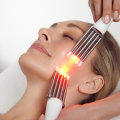
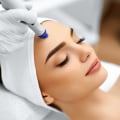
In recent years, medical aesthetics has emerged as a prominent field that combines the principles of medicine and beauty to enhance physical appearance. This area encompasses a variety of non-surgical procedures, including injectables like Botox and dermal fillers, laser treatments, and skin rejuvenation techniques. As more individuals seek to improve their aesthetic appeal, understanding what medical aesthetics truly entails becomes essential. However, with its growing popularity comes a plethora of misconceptions that can cloud judgment and lead to misinformation. Many people mistakenly believe that medical aesthetics is solely about vanity or superficial enhancement.
In reality, these procedures often serve a dual purpose: not only do they aim to improve appearance, but they can also boost self-esteem and overall well-being. For instance, treatments that address skin conditions such as acne scars or sun damage can significantly enhance a person's quality of life. Furthermore, the field is grounded in medical science, with practitioners trained to ensure safety and efficacy. As we delve deeper into the world of medical aesthetics, it is crucial to dispel these common myths and provide clarity on what patients can expect. By addressing misconceptions head-on, we can foster a more informed dialogue about the benefits and realities of these innovative treatments.
Understanding the true nature of medical aesthetics not only empowers individuals to make educated decisions but also helps demystify this evolving field.
Misconception 1: Medical Aesthetics is Only for the Wealthy
One of the most prevalent misconceptions about medical aesthetics is that these treatments are exclusively for the wealthy. While it’s true that some procedures can be expensive, the landscape of medical aesthetics is evolving, making it more accessible to a wider audience.Many people assume that only celebrities or affluent individuals can afford treatments like Botox, dermal fillers, or laser skin resurfacing. However, the reality is that there are various options available at different price points. For instance, many clinics offer affordable packages or financing plans that allow patients to spread out the cost over time.Understanding the Cost of Medical Aesthetics
The cost of medical aesthetics can vary significantly based on several factors:- Type of Treatment: Some procedures are more complex and require specialized skills, which can drive up costs.
- Location: Prices may differ based on geographic location; urban centers often have higher rates compared to smaller towns.
- Provider Experience: Highly experienced practitioners may charge more for their expertise.
For example, basic skin care treatments or injectables can be found at reasonable rates, making them accessible to a broader demographic.
Who Can Benefit from Medical Aesthetics?
The notion that only the wealthy can benefit from medical aesthetics overlooks the diverse range of individuals who seek these services. People of all backgrounds and income levels can find value in enhancing their appearance or addressing specific skin concerns. Whether it’s a young professional looking to boost their confidence or an older adult seeking to rejuvenate their skin, medical aesthetics offers something for everyone.In conclusion, while some medical aesthetic treatments may come with a hefty price tag, there are numerous affordable options available. By dispelling the myth that these services are only for the wealthy, we can encourage more individuals to explore the benefits of medical aesthetics and find solutions that fit their budget.Misconception 2: All Treatments are Painful and Invasive
One of the most prevalent misconceptions about medical aesthetics is the belief that all treatments are both painful and invasive.This myth can deter many individuals from seeking out beneficial procedures that could enhance their appearance and boost their confidence. In reality, the landscape of medical aesthetics is diverse, offering a range of options that cater to varying comfort levels and desired outcomes. Many treatments are designed to be non-invasive, meaning they do not require any surgical intervention. For instance, procedures such as Botox, dermal fillers, and chemical peels are typically quick, with minimal discomfort involved.
Understanding Pain Levels
The pain level associated with medical aesthetic treatments can vary significantly. While some individuals may experience slight discomfort during injections, many practitioners use advanced techniques and tools to minimize pain.For example:
- Topical anesthetics are often applied before procedures to numb the area.
- Some injectables come with built-in numbing agents to enhance comfort.
- Practitioners may use ice packs or cooling devices to soothe the skin before and after treatment.
Non-Invasive Options
Many non-invasive procedures offer significant results without the need for recovery time or extensive discomfort. Some popular options include:- Laser treatments: These can address skin issues like pigmentation and wrinkles with minimal pain.
- Microneedling: While it involves tiny needles, most patients report only mild discomfort, often alleviated by numbing creams.
- Aquagold: This innovative treatment delivers customized serums into the skin with virtually no pain.
Misconception 3: Results are Instant and Permanent
One of the most prevalent misconceptions about medical aesthetics is the belief that results are both instant and permanent.While many treatments can yield impressive outcomes, understanding the results timeline and their longevity is crucial for setting realistic expectations.For instance, procedures like Botox or dermal fillers may show immediate effects, but the full results often take a few days to manifest as the product settles into the skin. Typically, clients can expect to see optimal results within one to two weeks. On the other hand, treatments such as laser resurfacing or chemical peels may require a longer recovery period, with visible improvements unfolding over several weeks as the skin heals and regenerates.When it comes to how long results last, this varies significantly based on the type of treatment and individual factors such as skin type and lifestyle. For example:
- Botox: Results generally last between three to six months.
- Dermal Fillers: Depending on the type used, effects can last from six months to two years.
- Chemical Peels: Results can be seen for several months, but maintenance treatments are often recommended.
- Laser Treatments: The longevity of results can vary widely; some may last for years with proper skincare.
This conversation should cover not only the anticipated results but also the necessary follow-up treatments to maintain those results over time. By understanding that while some effects may be immediate, others require patience and ongoing care, clients can make informed decisions that align with their aesthetic goals.In summary, while medical aesthetics can provide transformative results, they are not always instant or permanent. A clear understanding of what to expect can enhance satisfaction and lead to better outcomes in the long run.
Misconception 4: Medical Aesthetics is Only for Women
One of the most pervasive misconceptions about medical aesthetics is that these treatments are solely for women. This stereotype not only undermines the diverse clientele that seeks aesthetic services but also perpetuates outdated gender norms.In recent years, there has been a significant shift in the demographics of those pursuing medical aesthetics, with an increasing number of men recognizing the benefits of these treatments.
The Rise of Men in Medical Aesthetics
- Growing Acceptance: As societal norms evolve, more men are feeling empowered to invest in their appearance. Treatments such as Botox, dermal fillers, and laser hair removal are no longer viewed as exclusively feminine pursuits.
- Focus on Self-Care: The modern man is increasingly prioritizing self-care and grooming, leading to a greater acceptance of aesthetic procedures as part of a holistic approach to personal wellness.
- Targeted Treatments: Many medical aesthetic clinics now offer services specifically tailored to men, addressing unique concerns such as beard shaping, male-pattern baldness, and skin rejuvenation.
Breaking Down Gender Stereotypes
The notion that medical aesthetics is only for women is rooted in traditional gender stereotypes that dictate how individuals should care for their appearance. However, these stereotypes are increasingly being challenged. Men are becoming more vocal about their desire to enhance their looks and boost their confidence through aesthetic treatments.
Who Uses Medical Aesthetics Treatments?
The clientele for medical aesthetics is diverse and includes individuals from various backgrounds and genders.
According to recent studies, approximately 30% of aesthetic treatment recipients are men, a figure that continues to rise. This trend indicates a growing acceptance and normalization of aesthetic procedures among men.In conclusion, the idea that medical aesthetics is exclusively for women is not only inaccurate but also limiting. As more men embrace these services, it becomes clear that aesthetic treatments can benefit anyone looking to enhance their appearance and self-esteem, regardless of gender.
Misconception 5: Medical Aesthetics is Just About Vanity
One of the most pervasive misconceptions about medical aesthetics is that it is solely focused on enhancing physical appearance, often dismissed as a pursuit of vanity. However, this perspective overlooks the profound psychological benefits that aesthetic treatments can provide. Many individuals seek medical aesthetics not just to look better, but to feel better about themselves.The connection between appearance and self-esteem is well-documented; when people feel confident in their looks, it can lead to significant improvements in their overall mental health. Here are some key benefits that extend beyond mere vanity:
- Boosted Self-Esteem: Aesthetic treatments can help individuals overcome insecurities related to their appearance, leading to enhanced self-worth and confidence.
- Improved Mental Health: Many patients report a decrease in anxiety and depression following aesthetic procedures, as they feel more aligned with their self-image.
- Social Confidence: Enhanced appearance can lead to increased social interactions and opportunities, fostering a sense of belonging and acceptance.
By addressing these deeper issues, we can appreciate the full spectrum of benefits that aesthetic treatments offer, moving beyond the superficial narrative often associated with them.
Frequently Asked Questions About Medical Aesthetics
When it comes to medical aesthetics, many individuals have questions and concerns that stem from common misconceptions. Here are some frequently asked questions that can help clarify these misunderstandings:- Are aesthetic treatments only for women? No, aesthetic treatments are for everyone. Men are increasingly seeking procedures like Botox and dermal fillers to enhance their appearance and address signs of aging.
- Do aesthetic procedures require a lot of downtime? Many aesthetic treatments are minimally invasive and require little to no downtime. Procedures such as chemical peels or laser treatments often allow patients to return to their daily activities almost immediately.
- Are all aesthetic procedures painful? While some discomfort may be associated with certain treatments, most procedures are designed to be as comfortable as possible.
Many clinics offer numbing agents or sedation options to minimize pain.
- Will I look unnatural after treatment? A skilled practitioner will tailor treatments to your individual needs, ensuring a natural look. The goal of medical aesthetics is to enhance your features, not change them.
- Are results from aesthetic treatments permanent? Most non-surgical aesthetic treatments provide temporary results. For instance, Botox typically lasts three to six months, while fillers can last from six months to two years, depending on the product used.
Conclusion: Embracing a New Understanding of Medical Aesthetics
In conclusion, understanding medical aesthetics is crucial for anyone considering these treatments. Throughout this article, we have debunked several common misconceptions that often cloud public perception.By clarifying these myths, we can foster a more informed dialogue about the benefits and realities of medical aesthetic procedures.One of the most significant takeaways is that medical aesthetics is not solely about vanity; it encompasses a range of treatments aimed at enhancing both physical appearance and emotional well-being. Many individuals seek these services not just for aesthetic reasons but also to boost their confidence and self-esteem.Moreover, it is essential to recognize that medical aesthetics is a field grounded in science and safety. Treatments are performed by qualified professionals who prioritize patient care and adhere to strict medical standards. This understanding helps dispel the notion that these procedures are frivolous or dangerous.As we embrace a new understanding of medical aesthetics, it becomes clear that education and awareness are key.
By seeking information from reputable sources and consulting with licensed practitioners, individuals can make informed decisions that align with their personal goals.Ultimately, the journey into medical aesthetics should be approached with an open mind and realistic expectations. By shedding light on the truths behind these treatments, we empower ourselves to embrace the possibilities they offer while maintaining a grounded perspective.