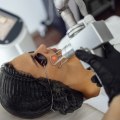
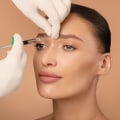
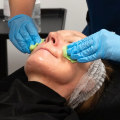
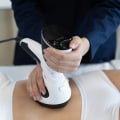
In recent years, medical aesthetics has emerged as a transformative field that combines art and science to enhance physical appearance. This branch of medicine focuses on non-surgical procedures designed to improve aesthetic appeal, offering individuals a chance to rejuvenate their looks without the need for invasive surgeries. As societal standards of beauty evolve, the relevance of medical aesthetics continues to grow, making it an increasingly popular choice for those seeking to boost their confidence and self-image. At its core, medical aesthetics encompasses a variety of treatments, including injectables like Botox and dermal fillers, laser therapies, and skin rejuvenation techniques. These procedures are tailored to address specific concerns such as wrinkles, fine lines, uneven skin tone, and volume loss.
The benefits of medical aesthetics extend beyond mere appearance; they can significantly enhance one’s emotional well-being by fostering a positive self-image and improving overall quality of life. As we delve deeper into the world of medical aesthetics, it becomes clear that these treatments are not just about looking good—they are about feeling good too. By understanding how these innovative procedures work and their potential to improve one’s appearance, individuals can make informed decisions that align with their personal beauty goals. Whether you’re considering a subtle enhancement or a more noticeable transformation, the journey into medical aesthetics offers exciting possibilities for self-improvement.
The Science Behind Medical Aesthetics
Medical aesthetics is a field that combines art and science to enhance physical appearance through various non-surgical and minimally invasive treatments. Understanding the science of medical aesthetics is crucial for appreciating how these procedures work to improve one’s look.At the core of many aesthetic treatments is the principle of collagen stimulation.Collagen is a protein that provides structure and elasticity to the skin. As we age, collagen production decreases, leading to wrinkles and sagging skin. Treatments such as microneedling and laser therapy work by creating controlled micro-injuries in the skin, prompting the body’s natural healing response to produce more collagen.
Injectable treatments
, like dermal fillers and Botox, also rely on scientific principles. Dermal fillers are made from substances like hyaluronic acid, which naturally occurs in the body and helps retain moisture.When injected, these fillers add volume to areas that have lost fullness, such as cheeks or lips. On the other hand, Botox works by temporarily blocking nerve signals to muscles, reducing their ability to contract and thereby smoothing out wrinkles.The effectiveness of these treatments is often enhanced by understanding skin biology. For instance, knowing how different skin types react to various products can help practitioners tailor treatments for optimal results. Additionally, advancements in technology have led to more precise delivery methods for these treatments, ensuring that they target specific areas without affecting surrounding tissues.In summary, the science behind medical aesthetics involves a deep understanding of human anatomy, skin physiology, and innovative technologies.
By leveraging this knowledge, practitioners can offer treatments that not only enhance appearance but also promote overall skin health.
Popular Medical Aesthetic Treatments
Medical aesthetics encompasses a variety of cosmetic procedures designed to enhance one’s appearance through non-surgical means. Among the most popular treatments are injectables, laser therapies, and skin rejuvenation techniques.- Injectables: These are among the most sought-after treatments in medical aesthetics. They include:
- Botulinum Toxin (Botox): Used to reduce the appearance of fine lines and wrinkles by temporarily paralyzing muscles.
- Dermal Fillers: These add volume to areas such as lips and cheeks, helping to restore youthful contours.
- Laser Treatments: Laser technology has revolutionized skin care, offering solutions for various skin concerns:
- Laser Hair Removal: A long-term solution for unwanted hair, providing smoother skin without the hassle of shaving or waxing.
- Laser Skin Resurfacing: This treatment improves skin texture and tone by removing damaged outer layers, promoting collagen production.
- Skin Rejuvenation Techniques: These methods focus on revitalizing the skin’s appearance:
- Chemical Peels: By applying a chemical solution, these peels exfoliate the skin, reducing blemishes and improving overall texture.
- Microneedling: This technique involves tiny needles creating micro-injuries in the skin, stimulating collagen production for a firmer appearance.
Benefits of Medical Aesthetics for Appearance Enhancement
Medical aesthetics offers a range of treatments designed to enhance physical appearance, leading to significant improvements in both skin quality and overall self-esteem.By addressing various skin concerns, these procedures can help individuals achieve a more youthful and vibrant look.
Improved Skin Appearance
- Wrinkle Reduction: Treatments such as Botox and dermal fillers effectively reduce the appearance of fine lines and wrinkles, providing a smoother complexion.
- Skin Tightening: Procedures like laser therapy and radiofrequency treatments stimulate collagen production, resulting in firmer, tighter skin.
- Even Skin Tone: Chemical peels and microdermabrasion can help diminish hyperpigmentation, sun damage, and acne scars, leading to a more uniform skin tone.
- Self-Image Improvement: Aesthetic enhancements can lead to a more positive self-image, allowing individuals to embrace their unique beauty.
- Social Confidence: With improved appearance, many find themselves more willing to engage in social situations, leading to new opportunities both personally and professionally.
Safety and Considerations in Medical Aesthetics
When considering medical aesthetics, safety should be a top priority.While many procedures are minimally invasive and can yield impressive results, it is crucial to understand the potential risks involved.
Risks of Aesthetic Treatments
- Common side effects may include swelling, bruising, and redness at the injection site.
- More serious complications, although rare, can occur, such as allergic reactions or infections.
- Inadequate technique or unapproved substances can lead to unsatisfactory results or even permanent damage.
- Credentials: Ensure that the practitioner is licensed and has specialized training in medical aesthetics.
- Experience: Look for someone with a proven track record in performing the specific procedure you are interested in.
- Consultation: Schedule a consultation to discuss your goals, ask questions about the procedure, and understand the potential risks and benefits.
Frequently Asked Questions about Medical Aesthetics
As interest in medical aesthetics continues to grow, many individuals have questions about the various treatments available and their potential benefits.Here are some frequently asked questions that can help clarify common concerns.
- What is medical aesthetics? Medical aesthetics refers to a range of non-surgical procedures designed to enhance an individual's appearance. These treatments can include injectables like Botox and dermal fillers, laser therapies, and skin rejuvenation techniques.
- Are aesthetic treatments safe? Most medical aesthetic procedures are considered safe when performed by qualified professionals. However, it is essential to consult with a licensed practitioner who can assess your individual needs and medical history.
- How long do the results last? The longevity of results varies depending on the treatment. For example, Botox typically lasts 3-6 months, while dermal fillers can last from 6 months to 2 years.
Regular maintenance treatments can help prolong the effects.
- Will I look unnatural after treatment? A common concern is the fear of looking "overdone." When performed by skilled practitioners, medical aesthetics aims for natural-looking results that enhance your features rather than alter them drastically.
- What should I expect during recovery? Recovery times vary by procedure. Some treatments may require little to no downtime, while others might involve swelling or bruising that can last a few days. Your provider will give you specific aftercare instructions to ensure optimal healing.
Conclusion: The Transformative Power of Medical Aesthetics
In conclusion, medical aesthetics offers a remarkable opportunity for individuals seeking to enhance their appearance and boost their self-confidence. Throughout this article, we have explored various treatments and procedures that fall under the umbrella of medical aesthetics, including botox, dermal fillers, chemical peels, and laser therapies.Each of these options provides unique benefits tailored to individual needs.One of the most significant advantages of medical aesthetics is its ability to address specific concerns such as fine lines, wrinkles, uneven skin tone, and volume loss. By utilizing advanced techniques and technologies, practitioners can achieve natural-looking results that enhance one’s features without the need for invasive surgery.
- Personalized Treatments: Medical aesthetics allows for customized treatment plans that cater to the unique needs of each patient.
- Minimally Invasive Options: Many procedures are non-surgical and require little to no downtime, making them accessible for busy lifestyles.
- Long-Lasting Results: With proper care and maintenance, the results from medical aesthetic treatments can be long-lasting, providing ongoing satisfaction.
Ultimately, investing in medical aesthetics is an investment in self-love and acceptance.