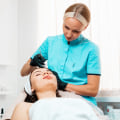
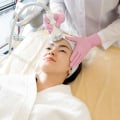
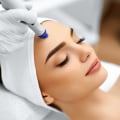
Medical aesthetics is a rapidly evolving field that combines the principles of medicine and beauty to enhance an individual's appearance through non-surgical procedures. Unlike traditional cosmetic surgery, which often involves invasive techniques, medical aesthetics focuses on minimally invasive treatments that can provide significant results with less downtime. This area of medicine encompasses a variety of procedures, including injectables like Botox and dermal fillers, laser treatments for skin rejuvenation, and chemical peels to improve skin texture and tone.The types of medical aesthetic treatments available are diverse, catering to various skin concerns and aesthetic goals. For instance, individuals seeking to reduce the appearance of fine lines may opt for Botox, while those looking to restore volume in their cheeks might choose dermal fillers.
Additionally, laser therapies can address issues such as pigmentation, acne scars, and overall skin laxity. Each treatment is designed to enhance natural beauty while ensuring safety and efficacy.The benefits of medical aesthetics extend beyond mere appearance enhancement. Many patients report increased self-esteem and confidence following treatments, as they feel more aligned with their personal image. Furthermore, these procedures often require minimal recovery time, allowing individuals to return to their daily routines quickly.
Understanding the fundamentals of medical aesthetics is essential for anyone considering these treatments, especially when evaluating their suitability during pregnancy or breastfeeding.
Safety Considerations for Pregnant Women
When it comes to medical aesthetics during pregnancy, safety is the foremost concern for both the mother and the developing fetus. Many aesthetic treatments involve procedures that may not be suitable for pregnant women due to potential risks.Risks of Treatments During Pregnancy
- Hormonal Changes: Pregnancy induces significant hormonal fluctuations that can affect skin sensitivity and healing processes, making some treatments less effective or more painful.
- Medication Safety: Many aesthetic procedures require the use of medications, such as anesthetics or topical agents, which may not have been tested for safety during pregnancy.
- Infection Risks: Procedures that break the skin barrier can increase the risk of infections, which can pose serious health risks to both mother and baby.
Safe Procedures for Pregnant Women
While many aesthetic treatments are discouraged during pregnancy, some options may be considered safer:
- Facials: Gentle facials that do not involve harsh chemicals or invasive techniques can be a relaxing option.
- Massage Therapy: Prenatal massage can help alleviate discomfort and improve circulation, provided it is performed by a qualified therapist.
- Skin Care Products: Non-invasive skin care routines using pregnancy-safe products can help maintain skin health without the risks associated with more invasive treatments.
Safety Considerations for Breastfeeding Women
When considering medical aesthetic treatments during breastfeeding, it is crucial to prioritize the safety of both the mother and her child. While many procedures are generally safe, there are specific factors that need to be taken into account.Potential Risks of Treatments During Breastfeeding
- Medication Transfer: Some treatments may involve medications that can be transferred through breast milk, potentially affecting the infant.
- Skin Reactions: Hormonal changes during breastfeeding can lead to increased skin sensitivity, which may heighten the risk of adverse reactions to certain procedures.
- Infection Risk: Any procedure that breaks the skin carries a risk of infection, which can be more concerning for breastfeeding mothers.
Guidelines for Safe Practices
- Consultation with Healthcare Providers: Always discuss your plans with a qualified healthcare provider who understands both your aesthetic goals and the implications of breastfeeding.
- Timing of Treatments: If possible, schedule treatments during times when breastfeeding is less frequent or consider waiting until after weaning.
- Choosing Safe Procedures: Non-invasive treatments such as facials or certain types of laser therapy may be safer options compared to injectables or surgeries.
Prioritizing safety and consulting with professionals can help ensure that both mother and child remain healthy throughout the process.
Consultation with Healthcare Professionals
Before considering any medical aesthetic treatments during pregnancy or while breastfeeding, it is crucial to consult with a qualified healthcare professional. This step is essential not only for your safety but also for the well-being of your baby. Medical aesthetics can involve various procedures, some of which may not be suitable during these sensitive periods.Importance of Professional Advice
Healthcare professionals can provide personalized advice based on your medical history, current health status, and specific needs. They can help you understand the potential risks and benefits associated with different treatments.
Additionally, they can recommend alternatives that are safer for pregnant or breastfeeding women.
Questions to Ask Your Doctor
- What are the potential risks of this treatment during pregnancy or breastfeeding?
- Are there any ingredients in the products used that could affect my baby?
- What are the expected outcomes, and how long will they last?
- Are there safer alternatives that I can consider?
- How will this treatment affect my body during and after pregnancy?
Alternatives to Medical Aesthetic Treatments
For pregnant and breastfeeding women, the desire to maintain a radiant appearance can be met through non-invasive beauty treatments and natural skincare routines. These alternatives not only prioritize safety but also promote overall well-being during this transformative period.Non-Invasive Beauty Treatments
- Facials: Gentle facials using organic and pregnancy-safe products can help rejuvenate the skin without the use of harsh chemicals.
- Massage Therapy: Prenatal massage can alleviate discomfort while enhancing circulation and promoting relaxation.
- Acupuncture: This ancient practice can help with various pregnancy-related issues, including stress and nausea, while also promoting a healthy glow.
Natural Skincare During Breastfeeding
When breastfeeding, it’s essential to choose products that are free from harmful chemicals. Here are some safe options:- Coconut Oil: A versatile moisturizer that hydrates the skin and can also be used for baby’s skin.
- Aloe Vera: Known for its soothing properties, aloe vera gel can help with skin irritations and sunburns.
- Shea Butter: This natural emollient is excellent for keeping skin soft and supple, especially during the dry months.
Safe Beauty Alternatives
In addition to skincare, consider these safe beauty alternatives:- Mineral Makeup: Opt for mineral-based cosmetics that are free from synthetic dyes and fragrances.
- Nail Care: Choose non-toxic nail polishes and removers to avoid exposure to harmful chemicals.
- Hair Treatments: Natural hair masks made from ingredients like avocado or honey can nourish hair without the risks associated with chemical treatments.
FAQs About Medical Aesthetics for Pregnant and Breastfeeding Women
When it comes to medical aesthetics during pregnancy and breastfeeding, many women have questions about safety and efficacy.Here are some common queries:
Can Pregnant Women Get Botox?
The use of Botox during pregnancy is generally not recommended. While there is limited research on the effects of Botox on pregnant women, the potential risks to the developing fetus are a significant concern. Most practitioners advise waiting until after childbirth to undergo any Botox treatments.Is Laser Treatment Safe While Breastfeeding?
Laser treatments, such as hair removal or skin resurfacing, are often considered safe for breastfeeding women. However, it is crucial to consult with a qualified practitioner who can assess your individual situation.Some laser treatments may cause temporary skin changes that could affect breastfeeding, so discussing your options is essential.
What to Avoid During Pregnancy Aesthetics
- Injectables: Avoid all types of injectables, including fillers and Botox.
- Chemical Peels: Strong chemical peels can pose risks and should be avoided.
- Microdermabrasion: While generally safe, it’s best to consult with a dermatologist.
- Laser Treatments: Some lasers may not be suitable; always check with your provider.
Conclusion: Making Informed Choices in Medical Aesthetics
In conclusion, the decision for pregnant or breastfeeding women to undergo medical aesthetic treatments is a complex one that requires careful consideration. Throughout this article, we have explored the various factors that influence the safety and efficacy of these procedures during such critical periods.It is essential to recognize that while some treatments may be deemed safe, others can pose risks to both the mother and the child. Therefore, consulting with a qualified healthcare provider is paramount.They can provide personalized advice based on individual health conditions and treatment goals.
- Safety First: Always prioritize safety by discussing potential risks and benefits with your medical professional.
- Research Treatments: Not all aesthetic procedures are created equal; some may have more established safety profiles than others.
- Timing Matters: Consider postponing non-essential treatments until after pregnancy or breastfeeding to minimize any potential risks.