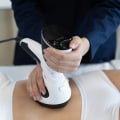
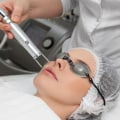
In recent years, medical aesthetics has emerged as a popular field that combines the art of beauty with the science of medicine. This discipline focuses on enhancing an individual's appearance through various non-surgical procedures, which can range from injectables like Botox and dermal fillers to advanced skin treatments such as chemical peels and laser therapy. The primary goal of medical aesthetics is to improve aesthetic appeal, restore youthful vitality, and boost self-confidence.One of the key benefits of medical aesthetics treatments is their ability to provide noticeable results with minimal downtime. Unlike traditional surgical options, many of these procedures can be performed in a short office visit, allowing individuals to return to their daily activities almost immediately.
Additionally, advancements in technology have made these treatments safer and more effective than ever before, catering to a wide array of skin types and concerns.However, as with any medical procedure, it is crucial to consider how existing medications may interact with these aesthetic treatments. Certain medications can affect the skin's healing process or increase the risk of complications. Therefore, understanding the implications of undergoing medical aesthetics while on medication is essential for ensuring both safety and optimal results. This exploration into the world of medical aesthetics sets the stage for a deeper discussion on how to navigate these treatments responsibly while managing your health.
The Importance of Disclosing Medications
When considering medical aesthetic treatments, one of the most critical steps is to disclose your medication history to your aesthetician or healthcare provider.This transparency is essential for several reasons.Understanding Interactions Many medications can interact with the substances used in aesthetic procedures, potentially leading to adverse effects. For instance, blood thinners can increase the risk of bruising and bleeding during treatments like dermal fillers or Botox injections. By informing your provider about all medications you are taking, they can tailor the treatment plan to minimize risks.Assessing Health Conditions Your medication history often reflects underlying health conditions that may affect your suitability for certain treatments. For example, individuals on immunosuppressants may have a higher risk of infection, which could complicate recovery from procedures like laser treatments or chemical peels.
A thorough understanding of your health status allows your provider to make informed decisions about what treatments are safe for you.Personalized Treatment Plans Disclosing medications enables your aesthetician to create a personalized treatment plan. This plan can take into account not only the medications you are on but also how they might affect your skin's response to various procedures. For example, if you are using topical retinoids, your provider may recommend a gentler approach to avoid irritation.Building Trust and Safety Open communication fosters a trusting relationship between you and your aesthetician. When you feel comfortable sharing your complete medical history, it enhances the safety and effectiveness of the treatment.
Remember, your aesthetician is there to help you achieve your aesthetic goals while ensuring your health and safety are prioritized. In summary, disclosing your medication history is not just a formality; it is a vital part of ensuring that you receive safe and effective medical aesthetic treatments. Always be honest and thorough when discussing your medications with your provider.
Common Medications and Their Effects on Aesthetic Treatments
When considering medical aesthetic treatments, it is crucial to understand how certain medications can impact both the safety and effectiveness of these procedures. Below are some common medications and their potential interactions with aesthetic treatments.- Blood Thinners: Medications such as warfarin, aspirin, and clopidogrel are commonly prescribed to prevent blood clots. These can increase the risk of bleeding and bruising during and after procedures like dermal fillers or Botox injections.
It is essential to discuss with your healthcare provider whether you should pause these medications before your treatment.
- Antibiotics: Certain antibiotics, particularly those in the tetracycline family, can affect skin healing and may increase sensitivity to light. If you are on antibiotics, consult your aesthetic practitioner to determine the best timing for your treatment.
- Retinoids: Medications like tretinoin or isotretinoin are often used for acne treatment. These can make your skin more sensitive and prone to irritation, which may complicate procedures such as chemical peels or laser treatments. A waiting period after discontinuing retinoids is often recommended.
- Hormonal Medications: Birth control pills and hormone replacement therapies can influence skin conditions and healing processes.
Discussing these with your practitioner can help tailor the treatment plan to your specific needs.
Consultation: What to Expect
When considering medical aesthetic treatments, the consultation process is a crucial first step. This is your opportunity to discuss your goals, medical history, and any medications you are currently taking. Understanding what to expect during this consultation can help you feel more prepared and confident.What to Expect in Your Consultation
- Initial Assessment: The practitioner will begin by assessing your skin type, concerns, and desired outcomes.
This may involve a thorough examination of the areas you wish to treat.
- Medical History Review: You will be asked about your medical history, including any medications you are currently taking. This is vital as certain medications can affect treatment options and outcomes.
- Discussion of Treatment Options: Based on your assessment and medical history, the practitioner will discuss suitable treatment options tailored to your needs.
- Risks and Benefits: The practitioner should explain the potential risks and benefits associated with each treatment option, allowing you to make an informed decision.
Questions to Ask During Your Consultation
- How will my current medications affect the treatment? It’s essential to understand how your medications may interact with the procedures you are considering.
- What are the expected results? Ask for realistic expectations regarding the outcomes of the treatment based on your specific situation.
- What are the potential side effects? Knowing what side effects to expect can help you prepare mentally and physically for the treatment.
- What is the recovery process like? Understanding the recovery timeline can help you plan accordingly, especially if you have commitments that may be affected.
Safety Precautions for Patients on Medication
When considering medical aesthetic treatments while on medication, it is crucial to prioritize safety. Here are some essential precautions to take:- Consult Your Healthcare Provider: Before undergoing any aesthetic procedure, discuss your current medications with your healthcare provider.
They can provide insights into potential interactions and advise on the safety of specific treatments.
- Disclose All Medications: Be transparent about all medications you are taking, including over-the-counter drugs, supplements, and herbal remedies. This information is vital for your practitioner to assess risks accurately.
- Understand Medication Effects: Some medications can affect your skin's sensitivity or healing process. For instance, blood thinners may increase the risk of bruising during procedures like fillers or Botox.
- Timing Matters: If possible, schedule your aesthetic treatments at a time when you can temporarily pause certain medications, under the guidance of your healthcare provider. This can help minimize risks associated with the procedure.
- Choose Safe Procedures: Certain aesthetic treatments are generally considered safer for patients on medication.
For example, non-invasive procedures like chemical peels or microdermabrasion may pose fewer risks compared to more invasive options.
FAQs About Medical Aesthetics and Medications
When considering medical aesthetic treatments while on medication, it's essential to understand how different treatments may interact with your current prescriptions. Below are some frequently asked questions that can help clarify these concerns.Can I get Botox while on medication?
Botox is generally safe for most patients, even those on medication. However, certain medications, particularly blood thinners or muscle relaxants, may increase the risk of bruising or complications.Always consult with your healthcare provider to ensure that your specific medications do not pose any risks.
Are fillers safe to use while on medication?
Similar to Botox, dermal fillers can be administered to patients on various medications. However, medications that affect blood clotting or skin healing may lead to increased swelling or bruising post-treatment. It’s crucial to disclose all medications you are taking during your consultation.What about laser treatments and medications?
Laser treatments can also be performed while on medication, but caution is advised. Some medications can make your skin more sensitive or prone to adverse reactions.For instance, antibiotics and certain acne medications can increase photosensitivity, which may complicate laser procedures. Always inform your practitioner about any medications you are taking.In summary, while many medical aesthetic treatments can be safely performed alongside various medications, it is vital to have an open dialogue with your healthcare provider. They can provide personalized advice based on your medical history and current treatment plan.
Conclusion: Making Informed Decisions About Aesthetic Treatments
In conclusion, navigating the world of medical aesthetics while on medication requires careful consideration and open communication with your healthcare provider. As we have discussed, various medications can interact with aesthetic treatments, potentially affecting both the safety and efficacy of the procedures.It is crucial to understand that:- Transparency is key: Always disclose your full medical history and current medications to your aesthetic practitioner.
This includes prescription drugs, over-the-counter medications, and supplements.
- Consultation is essential: A thorough consultation can help identify any potential risks associated with your medications and the desired aesthetic treatments.
- Individualized treatment plans: Each patient’s situation is unique. Your provider may recommend alternative treatments or adjust dosages to ensure safety.
- Monitoring and follow-up: After receiving treatment, it’s important to monitor any side effects or reactions, especially if you are on medication. Regular follow-ups can help address any concerns promptly.