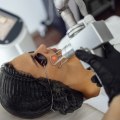
In recent years, medical aesthetics has emerged as a transformative field that blends art and science to enhance physical appearance. This growing sector encompasses a variety of aesthetic treatments, ranging from non-invasive procedures like Botox and dermal fillers to more complex interventions such as laser therapy and surgical enhancements. As societal standards of beauty evolve, so too does the demand for these treatments, making it essential to understand not only their benefits but also the associated costs. The allure of medical aesthetics lies in its ability to provide individuals with options to rejuvenate their appearance and boost self-confidence. With advancements in technology and techniques, these treatments have become more accessible than ever.
However, potential clients often find themselves grappling with questions about the financial implications of these services. Understanding the cost of medical aesthetics is crucial for anyone considering these procedures, as prices can vary significantly based on factors such as location, provider expertise, and the specific treatment chosen. As we delve deeper into this topic, we will explore the various factors that influence the pricing of aesthetic treatments, helping you make informed decisions about your options. Whether you are contemplating a subtle enhancement or a more dramatic change, being equipped with knowledge about the costs involved will empower you to navigate the world of medical aesthetics with confidence.
Overview of Medical Aesthetic Treatments
Medical aesthetics encompasses a wide range of non-surgical treatments designed to enhance appearance and boost confidence. Understanding the various types of medical aesthetic treatments available can help individuals make informed decisions regarding their beauty and wellness goals.- Botox: One of the most popular treatments, Botox is used to temporarily reduce the appearance of fine lines and wrinkles by relaxing facial muscles.
The cost typically ranges from $300 to $600 per treatment, depending on the area being treated.
- Dermal Fillers: These injectable treatments add volume to areas such as lips, cheeks, and under the eyes. Prices vary based on the type of filler used, with costs generally between $500 and $1,500 per syringe.
- Laser Treatments: Laser therapies can address various skin concerns, including pigmentation, acne scars, and hair removal. The price for laser treatments can range from $200 to $3,000, depending on the type of procedure and the number of sessions required.
- Chemical Peels: This treatment involves applying a chemical solution to exfoliate the skin, improving texture and tone. Costs typically range from $150 to $600 per session.
- Microneedling: A procedure that stimulates collagen production by creating tiny punctures in the skin.
Prices usually fall between $100 and $700 per session.
Factors Influencing the Cost of Treatments
Understanding the cost of medical aesthetic treatments requires a closer look at several key factors that can significantly influence pricing. Here are the primary elements to consider:- Geographic Location: The cost of treatments can vary widely depending on where you live. Urban areas with a higher cost of living typically charge more for aesthetic services compared to rural locations.
For instance, a Botox treatment in New York City may be priced higher than in a smaller town.
- Provider Expertise: The qualifications and experience of the practitioner play a crucial role in determining treatment costs. Highly trained and experienced providers often charge more due to their expertise and reputation. Patients may be willing to pay a premium for the assurance of safety and quality.
- Treatment Complexity: The intricacy of the procedure also affects pricing. Simple treatments like chemical peels may be less expensive than more complex procedures such as laser skin resurfacing or surgical interventions.
The time and resources required for each treatment contribute to the overall cost.
- Product Quality: The type and quality of products used during treatments can impact prices significantly. High-quality, FDA-approved products may come at a higher cost, but they often yield better results and fewer side effects, making them a worthwhile investment.
Average Costs of Popular Medical Aesthetic Treatments
Understanding the average costs of popular medical aesthetic treatments is crucial for anyone considering these procedures. Here’s a breakdown of some common treatments and their typical price ranges:- Botox: The average cost of Botox ranges from $300 to $600 per treatment session.
Prices can vary based on the number of units used, which typically ranges from 20 to 60 units for a single session.
- Dermal Fillers: The cost for dermal fillers can vary significantly depending on the type and brand used. On average, patients can expect to pay between $600 and $1,200 per syringe. Popular fillers like Juvederm and Restylane often fall within this range.
- Chemical Peels: A chemical peel can cost anywhere from $150 to $3,000, depending on the depth of the peel. Superficial peels are generally less expensive, while deeper peels that require more recovery time will be on the higher end of the spectrum.
- Laser Hair Removal: The price for laser hair removal varies based on the area being treated.
For example, small areas like the upper lip may cost around $100 to $200 per session, while larger areas like the back or legs can range from $300 to $800.
Insurance and Financing Options for Medical Aesthetics
When considering medical aesthetic treatments, understanding the financial aspects is crucial. Many potential patients wonder whether their health insurance will cover these procedures. Generally, most insurance plans do not cover aesthetic treatments that are considered elective or cosmetic in nature.This includes popular procedures such as Botox injections, dermal fillers, and laser hair removal. However, if a treatment is deemed medically necessary—such as for severe acne scarring or reconstructive surgery following an accident—there may be some coverage available. It’s essential to check with your specific insurance provider to clarify what is included in your plan.For those who find that insurance does not cover their desired treatments, there are several financing options available to help manage costs:
- Payment Plans: Many clinics offer in-house financing or payment plans that allow patients to spread the cost of treatments over several months.
- Medical Credit Cards: Specialized credit cards for medical expenses can be a viable option, often with promotional periods of no interest.
- Personal Loans: Some patients opt for personal loans from banks or credit unions to finance their aesthetic procedures.
- CareCredit: This is a popular healthcare credit card that can be used for various medical and aesthetic treatments, offering flexible payment options.
Safety and Regulation in Medical Aesthetics
When considering medical aesthetic treatments, understanding the safety and regulations surrounding these procedures is crucial.The landscape of medical aesthetics is evolving rapidly, and with it, the need for stringent safety measures to protect patients.
Safety of Medical Aesthetic Treatments
- Qualified Practitioners: It is essential to seek treatments from licensed professionals who have undergone proper training in aesthetic procedures. This includes dermatologists, plastic surgeons, and certified aestheticians.
- Facility Standards: Ensure that the treatment facility adheres to health and safety regulations. Accredited clinics should maintain high standards of hygiene and patient care.
- Informed Consent: Patients should receive comprehensive information about the procedure, including potential risks and side effects, allowing them to make informed decisions.
Regulations in Aesthetic Procedures
The regulation of medical aesthetic treatments varies by state and country, but several key guidelines are generally observed:
- FDA Approval: Many products used in aesthetic treatments, such as injectables and lasers, must be approved by the Food and Drug Administration (FDA) to ensure their safety and efficacy.
- State Regulations: Each state has its own laws governing who can perform aesthetic procedures. Some states allow non-physicians to administer certain treatments under specific conditions, while others require a physician's oversight.
- Continuing Education: Practitioners are often required to participate in ongoing education to stay updated on the latest techniques and safety protocols in the field of medical aesthetics.
Higher safety standards may lead to increased costs due to the need for qualified personnel and accredited facilities. Therefore, when evaluating the cost of medical aesthetic treatments, consider the value of safety and regulatory compliance as integral components of your decision-making process.
FAQs About Medical Aesthetic Treatment Costs
When considering medical aesthetic treatments, many individuals have questions regarding the associated costs. Understanding these costs can help you make informed decisions about your aesthetic goals. Here are some frequently asked questions about the pricing of medical aesthetic treatments:- What factors influence the cost of medical aesthetic treatments?
The cost can vary based on several factors, including the type of treatment, the expertise of the practitioner, the location of the clinic, and any additional services provided.For instance, a treatment performed by a board-certified dermatologist may be priced higher than one conducted by a less experienced provider.
- Are there financing options available for aesthetic treatments?
Many clinics offer financing plans or payment options to help patients manage the costs. It's advisable to inquire about these options during your consultation. - How much do common treatments cost?
While prices can vary widely, here are some average costs for popular treatments:- Botox: $300 - $600 per session
- Dermal fillers: $500 - $2,000 per syringe
- Chemical peels: $150 - $600 per session
- Laser hair removal: $200 - $400 per session
- Is it worth investing in medical aesthetics?
Many patients find that the benefits of enhanced appearance and increased confidence justify the costs. However, it’s essential to weigh your personal goals and budget before proceeding. - Do insurance plans cover medical aesthetic treatments?
Generally, most insurance plans do not cover cosmetic procedures as they are considered elective. However, some treatments that address medical conditions may be covered; it’s best to check with your insurance provider.
Always consult with a qualified professional to get personalized estimates and advice tailored to your specific needs.
Conclusion: Making Informed Decisions on Medical Aesthetic Treatments
In conclusion, understanding the cost of medical aesthetic treatments is crucial for anyone considering these procedures. Throughout this article, we have explored various factors that influence pricing, including the type of treatment, the expertise of the provider, and the geographical location of the clinic. Each of these elements plays a significant role in determining the overall expense.It is essential to remember that while cost is an important consideration, it should not be the sole factor in your decision-making process.Safety
and quality of care are paramount when it comes to medical aesthetics.Opting for a provider based solely on lower prices can lead to subpar results or even health risks. Therefore, it is advisable to seek out qualified professionals who prioritize patient safety and have a proven track record.
Key Takeaways
- Research thoroughly: Investigate different treatments and their associated costs.
- Consult with professionals: Schedule consultations to discuss your goals and get personalized quotes.
- Consider long-term value: Sometimes, investing more upfront can lead to better results and satisfaction.
- Prioritize safety: Ensure that the clinic adheres to safety standards and employs licensed practitioners.