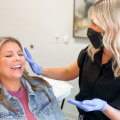
In recent years, medical aesthetics has emerged as a transformative field that combines art and science to enhance physical appearance and boost self-confidence. This branch of medicine focuses on non-surgical procedures designed to improve aesthetic concerns, ranging from skin texture to facial volume. As individuals increasingly seek ways to maintain their youthful appearance, understanding what medical aesthetics entails becomes essential. At its core, medical aesthetics encompasses a variety of treatments, including injectables, laser therapies, and chemical peels. These procedures are typically performed by licensed professionals who possess the expertise to deliver safe and effective results.
Among these options, chemical peels stand out for their ability to rejuvenate the skin by removing dead cells and promoting new cell growth. This process not only enhances the skin's appearance but also addresses various skin issues such as acne scars, pigmentation, and fine lines. The benefits of medical aesthetics extend beyond mere cosmetic improvements. Many patients report increased self-esteem and a more positive self-image following treatments. By investing in their appearance through medical aesthetics, individuals often find themselves more confident in social situations and professional environments.
As we delve deeper into the specific advantages of chemical peels, it becomes clear that this treatment is not just about looking good; it’s about feeling empowered in one’s own skin.
What Are Chemical Peels?
Chemical peels are a popular treatment in the realm of medical aesthetics, designed to improve the appearance and texture of the skin. They involve the application of a chemical solution that exfoliates the outer layers of the skin, promoting new cell growth and revealing a fresher, more youthful complexion.Types of Chemical Peels
- Superficial Peels: These are the mildest type of chemical peel, typically using alpha-hydroxy acids (AHAs) or beta-hydroxy acids (BHAs). They target the outermost layer of skin, making them ideal for treating minor skin issues such as dryness, uneven texture, and fine lines.
- Medium Peels: Utilizing trichloroacetic acid (TCA), medium peels penetrate deeper into the skin. They are effective for addressing more pronounced concerns like moderate wrinkles, sun damage, and acne scars.
- Deep Peels: These peels use phenol or high concentrations of TCA to reach the deeper layers of skin.
They are suitable for severe skin imperfections, including deep wrinkles and significant sun damage. However, they require longer recovery times and are typically performed under anesthesia.
How Chemical Peels Work
The process begins with cleansing the skin to remove any impurities. The chosen chemical solution is then applied, which causes controlled damage to the skin's surface. This damage triggers the body’s natural healing response, leading to increased collagen production and cell turnover.As the outer layers of skin peel away, new skin emerges that is often smoother and more even-toned.The results can vary based on the type of peel used and individual skin conditions, but many patients report noticeable improvements in their skin's appearance after just one treatment.
The Benefits of Chemical Peels in Medical Aesthetics
Chemical peels have gained significant popularity in the realm of medical aesthetics due to their numerous benefits. These treatments involve the application of a chemical solution to the skin, which exfoliates the outer layers, revealing a fresher, more youthful complexion underneath.1.Skin Rejuvenation
- Improved Texture: Chemical peels can effectively smooth out rough skin texture, making it feel softer and look more radiant.
- Even Skin Tone: They help in reducing hyperpigmentation and uneven skin tone, resulting in a more uniform appearance.
- Enhanced Radiance: By removing dead skin cells, chemical peels promote cell turnover, leading to a brighter and healthier glow.
2.Acne Treatment
- Pore Minimization: Chemical peels can unclog pores and reduce their size, which is crucial for preventing future breakouts.
- Reduction of Acne Scars: Certain types of peels can diminish the appearance of acne scars, helping to restore confidence in those affected.
- Control of Oil Production: Peels can help regulate sebum production, making them beneficial for oily and acne-prone skin types.
3.Anti-Aging Effects
- Smoothing Fine Lines: Chemical peels can reduce the visibility of fine lines and wrinkles, contributing to a more youthful appearance.
- Stimulating Collagen Production: The exfoliation process encourages collagen synthesis, which is essential for maintaining skin elasticity and firmness.
- Long-Lasting Results: With proper aftercare, the results from chemical peels can be long-lasting, making them a worthwhile investment in medical aesthetics.
Who Can Benefit from Chemical Peels?
Chemical peels can be a transformative treatment for a variety of individuals seeking to enhance their skin's appearance. However, not everyone is an ideal candidate for this procedure.Understanding who can benefit from chemical peels is crucial for potential clients considering this treatment.
Ideal Candidates for Chemical Peels
- Individuals with Acne Scars: Those struggling with the aftermath of acne may find that chemical peels help reduce the visibility of scars and promote smoother skin.
- People with Sun Damage: If you have sunspots or uneven skin tone due to prolonged sun exposure, chemical peels can effectively exfoliate damaged layers and reveal healthier skin underneath.
- Individuals with Fine Lines and Wrinkles: Chemical peels can stimulate collagen production, making them a suitable option for those looking to diminish signs of aging.
- Patients with Hyperpigmentation: For those dealing with dark patches or uneven pigmentation, chemical peels can help even out skin tone and improve overall complexion.
Skin Types That Benefit
Chemical peels are versatile and can be tailored to suit various skin types:
- Oily Skin: Individuals with oily skin often benefit from chemical peels that target excess oil production and unclog pores.
- Dry Skin: Gentle chemical peels can hydrate and rejuvenate dry skin, helping to remove dead cells and promote moisture retention.
- Sensitive Skin: There are milder formulations available that cater specifically to sensitive skin types, allowing these individuals to enjoy the benefits without irritation.
Conditions to Consider
Certain skin conditions may also indicate a need for chemical peels:
- Rosacea: While caution is advised, some patients with rosacea may find relief through specific types of chemical peels designed for sensitive skin.
- Melasma: This condition, characterized by brown patches on the face, can be treated effectively with targeted chemical peel treatments.
Potential Risks and Side Effects of Chemical Peels
While chemical peels can offer significant benefits in the realm of medical aesthetics, it is essential to consider the potential risks and side effects associated with these treatments. Understanding these factors can help individuals make informed decisions about their skincare options.Common Risks of Chemical Peels
- Skin Irritation: After a chemical peel, it is common to experience redness, swelling, and irritation. This is typically temporary but can vary in intensity depending on the depth of the peel.
- Allergic Reactions: Some individuals may have allergic reactions to the chemicals used in the peel.
It is crucial to discuss any known allergies with your practitioner beforehand.
- Infection: There is a risk of infection if proper aftercare instructions are not followed. Keeping the treated area clean and avoiding sun exposure are vital for minimizing this risk.
Potential Side Effects
- Peeling and Flaking: As the name suggests, chemical peels often cause peeling and flaking of the skin. This process can last several days to weeks, depending on the type of peel.
- Hyperpigmentation: In some cases, especially for individuals with darker skin tones, chemical peels can lead to post-inflammatory hyperpigmentation, resulting in dark spots on the skin.
- Scarring: Although rare, there is a possibility of scarring from deeper peels. Choosing a qualified practitioner can significantly reduce this risk.
Safety Considerations:
To ensure a safe experience with chemical peels, it is crucial to consult with a qualified medical professional who specializes in medical aesthetics.
They will assess your skin type, discuss your goals, and recommend the most appropriate type of peel for your needs. Additionally, following pre- and post-treatment care instructions can help mitigate risks and enhance results.In summary, while chemical peels can be an effective tool in achieving healthier skin, being aware of the potential risks and side effects is essential for anyone considering this treatment. Transparency about these aspects fosters trust and empowers individuals to make educated choices regarding their skincare journey.
Aftercare Tips Following a Chemical Peel
After undergoing a chemical peel, proper aftercare is crucial to ensure optimal results and promote healing. Here are some essential tips to follow:- Keep Your Skin Hydrated: Moisturizing is key after a chemical peel.
Use a gentle, hydrating moisturizer to help soothe the skin and prevent dryness. Look for products that contain hyaluronic acid or ceramides.
- Avoid Sun Exposure: Your skin will be more sensitive post-peel, making it vital to avoid direct sunlight. Always apply a broad-spectrum sunscreen with at least SPF 30 when going outdoors, even on cloudy days.
- Do Not Pick or Scrub: It can be tempting to touch or pick at peeling skin, but this can lead to scarring or infection. Allow the skin to naturally exfoliate.
- Limit Makeup Use: For the first few days after your peel, try to avoid makeup to allow your skin to breathe and heal.
If you must wear makeup, opt for mineral-based products that are less likely to irritate.
- Follow Your Provider's Instructions: Always adhere to the specific aftercare instructions provided by your medical aesthetician or dermatologist. They may recommend specific products or routines tailored to your skin type.
- Stay Hydrated: Drink plenty of water post-peel to help your body recover and keep your skin hydrated from within.
Frequently Asked Questions About Chemical Peels
When considering a chemical peel, many potential clients have questions and concerns. Here are some of the most frequently asked questions about chemical peels:- What is a chemical peel? A chemical peel is a cosmetic treatment that involves applying a solution to the skin to exfoliate and remove damaged outer layers.
This process can improve skin texture, tone, and overall appearance.
- Are chemical peels safe? Yes, when performed by a qualified professional, chemical peels are generally safe. However, it’s essential to discuss your medical history and skin type with your practitioner to determine the best approach for you.
- How long does recovery take? Recovery time varies depending on the depth of the peel. Superficial peels may require minimal downtime, while deeper peels can take several days to weeks for full recovery.
- Will I experience pain during the procedure? Most patients report only mild discomfort during a chemical peel. Your practitioner may apply a numbing agent to minimize any potential pain.
- What are some common myths about chemical peels?
- Myth 1: Chemical peels are only for older individuals.
Fact: People of all ages can benefit from chemical peels, as they address various skin concerns.
- Myth 2: Chemical peels are too harsh for sensitive skin. Fact: There are different types of peels tailored for sensitive skin types, making them accessible for everyone.
- Myth 3: Chemical peels will leave my skin red and damaged. Fact: While some redness is normal, most patients see improved skin clarity and texture after healing.
Conclusion: The Transformative Power of Chemical Peels in Medical Aesthetics
In summary, chemical peels represent a powerful tool in the realm of medical aesthetics, offering a multitude of benefits that can significantly enhance skin health and appearance. Throughout this article, we have explored how these treatments can address various skin concerns, from fine lines and wrinkles to hyperpigmentation and acne scars.One of the most compelling advantages of chemical peels is their ability to promote cell turnover.By exfoliating the outer layers of the skin, these peels encourage the growth of new, healthier skin cells. This process not only improves texture but also enhances overall skin tone, making it a popular choice for those seeking a more youthful appearance.Moreover, chemical peels can be tailored to meet individual needs. With options ranging from superficial to deep peels, patients can choose a treatment that aligns with their specific skin type and desired outcomes. This customization ensures that each individual receives the most effective care possible.Additionally, the results of chemical peels are often long-lasting.
With proper aftercare and maintenance, patients can enjoy smoother, clearer skin for months following their treatment. This longevity makes chemical peels a worthwhile investment in one’s skincare regimen.Finally, it’s essential to consider the psychological benefits that come with improved skin health. Many individuals report increased confidence and self-esteem after undergoing chemical peel treatments, which can positively impact various aspects of their lives.In conclusion, if you are looking to rejuvenate your skin and address specific concerns effectively, chemical peels in medical aesthetics may be the solution you’ve been searching for. Consult with a qualified professional to explore how this transformative treatment can help you achieve your skincare goals.