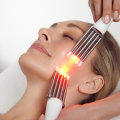
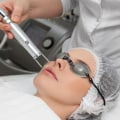
In recent years, medical aesthetics has emerged as a popular field that combines art and science to enhance physical appearance through various non-surgical treatments. This branch of medicine focuses on improving aesthetic outcomes while prioritizing patient safety and satisfaction. Understanding what medical aesthetics entails is essential for anyone considering these treatments, as it encompasses a wide range of procedures designed to rejuvenate and enhance the skin, body, and overall appearance. At its core, medical aesthetics refers to a variety of cosmetic procedures that are performed by licensed professionals, including dermatologists and plastic surgeons. These treatments can range from injectables like Botox and dermal fillers to advanced laser therapies and chemical peels.
Each treatment option is tailored to address specific concerns such as wrinkles, fine lines, uneven skin tone, and volume loss. By exploring the different types of medical aesthetic treatments available, individuals can make informed decisions about which options best suit their needs. As you delve deeper into the world of medical aesthetics, it becomes clear that this field is not just about enhancing beauty; it also plays a significant role in boosting self-confidence and improving quality of life. Whether you are seeking subtle enhancements or more dramatic changes, understanding the principles behind medical aesthetics will empower you to navigate your options effectively and achieve the results you desire.
Common Reasons for Dissatisfaction with Medical Aesthetic Treatments
When it comes to medical aesthetic treatments, dissatisfaction can stem from a variety of factors. Understanding these common reasons can help patients navigate their experiences and set realistic expectations.- Unrealistic Expectations: One of the primary reasons for dissatisfaction is having unrealistic expectations about the outcomes of a treatment.
Patients may envision results that are not achievable, leading to disappointment when the actual results do not match their ideal.
- Communication Gaps: Effective communication with practitioners is crucial. If patients do not clearly express their goals or if practitioners fail to explain the limitations and potential outcomes of a procedure, misunderstandings can arise, resulting in dissatisfaction.
- Complications and Side Effects: While most medical aesthetic treatments are safe, complications can occur. Side effects such as swelling, bruising, or asymmetry may lead to dissatisfaction, especially if patients were not adequately informed about these possibilities beforehand.
- Inexperience of the Practitioner: The skill and experience of the practitioner play a significant role in the success of aesthetic treatments. Choosing an inexperienced provider can lead to subpar results, which may contribute to feelings of dissatisfaction.
- Time for Results to Manifest: Some treatments require time for results to fully develop.
Patients may become impatient and feel dissatisfied if they do not see immediate changes, not realizing that optimal results may take weeks or even months.
Assessing Your Results: When to Be Concerned
When evaluating the results of your medical aesthetic treatment, it’s essential to have a clear understanding of what constitutes satisfactory outcomes versus potential issues. Here are some key points to consider:- Timeframe for Results: Many treatments require time for full effects to manifest. For instance, dermal fillers may take a few days to settle, while laser treatments can show results over several weeks.
Be patient and allow adequate time before making a judgment.
- Expected Outcomes: Familiarize yourself with the typical results associated with your specific treatment. Consult your provider about what you should realistically expect, as this can help set appropriate benchmarks for assessment.
- Signs of Treatment Failure: While some minor side effects are normal, certain signs may indicate a need for concern. Look out for:
- Severe Pain or Discomfort: If you experience persistent pain that doesn’t subside, it may be a sign of complications.
- Infection Symptoms: Redness, swelling, or discharge at the treatment site could indicate an infection.
- Asymmetry or Unnatural Appearance: If results appear uneven or exaggerated, this may warrant further evaluation.
By being informed and proactive, you can ensure that you achieve the best possible outcomes from your aesthetic procedures.
Steps to Take If You Are Unsatisfied with Your Treatment
Experiencing dissatisfaction with the results of your medical aesthetic treatment can be disheartening. However, there are several steps you can take to address your concerns and find a resolution.- Consult Your Practitioner: The first step is to schedule a follow-up appointment with the practitioner who performed your treatment. Openly discuss your concerns and the specific aspects of the results that you find unsatisfactory. A good practitioner will appreciate your feedback and may offer solutions or adjustments.
- Document Your Experience: Before your consultation, take notes on what you expected versus what you received.
Include photos if applicable. This documentation can help clarify your concerns during discussions with your practitioner.
- Seek a Second Opinion: If you feel that your concerns are not being adequately addressed, consider seeking a second opinion from another qualified professional in the field of medical aesthetics. They can provide an unbiased perspective on your treatment results and suggest alternative options.
- Explore Corrective Procedures: Depending on the nature of your dissatisfaction, corrective procedures may be available. Discuss these options with both your original practitioner and any new professionals you consult.
They can guide you on the best course of action to achieve your desired results.
- Understand Your Rights: Familiarize yourself with the clinic's policies regarding dissatisfaction and corrective treatments. Many reputable clinics have protocols in place for addressing patient concerns, which may include touch-up treatments or refunds.
Communicating with Your Practitioner: Tips for Effective Dialogue
Effective communication with your practitioner is essential when you are not satisfied with the results of your medical aesthetic treatment. Here are some tips to help you express your concerns clearly and constructively:- Prepare for the Conversation: Before your appointment, take some time to jot down your thoughts.
Consider what specific aspects of the treatment you are dissatisfied with, whether it’s the results, side effects, or overall experience.
- Be Honest and Direct: When discussing your concerns, be straightforward. Use clear language to describe what you expected versus what you received. For example, instead of saying "I don’t like it," try saying "I was hoping for a more subtle enhancement in this area." This helps your practitioner understand your perspective better.
- Ask Questions: Engage in a dialogue by asking questions about the treatment process and expected outcomes. Inquire about what might have contributed to the results you’re experiencing.
This not only shows your interest but also helps clarify any misunderstandings.
- Stay Calm and Respectful: Emotions can run high when discussing dissatisfaction, but maintaining a calm demeanor is crucial. Approach the conversation with respect and an open mind, as this fosters a more productive discussion.
- Discuss Possible Solutions: Instead of focusing solely on the negatives, think about potential solutions. Ask your practitioner if there are options for adjustments or follow-up treatments that could help achieve your desired results.
Exploring Options for Correction or Revision Treatments
Experiencing dissatisfaction with the results of your medical aesthetic treatment can be disheartening.However, it’s essential to know that there are options available for correction or revision. Understanding these options can help you regain confidence in your appearance.
Consultation with Your Practitioner
The first step in addressing unsatisfactory results is to schedule a follow-up consultation with your practitioner. Openly discuss your concerns and the specific aspects of the treatment that did not meet your expectations. A skilled professional will assess the situation and provide insights into potential correction treatments.Revision Treatments
Depending on the nature of the issue, several revision options may be available:- Injectable Fillers: If you have uneven results from dermal fillers, additional injections can often balance out the appearance.
- Botox Adjustments: For those who feel their Botox treatment was insufficient or excessive, a follow-up session can help achieve the desired look.
- Surgical Corrections: In cases where non-invasive treatments have not yielded satisfactory results, surgical options may be considered to correct or enhance the initial procedure.
Alternative Procedures
If revision treatments are not suitable or desired, exploring alternative procedures might be beneficial.These could include:
- Laser Treatments: Laser therapy can address various skin concerns and improve texture or pigmentation issues resulting from previous treatments.
- Chemical Peels: A chemical peel can rejuvenate the skin and help mitigate any adverse effects from prior aesthetic procedures.
- Microneedling: This technique promotes collagen production and can improve skin quality, potentially rectifying some unsatisfactory results.
Patient Rights and Responsibilities in Medical Aesthetics
Understanding your rights as a patient in the realm of medical aesthetics is crucial for ensuring a positive treatment experience. Patients have the right to be informed about their treatment options, potential risks, and expected outcomes. This transparency allows you to make educated decisions regarding your aesthetic procedures.Patient Rights
in aesthetics include:- Informed Consent: You have the right to receive comprehensive information about the procedure, including its benefits and risks, before giving consent.
- Privacy: Your personal health information must be kept confidential, and you should feel secure discussing your concerns with your practitioner.
- Quality Care: You are entitled to receive care that meets professional standards and is performed by qualified practitioners.
- Follow-Up: After treatment, you have the right to appropriate follow-up care and support to address any concerns or complications.
These professionals are obligated to:
- Provide Accurate Information: Practitioners must ensure that all information shared with patients is truthful and based on current medical standards.
- Maintain Professionalism: They should conduct themselves in a manner that respects patient dignity and fosters trust.
- Address Concerns Promptly: If a patient expresses dissatisfaction or experiences complications, practitioners must respond quickly and effectively.
Frequently Asked Questions About Medical Aesthetic Dissatisfaction
When it comes to medical aesthetics, dissatisfaction can arise for various reasons. Here are some frequently asked questions that can help clarify your concerns:- What should I do if I am unhappy with my results?
If you are not satisfied with the outcome of your treatment, the first step is to communicate openly with your practitioner.Schedule a follow-up appointment to discuss your concerns and explore possible solutions.
- Is it normal to feel dissatisfied after a treatment?
It’s not uncommon for patients to experience a range of emotions post-treatment. Factors such as unrealistic expectations or the healing process can contribute to feelings of dissatisfaction. Understanding the typical recovery timeline can help manage these feelings. - Can I request a revision or touch-up?
Many practitioners offer touch-up treatments or revisions if the initial results do not meet your expectations. However, this often depends on the specific treatment and the time elapsed since the procedure. - What if my concerns are not addressed?
If you feel that your concerns are not being taken seriously, consider seeking a second opinion from another qualified professional.It’s important to find a practitioner who listens and values your input.
- How can I prevent dissatisfaction in future treatments?
To minimize the risk of dissatisfaction, do thorough research before choosing a provider. Look for reviews, ask for before-and-after photos, and ensure that you have realistic expectations about what the treatment can achieve.
Conclusion: Moving Forward After Unsatisfactory Results
In conclusion, navigating the aftermath of unsatisfactory results from medical aesthetic treatments can be challenging, but it is essential to approach the situation with a clear plan and open communication. Understanding your options and knowing how to advocate for yourself can significantly impact your overall satisfaction and well-being.First and foremost
, it is crucial to maintain an open line of communication with your practitioner.Schedule a follow-up appointment to discuss your concerns in detail. Be honest about what you are experiencing and how it differs from your expectations. This dialogue not only helps your provider understand your perspective but also allows them to offer tailored solutions.
Consider the following steps
if you find yourself dissatisfied:- Document Your Experience: Keep a record of your treatment process, including dates, procedures, and any side effects or concerns that arose.
- Seek a Second Opinion: If you feel that your concerns are not being adequately addressed, consulting another qualified professional can provide new insights and options.
- Explore Revision Treatments: Many aesthetic procedures have options for correction or enhancement. Discuss these possibilities with your provider.
- Understand Your Rights: Familiarize yourself with the policies regarding dissatisfaction and potential refunds or corrective measures offered by the clinic.
By taking proactive steps and engaging in constructive conversations with your healthcare provider, you can work towards achieving the results you desire. Remember, it’s not just about the treatment itself but also about how you feel throughout the process. Your satisfaction is paramount, and there are always pathways to improvement.