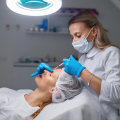
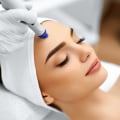
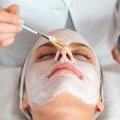
In recent years, medical aesthetics has emerged as a transformative field that blends the art of beauty with the science of medicine. This innovative approach focuses on enhancing physical appearance through a variety of non-surgical procedures, making it increasingly popular among individuals seeking to improve their self-esteem and overall well-being. As societal standards of beauty evolve, more people are turning to medical aesthetics to address their unique concerns, ranging from skin imperfections to signs of aging. The relevance of medical aesthetics in today’s society cannot be overstated. With advancements in technology and techniques, patients now have access to a wide array of treatments that are both effective and minimally invasive.
These procedures not only help in achieving aesthetic goals but also promote a sense of empowerment and confidence. Whether it’s through dermal fillers, Botox, or laser treatments, medical aesthetics offers solutions tailored to individual needs, making it a vital component of modern healthcare. As we delve deeper into the world of medical aesthetics, it’s essential to understand the common concerns that can be effectively addressed through these treatments. From reducing fine lines and wrinkles to improving skin texture and tone, the benefits are numerous. By exploring these specific issues, we can appreciate how medical aesthetics plays a crucial role in enhancing not just physical appearance but also emotional health.
Understanding Common Concerns in Medical Aesthetics
Medical aesthetics encompasses a wide range of treatments designed to address various common concerns that individuals may have regarding their appearance.These concerns often stem from natural aging processes, environmental factors, and personal body image perceptions.One of the most prevalent issues is related to skin problems. Many people seek medical aesthetic solutions for conditions such as:
- Acne and acne scars: Persistent acne can lead to emotional distress and self-esteem issues, prompting individuals to explore treatments like chemical peels or laser therapy.
- Hyperpigmentation: Dark spots or uneven skin tone can be addressed through various procedures, including microdermabrasion and topical treatments.
- Rosacea: This chronic skin condition can cause redness and visible blood vessels, often treated with laser therapy or topical medications.
- Wrinkles and fine lines: These are often the first signs of aging that prompt people to consider options like Botox or dermal fillers.
- Loss of volume: As skin loses elasticity, treatments such as hyaluronic acid fillers can restore youthful contours.
- Skin laxity: Non-surgical skin tightening procedures can help combat sagging skin.
- Body contouring: Procedures like CoolSculpting or liposuction help eliminate stubborn fat deposits.
- Cellulite treatment: Various techniques are available to reduce the appearance of cellulite, enhancing overall body confidence.
- Stretch marks and scars: Treatments such as laser therapy can minimize the visibility of these skin imperfections.
By understanding these concerns, individuals can make informed decisions about the treatments that best suit their needs.
Skin Rejuvenation: Addressing Acne Scars and Pigmentation
In the realm of medical aesthetics, skin rejuvenation plays a pivotal role in addressing common concerns such as acne scars and pigmentation issues. These conditions can significantly impact an individual’s self-esteem and overall appearance, making effective treatment options essential.Acne Scars Treatment
- Laser Therapy: One of the most popular methods for treating acne scars is through laser therapy. This technique utilizes focused light to target scar tissue, promoting collagen production and skin renewal.
- Microneedling: This minimally invasive procedure involves using fine needles to create micro-injuries in the skin, stimulating the body’s natural healing process. It can effectively reduce the appearance of scars over time.
- Chemical Peels: Chemical peels involve applying a solution to exfoliate the top layers of skin, which can help diminish the visibility of acne scars and improve overall skin texture.
Pigmentation Issues
- Intense Pulsed Light (IPL) Therapy: IPL therapy is effective for treating pigmentation issues such as sun spots and melasma.
It works by delivering light energy that targets pigmented areas without harming surrounding skin.
- Topical Treatments: Products containing ingredients like hydroquinone, retinoids, or vitamin C can help lighten hyperpigmentation and even out skin tone when used consistently.
- Fractional Laser Resurfacing: This advanced treatment targets specific areas of pigmentation while promoting overall skin rejuvenation. It helps in reducing dark spots and improving skin texture.
Anti-Aging Solutions: Wrinkles and Fine Lines
As we age, the skin undergoes various changes, leading to the appearance of wrinkles and fine lines. These signs of aging can be distressing for many individuals, prompting a search for effective anti-aging treatments.Medical aesthetics offers a range of solutions designed to rejuvenate the skin and restore a youthful appearance.One of the most popular methods for reducing wrinkles is the use of injectables. These include:
- Botulinum toxin (Botox): This treatment temporarily relaxes the muscles that cause dynamic wrinkles, such as crow's feet and frown lines.
- Dermal fillers: These are used to add volume to areas that have lost elasticity, effectively smoothing out static wrinkles and enhancing facial contours.
- Platelet-rich plasma (PRP): Utilizing the body’s own healing properties, PRP can stimulate collagen production, improving skin texture and reducing fine lines.
- Chemical peels: These treatments exfoliate the outer layer of skin, promoting cell turnover and revealing fresher, smoother skin underneath.
- Laser therapy: Laser treatments can target deeper layers of skin to stimulate collagen production, effectively reducing wrinkles and improving overall skin tone.
- Microneedling: This procedure creates tiny punctures in the skin to trigger healing processes, resulting in improved texture and reduced fine lines.
Body Contouring: Addressing Weight and Shape Concerns
Body contouring is a popular aspect of medical aesthetics that focuses on reshaping and enhancing the body's appearance.For individuals struggling with weight and shape concerns, various body contouring options can provide effective solutions.One of the most sought-after procedures is liposuction, which involves the removal of excess fat from specific areas of the body. This surgical option is ideal for those who have localized fat deposits that are resistant to diet and exercise. It can be performed on various body parts, including the abdomen, thighs, and arms, helping to create a more sculpted silhouette.For those looking for non-invasive alternatives, coolsculpting has gained popularity. This procedure uses controlled cooling to freeze and eliminate fat cells without damaging surrounding tissues.
It is particularly effective for individuals who want to target stubborn fat areas without undergoing surgery.
Body wraps
and radiofrequency treatments are also options within the realm of body contouring. Body wraps can help temporarily reduce inches and improve skin texture, while radiofrequency treatments stimulate collagen production, leading to tighter skin and improved body shape over time.Additionally, weight loss treatments, such as prescription medications or bariatric surgery, may be considered for individuals with significant weight concerns. These options can lead to substantial weight loss, which can then be complemented by body contouring procedures to achieve a more balanced and aesthetically pleasing figure.Ultimately, the choice of body contouring option depends on individual goals, body type, and medical history. Consulting with a qualified medical aesthetics professional can help determine the most suitable approach for achieving desired results.Enhancing Facial Features: Fillers and Injectables
In the realm of medical aesthetics, fillers and injectables have emerged as popular solutions for enhancing facial features.These treatments are particularly effective in addressing common concerns such as volume loss, asymmetry, and the desire for a more youthful appearance.
Facial fillers
, often made from hyaluronic acid or other biocompatible substances, are designed to restore lost volume and smooth out wrinkles. As we age, our skin naturally loses elasticity and fat, leading to a sunken or tired appearance. Fillers can be strategically injected into areas like the cheeks, temples, and under the eyes to create a more balanced and rejuvenated look.Injectables also play a crucial role in enhancing specific features. For instance, lip augmentation has gained immense popularity among individuals looking to achieve fuller, more defined lips.By using dermal fillers, practitioners can enhance lip volume, improve shape, and even correct asymmetry. This non-surgical approach allows for immediate results with minimal downtime.Another common concern addressed by injectables is facial asymmetry. Many people have slight differences in their facial features that can be enhanced through targeted treatments. For example, if one side of the face appears less full than the other, fillers can be used to create a more harmonious appearance.Overall, the use of fillers and injectables in medical aesthetics offers a versatile approach to enhancing facial features.
With advancements in techniques and products, patients can achieve natural-looking results that enhance their unique beauty while addressing specific aesthetic concerns.
The Role of Technology in Medical Aesthetics
In recent years, the field of medical aesthetics has witnessed remarkable advancements driven by technology. These innovations have transformed how practitioners address common concerns, offering patients more effective and less invasive options.One of the most significant breakthroughs is the use of laser treatments. Lasers can target specific skin issues such as pigmentation, acne scars, and wrinkles with precision. For instance, fractional laser therapy allows for the treatment of damaged skin while promoting healing in surrounding areas, resulting in minimal downtime and improved skin texture.Another area where technology plays a crucial role is in injectable treatments.Advanced techniques in administering dermal fillers and neuromodulators like Botox have enhanced safety and efficacy. Practitioners now utilize ultrasound guidance to ensure precise placement, reducing the risk of complications and improving patient satisfaction.Moreover, the integration of 3D imaging technology has revolutionized treatment planning. This technology enables practitioners to visualize potential outcomes before procedures, allowing for more personalized treatment plans that align with patient expectations.Additionally, radiofrequency devices have gained popularity for their ability to stimulate collagen production without surgery. These non-invasive treatments can effectively tighten skin and reduce the appearance of fine lines, making them a preferred choice for many seeking rejuvenation.As technology continues to evolve, patients can expect even more innovative solutions in medical aesthetics.
From enhanced safety protocols to improved treatment outcomes, these advancements not only address aesthetic concerns but also empower individuals to feel more confident in their skin.
Safety and Considerations in Medical Aesthetics Treatments
When considering medical aesthetics treatments, safety should be a top priority. Understanding the potential risks and how to choose a qualified provider can significantly enhance your experience and outcomes.Understanding Risks in Medical Aesthetics
Every medical aesthetic procedure carries some level of risk. Common concerns include:- Infection: Any procedure that breaks the skin can introduce bacteria, leading to infections.
- Allergic Reactions: Some individuals may react adversely to the substances used in treatments, such as fillers or anesthetics.
- Scarring: Improper technique or aftercare can result in permanent scarring.
- Unsatisfactory Results: There is always a chance that the outcome may not meet your expectations, leading to dissatisfaction.
Choosing a Qualified Provider
Selecting the right provider is crucial for ensuring safety and achieving desired results. Here are some tips to help you make an informed choice:- Check Credentials: Ensure that the provider is licensed and has specialized training in medical aesthetics.
- Read Reviews: Look for testimonials and reviews from previous patients to gauge their experiences.
- Consultation: Schedule a consultation to discuss your goals and ask questions about the procedure, risks, and aftercare.
- Avoid Deals That Seem Too Good to Be True: If a price seems unusually low, it may indicate compromised quality or safety standards.
Frequently Asked Questions about Medical Aesthetics
Medical aesthetics is a rapidly growing field, and with its rise in popularity, many individuals have questions about the various treatments available.Here are some frequently asked questions that can help clarify common concerns.
- What is medical aesthetics?
Medical aesthetics refers to a range of non-surgical procedures designed to enhance appearance and address various skin concerns. These treatments can include injectables like Botox and dermal fillers, laser therapies, and skin rejuvenation techniques. - Are medical aesthetic treatments safe?
Yes, when performed by qualified professionals, medical aesthetic treatments are generally safe. It’s crucial to choose a licensed practitioner who has experience with the specific procedure you are considering. - How long do the results last?
The longevity of results varies by treatment. For example, Botox typically lasts 3-6 months, while dermal fillers can last from 6 months to 2 years depending on the type used and individual factors. - What are the common side effects?
Side effects can include temporary swelling, bruising, or redness at the injection site.More serious complications are rare but can occur, which is why it’s important to discuss potential risks with your provider.
- Can I combine treatments?
Yes, many patients opt for combination therapies to achieve optimal results. For instance, combining Botox with dermal fillers can provide a more comprehensive rejuvenation effect.
Conclusion: Embracing Medical Aesthetics for Personal Confidence
In conclusion, medical aesthetics offers a transformative approach to addressing various concerns that can significantly enhance personal confidence. Throughout this article, we have explored how treatments such as dermal fillers, Botox, and laser therapies can effectively target issues like fine lines, uneven skin tone, and volume loss.By understanding the benefits of these procedures, individuals can make informed decisions that align with their personal goals. Here are some key takeaways:- Personalized Solutions: Medical aesthetics provides tailored treatments that cater to individual needs, ensuring optimal results.
- Minimally Invasive Options: Many procedures are non-surgical and require little to no downtime, making them accessible for those with busy lifestyles.
- Boosted Self-Esteem: Enhancements in appearance can lead to increased self-confidence, positively impacting various aspects of life.
- Professional Guidance: Consulting with qualified practitioners ensures safety and efficacy, allowing patients to feel secure in their choices.
As more individuals recognize the potential of these treatments, the stigma surrounding them continues to diminish. By prioritizing personal confidence through medical aesthetics, individuals can embark on a journey of self-discovery and empowerment.