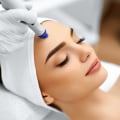
In recent years, the field of medical aesthetics has gained significant traction, merging the worlds of beauty and healthcare. This dynamic discipline focuses on enhancing an individual's appearance through non-surgical procedures, utilizing advanced techniques and technologies. As a result, medical aestheticians play a crucial role in this evolving landscape, serving as the bridge between cosmetic treatments and medical expertise. Medical aestheticians are specially trained skincare professionals who possess a deep understanding of skin anatomy, various skin conditions, and the latest aesthetic treatments. Their qualifications often include formal education in aesthetics, along with specialized training in medical procedures such as chemical peels, laser therapy, and microdermabrasion.
This unique blend of skills allows them to provide tailored skincare solutions that not only enhance beauty but also promote overall skin health. The demand for qualified medical aestheticians continues to rise as more individuals seek effective solutions for skin concerns ranging from acne to aging. Understanding the qualifications and training that these professionals undergo is essential for anyone considering a career in this field or seeking their services. In the following sections, we will delve deeper into the specific qualifications that set medical aestheticians apart and how they contribute to the broader realm of medical aesthetics.
What is a Medical Aesthetician?
A medical aesthetician is a licensed skincare professional who specializes in providing advanced skincare treatments and services in a medical setting. Unlike traditional aestheticians, medical aestheticians work closely with dermatologists, plastic surgeons, and other healthcare professionals to enhance the overall appearance and health of the skin.The role of a medical aesthetician encompasses a variety of responsibilities, including:- Skin Analysis: Conducting thorough assessments of clients' skin types and conditions to recommend appropriate treatments.
- Facial Treatments: Performing specialized facials that may include chemical peels, microdermabrasion, and other advanced techniques aimed at improving skin texture and tone.
- Laser Treatments: Administering laser therapies for hair removal, skin resurfacing, and pigmentation issues under the supervision of a licensed physician.
- Product Recommendations: Advising clients on suitable skincare products and regimens tailored to their specific needs.
- Post-Procedure Care: Providing guidance on aftercare following medical procedures to ensure optimal healing and results.
Medical aestheticians play a crucial role in this field by bridging the gap between cosmetic treatments and medical care. Their expertise not only helps clients achieve their aesthetic goals but also promotes skin health and wellness.In summary, a medical aesthetician is an essential part of the healthcare team, combining beauty with science to provide effective skincare solutions. Their training equips them with the knowledge to perform complex procedures safely while ensuring that clients receive personalized care tailored to their unique skin concerns.
Educational Requirements for Medical Aestheticians
To embark on a career as a medical aesthetician, individuals must navigate a variety of educational pathways that equip them with the necessary skills and knowledge. The journey typically begins with obtaining a high school diploma or equivalent, which is a prerequisite for further education.1.Formal Education
- Cosmetology Programs: Many aspiring medical aestheticians start their education in cosmetology schools, where they learn the fundamentals of skin care, makeup application, and hair removal techniques.
These programs usually last from 6 months to 2 years and culminate in a diploma or certificate.
- Esthetician Training: Specialized esthetician programs focus more on skin care and treatments. These programs often cover topics such as facial treatments, chemical peels, and microdermabrasion. Completion of these programs typically requires 600 to 1,200 hours of training.
2.Advanced Certifications
- Medical Aesthetician Certification: After completing basic esthetician training, many choose to pursue additional certifications specifically in medical aesthetics. These programs delve deeper into advanced techniques and technologies used in medical settings, such as laser therapy and injectables.
- Continuing Education: To stay current with industry trends and advancements, medical aestheticians are encouraged to participate in ongoing education through workshops and seminars.
This not only enhances their skills but also helps them maintain licensure in many states.
3.Licensing Requirements
Most states require medical aestheticians to obtain a license to practice. This typically involves passing a state board exam that tests knowledge of skin care practices, safety protocols, and relevant laws. It’s essential for aspiring medical aestheticians to familiarize themselves with the specific licensing requirements in their state.In summary, the path to becoming a qualified medical aesthetician involves a combination of formal education, specialized training, and certification programs that prepare individuals for the diverse challenges of this rewarding field.
Licensing and Certification in Medical Aesthetics
In the field of medical aesthetics, the path to becoming a qualified medical aesthetician involves navigating a complex landscape of licensing and certification requirements that vary significantly from state to state. Understanding these regulations is crucial for ensuring that practitioners meet the professional standards necessary to provide safe and effective treatments.Licensing Requirements
- Most states require medical aestheticians to hold a valid state license, which typically involves completing a specific number of hours in an accredited training program.
- These programs often cover essential topics such as skin anatomy, treatment techniques, and safety protocols.
- After completing the educational requirements, candidates must pass a state board examination to obtain their license.
Certification Process
- In addition to state licensing, many medical aestheticians pursue certification from recognized professional organizations.
- This certification often requires additional training and passing an exam, which can enhance credibility and demonstrate expertise in specialized areas of medical aesthetics.
- Certifications may include advanced techniques such as laser treatments, chemical peels, and microdermabrasion.
State Regulations
The specific regulations governing medical aesthetics can differ widely.
For instance:
- Some states allow medical aestheticians to perform certain procedures under the supervision of a licensed physician, while others may have more restrictive rules.
- It is essential for practitioners to stay informed about their state's regulations to ensure compliance and maintain their ability to practice legally.
Skills and Competencies of Medical Aestheticians
Medical aestheticians play a crucial role in the healthcare and beauty industries, requiring a unique blend of skills and competencies to provide effective treatments and ensure patient satisfaction. Here are some essential skills that successful medical aestheticians possess:- Clinical Knowledge: A solid understanding of skin anatomy, physiology, and various skin conditions is fundamental. Medical aestheticians must be able to assess skin types and recommend appropriate treatments.
- Technical Proficiency: Mastery of various aesthetic procedures, such as chemical peels, microdermabrasion, and laser treatments, is essential.
This technical skill ensures that treatments are performed safely and effectively.
- Communication Skills: Effective communication is vital for understanding client needs and explaining procedures. Medical aestheticians must be able to convey complex information in an accessible manner.
- Attention to Detail: Precision is key in aesthetic treatments. A keen eye for detail helps ensure that procedures are executed flawlessly, minimizing risks and maximizing results.
- Empathy and Compassion: Building rapport with clients is important in this field. Aesthetic treatments can be sensitive, so showing empathy helps clients feel comfortable and valued.
They often encounter unique challenges with each client, requiring them to think critically and adapt their approach as needed. Furthermore, staying updated with the latest trends and technologies in the field of medical aesthetics is crucial for ongoing professional development. Ultimately, the combination of these skills and competencies not only enhances the quality of care provided but also contributes to the overall success of a medical aesthetician's practice.
Continuing Education and Professional Development
In the rapidly evolving field of medical aesthetics, ongoing education and professional development are crucial for practitioners. As new technologies, techniques, and products emerge, medical aestheticians must stay informed to provide the best care to their clients.Continuing Education for Aestheticians
- Many states require medical aestheticians to complete a certain number of continuing education hours to maintain their licenses. This ensures that they are up-to-date with the latest practices and safety protocols.
- Workshops and seminars offered by industry leaders can provide hands-on experience with new equipment and treatments, enhancing practical skills.
- Online courses have become increasingly popular, allowing aestheticians to learn at their own pace while still gaining valuable knowledge.
Professional Development Opportunities
- Networking events and conferences are excellent opportunities for medical aestheticians to connect with peers, share experiences, and learn from industry experts.
- Joining professional organizations can provide access to exclusive resources, including research publications, webinars, and mentorship programs.
- Participating in community outreach programs can enhance an aesthetician's reputation while also providing valuable experience in diverse settings.
Advanced Training
- Advanced certifications in specialized areas such as laser therapy, chemical peels, or injectables can significantly enhance an aesthetician's skill set and marketability.
- Some institutions offer masterclasses led by renowned professionals, focusing on cutting-edge techniques that can set aestheticians apart in a competitive market.
- Staying informed about regulatory changes and industry standards through advanced training ensures compliance and promotes client safety.
By investing in their education, they not only enhance their skills but also improve client satisfaction and outcomes in the ever-evolving landscape of medical aesthetics.
Common Procedures Performed by Medical Aestheticians
Medical aestheticians are trained professionals who perform a variety of skincare procedures aimed at enhancing the appearance and health of the skin. Their qualifications enable them to offer a range of aesthetic treatments that cater to individual client needs.- Facials: Customized facials are one of the most common procedures, designed to cleanse, exfoliate, and hydrate the skin. Medical aestheticians often use advanced techniques and products to address specific skin concerns.
- Chemical Peels: These treatments involve applying a chemical solution to the skin, which helps to remove dead skin cells and improve texture. Medical aestheticians assess skin types and conditions to determine the appropriate peel strength.
- Microdermabrasion: This non-invasive procedure exfoliates the outer layer of skin using fine crystals, promoting cell turnover and revealing smoother skin underneath.
It is effective for reducing fine lines, sun damage, and acne scars.
- Laser Treatments: Many medical aestheticians are trained in laser technology for hair removal, tattoo removal, and skin resurfacing. These procedures require a deep understanding of skin anatomy and laser safety protocols.
- Microneedling: This technique involves using fine needles to create micro-injuries in the skin, stimulating collagen production. It is particularly effective for improving the appearance of scars and fine lines.
FAQs About Medical Aesthetician Qualifications
As the field of medical aesthetics continues to grow, many individuals have questions about the qualifications required to become a medical aesthetician.Below are some of the most frequently asked questions regarding this career path.
What education is required to become a medical aesthetician?
To start a career as a medical aesthetician, one typically needs to complete a state-approved aesthetician program. These programs usually last between 600 to 1,500 hours and cover various topics, including skin anatomy, chemical peels, laser treatments, and more. After completing the program, aspiring aestheticians must pass a state licensing exam to practice legally.Are there any additional certifications needed?
While a basic aesthetician license is essential, many medical aestheticians pursue additional certifications in specialized areas such as:- Laser hair removal
- Microdermabrasion
- Chemical peels
- Injectables (like Botox and fillers)
What skills are important for medical aestheticians?
A successful medical aesthetician should possess a combination of technical skills and interpersonal abilities. Key skills include:- Attention to detail: Precision is crucial when performing treatments.
- Communication skills: Aestheticians must effectively explain procedures and aftercare to clients.
- Customer service: Building rapport with clients is essential for repeat business.
What career opportunities are available for medical aestheticians?
The career path for medical aestheticians can be diverse.They may work in:
- Medical spas
- Dermatology clinics
- Plastic surgery offices
- Aesthetic training centers
Conclusion: The Path to Becoming a Medical Aesthetician
In summary, the journey to becoming a medical aesthetician is both rewarding and demanding, requiring a blend of education, practical experience, and ongoing professional development. As we have explored, medical aestheticians play a crucial role in the field of medical aesthetics, bridging the gap between beauty and healthcare.To recap, the essential qualifications for medical aestheticians typically include:- Formal Education: Most medical aestheticians complete a state-approved aesthetician program, which provides foundational knowledge in skin care, anatomy, and cosmetic procedures.
- Licensure: Obtaining a state license is mandatory in most regions, ensuring that practitioners meet the required standards of practice.
- Specialized Training: Many aestheticians pursue additional certifications in specific treatments such as laser therapy, chemical peels, or microdermabrasion to enhance their skill set.
- Clinical Experience: Hands-on training in a clinical setting is vital for developing the practical skills necessary to perform various aesthetic procedures safely and effectively.
- Continuing Education: The field of medical aesthetics is constantly evolving; therefore, ongoing education is essential to stay updated on the latest techniques and technologies.
With the right qualifications and dedication, aspiring medical aestheticians can embark on a fulfilling career that positively impacts the lives of many.