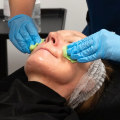
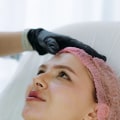
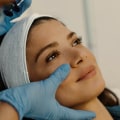
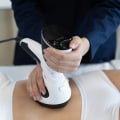
Medical aesthetics is a specialized field that merges the principles of medicine with cosmetic procedures to enhance an individual's appearance. This discipline encompasses a variety of non-surgical treatments aimed at improving aesthetic concerns, such as wrinkles, skin texture, and overall facial harmony.
Medical aesthetics explained
involves understanding how these treatments can not only boost physical appearance but also contribute to psychological well-being by enhancing self-esteem and confidence. The definition of medical aesthetics can be understood as the application of medical knowledge and techniques to achieve aesthetic goals. This includes a range of procedures such as injectables like Botox and dermal fillers, laser treatments, chemical peels, and skin rejuvenation therapies.Each of these procedures is designed to address specific concerns while ensuring safety and efficacy under the guidance of qualified professionals. As the demand for non-invasive cosmetic enhancements continues to rise, medical aesthetics has become an integral part of modern healthcare. Patients are increasingly seeking out these services not just for vanity but as a means to feel more comfortable in their own skin. By exploring the various facets of medical aesthetics, we can better appreciate its role in contemporary society and the transformative effects it can have on individuals.
The History of Medical Aesthetics
The field of medical aesthetics has a rich and varied history that dates back thousands of years. Its origins can be traced to ancient civilizations where beauty and health were often intertwined.For instance, the Egyptians utilized natural ingredients for skin care and beauty rituals, laying the groundwork for future practices in aesthetics.As we move through history, the evolution of medical aesthetics becomes more pronounced during the Renaissance period. This era marked a renewed interest in human anatomy and the principles of beauty. Artists and physicians collaborated, leading to advancements in understanding how to enhance physical appearance through both art and science.In the 19th century, the introduction of anesthesia and antiseptics revolutionized surgical procedures, allowing for more complex aesthetic surgeries. This period saw the birth of modern plastic surgery, which was initially developed to treat injuries from war but soon expanded into cosmetic enhancements.The late 20th century brought about significant technological advancements that further transformed medical aesthetics.
The development of non-invasive procedures such as Botox and dermal fillers provided patients with options that required less recovery time compared to traditional surgical methods. These innovations made aesthetic treatments more accessible to a broader audience.Today, medical aesthetics encompasses a wide range of treatments aimed at improving appearance, including laser therapies, chemical peels, and minimally invasive surgeries. The field continues to grow, driven by ongoing research and technological advancements that enhance safety and efficacy.Understanding the history of medical aesthetics is crucial for appreciating its current state and future potential. As societal standards of beauty evolve, so too will the practices within this dynamic field, ensuring that it remains relevant in addressing the desires and needs of individuals seeking aesthetic enhancement.
Key Treatments in Medical Aesthetics
Medical aesthetics encompasses a variety of non-surgical treatments designed to enhance physical appearance and boost self-confidence.Here are some of the most popular procedures:
- Botox: This injectable treatment temporarily relaxes facial muscles, reducing the appearance of fine lines and wrinkles. It is commonly used on the forehead, around the eyes, and between the eyebrows.
- Dermal Fillers: These are gel-like substances injected beneath the skin to restore lost volume, smooth out wrinkles, and enhance facial contours. Common areas for treatment include the cheeks, lips, and nasolabial folds.
- Laser Treatments: Utilizing focused light energy, laser treatments can address various skin concerns such as pigmentation, acne scars, and vascular lesions. Popular types include fractional laser resurfacing and laser hair removal.
- Chemical Peels: This procedure involves applying a chemical solution to exfoliate the skin's surface, improving texture and tone.
Chemical peels can treat issues like sun damage, acne scars, and uneven pigmentation.
The Role of Medical Professionals in Aesthetics
In the realm of medical aesthetics, the role of qualified medical professionals is paramount. These practitioners not only administer treatments but also ensure that procedures are performed safely and effectively.Understanding who performs these aesthetic procedures can help patients make informed decisions about their care.
Types of Medical Professionals in Aesthetics
- Dermatologists: Specialists in skin health, dermatologists are often the go-to professionals for aesthetic treatments. They possess extensive knowledge of skin anatomy and conditions, making them well-suited for procedures like chemical peels, laser therapy, and injectables.
- Plastic Surgeons: These surgeons focus on reconstructive and cosmetic surgery. Their training allows them to perform more invasive procedures, such as facelifts and breast augmentations, ensuring a high level of safety and expertise.
- Nurse Practitioners (NPs) and Physician Assistants (PAs): With advanced training, NPs and PAs can perform many aesthetic procedures under the supervision of a physician. They often provide a holistic approach to patient care, combining aesthetic treatments with overall health assessments.
- Cosmetic Physicians: These are doctors who specialize in non-surgical aesthetic procedures.
They may come from various medical backgrounds but have undergone specific training in aesthetic techniques.
Qualifications for Aesthetic Practitioners
When considering an aesthetic procedure, it is crucial to verify the qualifications of the practitioner. Here are some key factors to consider:
- Board Certification: Ensure that the practitioner is board-certified in their respective field, such as dermatology or plastic surgery.
- Specialized Training: Look for additional certifications or training specifically related to aesthetic procedures.
- Experience: Inquire about the practitioner's experience with the specific treatment you are considering. A seasoned professional will have a portfolio of before-and-after photos and patient testimonials.
Benefits of Medical Aesthetics
Medical aesthetics offers a range of benefits that can significantly enhance both physical appearance and overall well-being. One of the primary advantages is the boost in self-esteem that many individuals experience after undergoing aesthetic treatments.When people feel good about their appearance, it often translates into greater confidence in social and professional settings.Additionally, medical aesthetics can address specific concerns that may affect an individual’s quality of life. For instance, treatments such as Botox or dermal fillers can effectively reduce the appearance of fine lines and wrinkles, leading to a more youthful look. This not only improves physical appearance but also helps individuals feel more aligned with their self-image.
- Customized Treatments: Medical aesthetic procedures are tailored to meet the unique needs of each patient, ensuring optimal results.
- Minimally Invasive Options: Many treatments are non-surgical and require little to no downtime, allowing individuals to return to their daily activities quickly.
- Long-Lasting Results: With proper care, the effects of many aesthetic treatments can last for months or even years, providing lasting satisfaction.
- Holistic Approach: Medical aesthetics often incorporates a comprehensive approach to beauty, focusing on both external appearance and internal health.
As individuals explore these options, they often find that the journey towards achieving their desired appearance is as rewarding as the results themselves.
Risks and Considerations in Medical Aesthetics
When considering medical aesthetics, it is crucial to understand the potential risks and side effects associated with various procedures. While many treatments are safe and effective, they are not without their complications.Common Risks and Side Effects- Allergic Reactions: Some individuals may experience allergic reactions to the substances used in aesthetic treatments, such as fillers or anesthetics.
- Infection: Any procedure that involves injections or incisions carries a risk of infection. Proper hygiene and aftercare are essential to minimize this risk.
- Scarring: Although rare, some patients may develop scars at the injection sites or surgical areas.
- Asymmetry: In procedures like dermal fillers or Botox, there is a possibility of uneven results, leading to facial asymmetry.
- Swelling and Bruising: Temporary swelling and bruising are common after many aesthetic procedures, but they usually resolve within a few days.
- Consultation: Always have a thorough consultation with a qualified practitioner. Discuss your medical history, expectations, and any concerns you may have.
- Realistic Expectations: Understand that while many procedures can enhance your appearance, they may not deliver perfection.
Set realistic goals for what you hope to achieve.
- Recovery Time: Be aware of the recovery time required for each procedure. Some treatments may necessitate downtime, which could affect your daily activities.
Frequently Asked Questions about Medical Aesthetics
Medical aesthetics is a rapidly growing field, and with its rise in popularity, many individuals have questions about the various treatments and procedures available. Here are some frequently asked questions regarding medical aesthetics:- What types of treatments are considered medical aesthetics?
Medical aesthetics encompasses a variety of non-surgical procedures aimed at enhancing appearance.Common treatments include Botox, dermal fillers, chemical peels, laser hair removal, and skin rejuvenation therapies.
- Are medical aesthetic treatments safe?
When performed by qualified professionals, medical aesthetic treatments are generally safe. It is crucial to choose a licensed practitioner with experience in the specific procedure you are considering. - How long do the results of aesthetic treatments last?
The longevity of results varies by treatment. For instance, Botox typically lasts 3-6 months, while dermal fillers can last from 6 months to 2 years depending on the type used. - What should I expect during a consultation?
During a consultation, your practitioner will assess your needs, discuss your goals, and recommend suitable treatments. They will also explain potential risks and recovery times. - Are there any side effects associated with these treatments?
Like any medical procedure, there can be side effects.Common side effects include swelling, bruising, or redness at the injection site. Serious complications are rare but can occur.
Conclusion: The Future of Medical Aesthetics
As we conclude our exploration of medical aesthetics, it is essential to reflect on the key points that define this dynamic field. Medical aesthetics encompasses a range of non-surgical procedures aimed at enhancing physical appearance, improving self-esteem, and promoting overall well-being. From Botox and dermal fillers to laser treatments and skin rejuvenation techniques, the options available today are vast and continually evolving.The increasing demand for these services highlights a significant shift in societal attitudes towards beauty and self-care.More individuals are seeking out medical aesthetic treatments not just for cosmetic reasons but also as a means to boost confidence and improve quality of life. This trend is supported by advancements in technology, which have made procedures safer, more effective, and accessible.
Looking Ahead
The future of medical aesthetics appears promising, with several trends shaping its trajectory:- Personalization: Tailored treatment plans that cater to individual needs will become increasingly prevalent, allowing practitioners to deliver more effective results.
- Technological Innovations: Emerging technologies such as artificial intelligence and advanced imaging techniques will enhance treatment precision and patient outcomes.
- Holistic Approaches: A growing emphasis on holistic health will lead to integrated treatments that consider both physical appearance and emotional well-being.