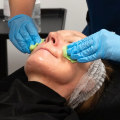
In recent years, medical aesthetics has emerged as a popular field that combines art and science to enhance physical appearance through various non-surgical treatments. But what exactly is medical aesthetics? At its core, it refers to a range of procedures designed to improve the aesthetic appearance of individuals, often focusing on the face and body. These treatments can address concerns such as wrinkles, skin texture, volume loss, and even unwanted hair, making them appealing to a diverse clientele. Understanding the different types of medical aesthetic treatments is essential for anyone considering these options. Common procedures include injectables like Botox and dermal fillers, which help to reduce the appearance of fine lines and restore facial volume.
Additionally, treatments such as chemical peels, laser therapy, and microdermabrasion are designed to rejuvenate the skin by improving its texture and tone. Each treatment offers unique benefits and potential risks, making it crucial for individuals to be well-informed before making decisions. This foundational knowledge not only helps in setting realistic expectations but also empowers individuals to choose the right treatment that aligns with their aesthetic goals. As we delve deeper into the world of medical aesthetics, it becomes clear that understanding these concepts is vital for anyone looking to enhance their appearance safely and effectively.
Assessing Your Goals and Expectations
Before undergoing any medical aesthetic treatment, it is crucial to assess your goals and expectations. Understanding what you hope to achieve can significantly influence your satisfaction with the results.Here are some key factors to consider:
- Define Your Goals: Take time to reflect on what you want from the treatment. Are you looking to enhance your natural features, reduce signs of aging, or address specific skin concerns? Clearly defining your goals will help you communicate effectively with your practitioner.
- Research Treatment Options: Different treatments offer varying results. For instance, while some procedures may provide immediate improvements, others may require multiple sessions for optimal outcomes. Familiarize yourself with the options available and their respective benefits.
- Set Realistic Expectations: It’s essential to have realistic expectations about what can be achieved.
While many treatments can yield impressive results, they may not deliver perfection. Discussing potential outcomes with your practitioner can help align your desires with achievable results.
- Consider Your Unique Factors: Individual factors such as skin type, age, and overall health can affect treatment outcomes. A thorough consultation with a qualified professional will help you understand how these factors may influence your results.
Researching Treatment Options
When considering medical aesthetic treatments, it is crucial to explore the various options available to ensure you make an informed decision.The landscape of medical aesthetics is diverse, encompassing a range of procedures designed to enhance appearance and boost confidence.
Types of Medical Aesthetic Treatments
- Injectables: These include dermal fillers and neuromodulators like Botox, which can reduce wrinkles and add volume to the face.
- Laser Treatments: Laser therapy can address skin issues such as pigmentation, scars, and hair removal.
- Chemical Peels: These treatments exfoliate the skin, improving texture and tone by removing dead skin cells.
- Microneedling: This procedure stimulates collagen production, helping to improve skin elasticity and reduce fine lines.
- Surgical Options: More invasive procedures like facelifts or liposuction may be considered for significant changes.
Comparing Treatment Options
Each treatment comes with its own set of benefits and risks. For instance, while injectables offer quick results with minimal downtime, they may require regular maintenance. On the other hand, surgical options might provide longer-lasting results but involve more recovery time and potential complications.To effectively compare treatments, consider the following factors:- Efficacy: Research clinical studies or patient testimonials to gauge how effective a treatment is for your specific concerns.
- Side Effects: Understand the potential side effects associated with each treatment. Some may have temporary effects, while others could lead to more serious complications.
- Cost: Evaluate the financial aspect, including initial costs and any ongoing maintenance fees.
- Provider Expertise: Look for qualified practitioners with experience in the specific treatment you are considering.
By understanding the various options available in medical aesthetics, you can make a choice that aligns with your aesthetic desires and health considerations.
Consultation with Professionals
Before undergoing any medical aesthetic treatment, it is crucial to have a thorough consultation with qualified professionals. This step not only helps in understanding the procedures available but also ensures that you are making informed decisions about your health and appearance.Importance of Consultation
A consultation serves as an opportunity to discuss your goals, expectations, and any concerns you may have. It allows the practitioner to assess your individual needs and recommend the most suitable treatments. Moreover, this initial meeting can help establish a rapport, which is essential for a successful outcome.
Questions to Ask During Consultation
When meeting with a practitioner, consider asking the following questions:
- What are your qualifications and experience? Understanding their background can provide insight into their expertise.
- What specific treatments do you recommend for my concerns? This helps gauge whether they are tailoring their approach to your unique situation.
- What are the potential risks and side effects? Being aware of these factors is vital for making an informed decision.
- Can you provide before-and-after photos of previous patients? Visual evidence can help set realistic expectations.
- What is the expected recovery time? Knowing this can help you plan accordingly.
Finding a Qualified Practitioner
To ensure safety and satisfaction, it is essential to find a qualified practitioner.
Look for professionals who are board-certified in their respective fields and have a solid reputation. Online reviews, testimonials, and referrals from friends or family can also guide your choice. Additionally, don’t hesitate to trust your instincts; if something feels off during the consultation, it may be worth seeking a second opinion.In summary, taking the time to consult with professionals before undergoing any medical aesthetic treatment is invaluable. It not only enhances your understanding of the procedures but also significantly contributes to achieving desired results safely.
Cost Considerations and Budgeting
When considering medical aesthetic treatments, understanding the cost involved is crucial for effective financial planning.The prices for these procedures can vary significantly based on factors such as the type of treatment, the provider's expertise, and geographical location.On average, here are some common costs associated with popular medical aesthetic treatments:
- Botox: Ranges from $300 to $600 per session, depending on the number of units required.
- Dermal Fillers: Typically cost between $500 and $1,500 per syringe.
- Chemical Peels: Can range from $150 for superficial peels to $3,000 for deeper treatments.
- Laser Treatments: Prices can vary widely, from $200 to over $2,000 per session.
- Research and Compare: Look into multiple providers to compare prices and services. This will help you find a balance between quality and affordability.
- Understand the Total Cost: Be aware that some treatments may require multiple sessions for optimal results. Factor in these additional costs when budgeting.
- Look for Promotions: Many clinics offer seasonal discounts or package deals that can significantly reduce overall expenses.
- Consultation Fees: Some providers charge for initial consultations. Ensure you account for this in your budget.
Avoid overspending on aesthetic procedures by setting a realistic budget that aligns with your overall financial goals. By planning ahead and being informed about the costs associated with medical aesthetics, you can make decisions that enhance both your appearance and your financial well-being.
Post-Treatment Care and Maintenance
After undergoing any medical aesthetic treatment, proper post-treatment care is crucial for achieving the best possible results. Each procedure may have specific aftercare instructions, but there are general guidelines that can help enhance recovery and maintain the effects of the treatment.General Post-Treatment Care Tips
- Follow Your Provider's Instructions: Always adhere to the specific aftercare guidelines provided by your practitioner. They understand your unique situation and can offer tailored advice.
- Avoid Sun Exposure: Protect your skin from direct sunlight, as UV rays can hinder healing and affect the results.
Use a broad-spectrum sunscreen with at least SPF 30.
- Stay Hydrated: Drinking plenty of water helps maintain skin elasticity and promotes healing. Aim for at least 8 glasses a day.
- Limit Physical Activity: Avoid strenuous exercise for a few days post-treatment to minimize swelling and allow your body to recover.
- Monitor for Side Effects: Keep an eye out for any unusual symptoms such as excessive swelling, redness, or pain. Contact your provider if you have concerns.
Maintenance After Aesthetic Procedures
To prolong the effects of your treatment, consider incorporating the following maintenance strategies into your routine:- Regular Follow-ups: Schedule follow-up appointments with your practitioner to assess results and discuss any additional treatments that may be beneficial.
- Skincare Regimen: Invest in a quality skincare routine that includes cleansing, moisturizing, and targeted treatments to support skin health.
- Avoid Smoking and Excessive Alcohol: Both can negatively impact skin health and recovery. Reducing or eliminating these habits can enhance your results.
Frequently Asked Questions (FAQs)
When considering medical aesthetics, potential patients often have numerous questions and concerns.Here are some of the most frequently asked questions:
- What types of treatments are available? Medical aesthetics encompasses a variety of treatments, including botox, dermal fillers, chemical peels, and laser therapies. Each treatment serves different purposes, from reducing wrinkles to improving skin texture.
- Are these treatments safe? Most medical aesthetic procedures are safe when performed by qualified professionals. However, it is crucial to discuss your medical history and any allergies with your provider to minimize risks.
- How long do the results last? The longevity of results varies by treatment. For instance, botox typically lasts 3-6 months, while dermal fillers can last from 6 months to 2 years depending on the type used.
- What should I expect during recovery? Recovery times differ based on the procedure.
Some treatments may require minimal downtime, while others might involve swelling or bruising that can last several days.
- How do I choose the right provider? Look for licensed professionals with experience in medical aesthetics. Reading reviews and asking for before-and-after photos can help you make an informed decision.
Conclusion: Making an Informed Decision
In conclusion, making an informed decision about medical aesthetic treatments is crucial for achieving the desired results while minimizing risks. As we have discussed, there are several key factors to consider before proceeding with any procedure. First and foremost, it is essential to conduct thorough research on the specific treatment you are considering. Understanding the benefits, risks, and expected outcomes can help you set realistic expectations.Additionally, consulting with a qualified and experienced practitioner is vital. They can provide personalized advice based on your unique skin type, medical history, and aesthetic goals. Another important aspect is to evaluate the facility where the treatment will be performed. Ensure that it adheres to safety standards and has a good reputation in the industry. Reading reviews and testimonials from previous clients can offer valuable insights into their experiences. Furthermore, consider your financial investment.
Medical aesthetic treatments can vary significantly in cost, and it’s important to understand what is included in the price. Be wary of deals that seem too good to be true, as they may compromise quality or safety. Lastly, take your time to reflect on your motivations for seeking treatment. Are you doing it for yourself or to meet external expectations? A clear understanding of your reasons can lead to a more satisfying outcome. By carefully weighing these factors, you can make a more informed decision that aligns with your personal goals and values. Remember, the journey towards enhancing your appearance should be a positive experience that boosts your confidence and well-being.