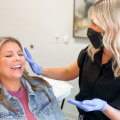
Medical aesthetics is a rapidly evolving field that bridges the gap between beauty and healthcare, offering a range of cosmetic procedures designed to enhance physical appearance and boost self-confidence. From non-invasive treatments like Botox and dermal fillers to advanced skin rejuvenation techniques, medical aesthetics encompasses a variety of options tailored to meet individual needs. As society increasingly values personal appearance, understanding the significance of these treatments becomes essential for both practitioners and clients alike.The relevance of medical aesthetics extends beyond mere vanity; it plays a crucial role in mental health and well-being. Many individuals seek out skin treatments not only to improve their looks but also to address issues such as acne scars, wrinkles, or uneven skin tone that can affect their self-esteem.
This growing demand has led to an influx of clinics and professionals specializing in aesthetic medicine, making it vital for potential clients to be informed about the various aspects of these procedures, including any age restrictions that may apply.As we delve deeper into the world of medical aesthetics, it is important to consider how age influences eligibility for certain treatments. While some procedures are suitable for younger individuals seeking preventive measures or early interventions, others may be more appropriate for older clients looking to reverse signs of aging. Understanding these nuances not only helps clients make informed decisions but also ensures that they receive safe and effective care tailored to their specific age-related needs.
What Are Medical Aesthetics?
Medical aesthetics refers to a range of non-surgical procedures designed to enhance an individual's appearance. These treatments focus on improving aesthetic concerns through minimally invasive techniques, often utilizing advanced technology and medical expertise.Types of Medical Aesthetics
- Injectables: This category includes Botox and dermal fillers, which are used to reduce wrinkles and restore volume to the face.
- Laser Treatments: Procedures such as laser hair removal, skin resurfacing, and tattoo removal fall under this type, utilizing focused light to target specific skin issues.
- Chemical Peels: These treatments involve applying a chemical solution to exfoliate the skin, improving texture and tone.
- Microneedling: This technique uses tiny needles to create micro-injuries in the skin, promoting collagen production and enhancing skin elasticity.
- Body Contouring: Non-invasive methods like CoolSculpting help reduce stubborn fat deposits without surgery.
Benefits of Medical Aesthetics
The benefits of medical aesthetics are numerous and can significantly impact an individual's self-esteem and quality of life.Some key advantages include:
- Minimally Invasive: Most procedures require little to no downtime, allowing individuals to return to their daily activities quickly.
- Customizable Treatments: Medical aesthetics can be tailored to meet individual needs and goals, ensuring personalized care.
- Natural Results: Many treatments provide subtle enhancements that look natural, avoiding the "overdone" appearance often associated with cosmetic surgery.
- Boosted Confidence: Enhancing one’s appearance can lead to increased self-confidence and improved mental well-being.
Age Restrictions in Medical Aesthetics
When it comes to medical aesthetics, age restrictions can vary significantly depending on the type of procedure and the regulations in place within different states. Understanding these restrictions is crucial for both practitioners and patients.Minimum Age for Cosmetic Procedures
- Most non-invasive procedures, such as Botox and dermal fillers, typically have a minimum age requirement of 18 years. This is largely due to the need for informed consent, which minors cannot legally provide.
- Some clinics may offer treatments to individuals as young as 16 with parental consent, particularly for acne treatments or skin rejuvenation procedures.
- In many states, the legal age for surgical procedures, such as liposuction or facelifts, is set at 18 years.
This is to ensure that patients are mature enough to understand the risks and benefits involved.
- However, exceptions exist; some states allow minors to undergo certain surgical procedures if they meet specific medical criteria and have parental consent.
- California has strict guidelines regarding the age at which minors can receive aesthetic treatments, often requiring a thorough evaluation by a licensed physician.
- In contrast, states like Texas may have more lenient policies, allowing certain treatments with parental consent at younger ages.
Common Procedures and Their Age Guidelines
Understanding the age guidelines for various medical aesthetic procedures is crucial for ensuring safety and effectiveness. Here’s a breakdown of some common treatments and their recommended age limits.Botox Age Limit
Botox is widely used for reducing the appearance of fine lines and wrinkles.While there is no strict age limit, most practitioners recommend that patients be at least 18 years old. This is primarily to ensure that individuals have fully developed facial muscles and can make informed decisions about their treatment. Many clients in their late 20s to early 30s start using Botox as a preventive measure.
Fillers Age Restrictions
Dermal fillers, used to add volume and smooth out wrinkles, typically have similar age guidelines. Patients are generally advised to be at least 21 years old.This age threshold helps ensure that individuals are mature enough to understand the implications of the treatment. However, some practitioners may consider younger patients if they have specific concerns, such as volume loss due to medical conditions.
Laser Treatments Age Guidelines
Laser treatments, which can address issues like pigmentation, acne scars, and skin tightening, often have more flexible age guidelines. Many clinics will perform laser treatments on patients as young as 16 years old, especially for acne scars or other skin conditions. However, parental consent is usually required for minors.For older adults, laser treatments can be beneficial in rejuvenating the skin and addressing signs of aging.In summary, while there are general age recommendations for medical aesthetics, individual circumstances and consultation with a qualified practitioner are essential in determining the right treatment plan for each patient.
Parental Consent and Minors in Medical Aesthetics
When it comes to medical aesthetics for minors, the role of parental consent is crucial. Many aesthetic procedures, such as dermal fillers, Botox, and laser treatments, are typically not recommended for individuals under the age of 18. However, there are instances where minors may seek these treatments, often driven by social pressures or personal insecurities.Understanding Parental Consent
- Legal Requirements: In most states, medical practitioners require written consent from a parent or legal guardian before performing any aesthetic procedure on a minor. This is not only a legal obligation but also an ethical one, ensuring that parents are involved in their child's healthcare decisions.
- Informed Decision-Making: Parents must be fully informed about the potential risks and benefits of the procedure. This includes understanding the long-term implications of cosmetic treatments on a developing body and mind.
- Age Considerations: Some clinics may have specific age restrictions for certain procedures.
For example, while some non-invasive treatments may be available to teenagers with parental consent, more invasive procedures might be limited to older adolescents.
Ethical Considerations
The decision to allow a minor to undergo aesthetic treatment should not be taken lightly. Ethical considerations include:
- Psychological Impact: The motivations behind seeking cosmetic procedures at a young age can often stem from issues related to self-esteem and body image. It is essential for parents and practitioners to assess whether these motivations are healthy.
- Long-Term Effects: The long-term effects of cosmetic procedures on minors are still being studied. Parents should consider whether their child is emotionally mature enough to handle the outcomes of such treatments.
- Alternatives: Before proceeding with aesthetic treatments, exploring alternatives such as counseling or non-invasive skincare routines may be beneficial for minors struggling with body image issues.
Ensuring that both ethical and legal standards are met will help safeguard the well-being of young patients.
The Role of Consultation in Determining Eligibility
When considering medical aesthetics, the initial step is often a thorough consultation. This process is crucial in determining a patient's eligibility for various aesthetic treatments, particularly when age and health status come into play. During the consultation, practitioners assess not only the patient's physical condition but also their emotional readiness and expectations regarding the procedures.Consultation
serves multiple purposes:- Understanding Patient Goals: Practitioners engage with patients to understand their aesthetic goals, which helps in recommending suitable treatments.
- Health Assessment: A comprehensive health history is taken to identify any underlying conditions that may affect treatment outcomes.
- Age Considerations: Certain procedures may have age restrictions due to developmental factors or skin elasticity concerns. For instance, younger patients may be advised against certain injectables until they reach a more mature age.
- Informed Consent: Patients are educated about the risks and benefits of treatments, ensuring they make informed decisions.
For example, non-invasive procedures like chemical peels may have fewer restrictions compared to surgical options such as facelifts. Practitioners often use standardized assessment tools to evaluate skin type, texture, and overall health, which can influence eligibility.Ultimately, the consultation is not just a formality; it is a vital step that ensures safety and satisfaction for patients seeking aesthetic treatments. By addressing individual needs and concerns, practitioners can tailor their recommendations effectively, leading to better outcomes and enhanced patient confidence.
FAQs About Age Restrictions in Medical Aesthetics
When it comes to medical aesthetics, many individuals have questions regarding age restrictions and the suitability of various procedures for different age groups. Here are some frequently asked questions that can help clarify these concerns:- Is there a minimum age for cosmetic procedures?Most practitioners recommend that patients be at least 18 years old for non-invasive procedures, such as dermal fillers and Botox.
This is primarily to ensure that individuals are making informed decisions and have the emotional maturity to understand the implications of these treatments.
- Can teenagers receive aesthetic treatments?While some clinics may offer treatments to younger patients, it is generally advised that teenagers wait until they are older. However, in cases of severe acne or other skin conditions, dermatologists may recommend specific treatments.
- Are there age limits for older adults?There is no strict upper age limit for receiving aesthetic treatments. Many older adults seek procedures to enhance their appearance and boost their confidence. However, a thorough medical evaluation is essential to ensure safety and suitability.
- What are common myths about age and cosmetic procedures?One prevalent myth is that only young people can benefit from aesthetic treatments.
In reality, individuals of all ages can achieve positive results. Another misconception is that older patients cannot heal as well; while healing may take longer, many older adults respond favorably to treatments.
Conclusion: Key Takeaways on Age Restrictions in Medical Aesthetics
In summary, understanding the age restrictions in medical aesthetics is crucial for both practitioners and patients. Throughout this article, we have explored various aspects of age-related guidelines and their implications on treatment options.Key Takeaways:- Age Guidelines: Most medical aesthetic procedures have recommended age limits, often starting from the late teens to early twenties for treatments like Botox and fillers.
This is primarily to ensure that the individual’s facial structure is fully developed.
- Parental Consent: For minors seeking aesthetic treatments, parental or guardian consent is typically required. This ensures that the decision is made with careful consideration of the minor's emotional and physical maturity.
- Consultation Importance: A thorough consultation with a qualified practitioner can help determine the appropriateness of a procedure based on age, skin type, and individual needs. This step is essential to avoid potential complications and ensure satisfactory results.
- Regulatory Variations: It’s important to note that age restrictions can vary by state or country, influenced by local regulations and medical standards. Always check the specific laws applicable in your area.
Each individual’s unique circumstances should be taken into account to ensure safe and effective outcomes. By staying informed about these guidelines, both patients and practitioners can navigate the world of medical aesthetics more effectively.