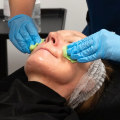
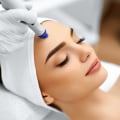
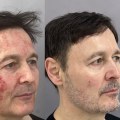
Medical aesthetics is a specialized field that combines medical knowledge with aesthetic principles to enhance an individual's appearance through non-surgical procedures. This area of medicine focuses on improving cosmetic concerns, such as skin texture, volume loss, and signs of aging, using a variety of innovative treatments. Unlike traditional cosmetic surgery, which often involves invasive techniques, medical aesthetics offers a range of options that are typically less invasive and require minimal downtime.There are several types of medical aesthetic treatments available today, each designed to address specific concerns. Common procedures include injectables like Botox and dermal fillers, which can smooth out wrinkles and restore lost volume.
Additionally, laser therapies are popular for skin rejuvenation, targeting issues such as pigmentation, acne scars, and vascular lesions. Other treatments may involve chemical peels , which exfoliate the skin to reveal a brighter complexion, or microneedling , which stimulates collagen production for improved skin texture.Understanding the various options within medical aesthetics is crucial for anyone considering these treatments. Each procedure has its own set of benefits and potential risks, making it essential to consult with a qualified professional who can guide you in choosing the right treatment based on your individual needs and goals. By exploring the world of medical aesthetics, you can make informed decisions that align with your vision of beauty and self-care.
Assessing Your Needs and Goals
When considering a medical aesthetic treatment, the first step is to assess your individual needs and personal goals.Understanding what you hope to achieve can significantly influence the type of treatment that is right for you.
Identifying Your Aesthetic Needs
- Take a close look at your skin. Are you dealing with issues such as acne scars, fine lines, or hyperpigmentation? Identifying specific concerns will help narrow down your options.
- Consider your skin type. Different treatments work better for oily, dry, or combination skin. Knowing your skin type can guide you toward the most effective solutions.
- Reflect on any previous treatments.
Have you tried anything in the past that worked well or didn’t meet your expectations? This information can be valuable when discussing options with a professional.
Setting Personal Goals for Treatment
- Define what success looks like for you. Are you looking for subtle enhancements or dramatic changes? Being clear about your desired outcome will help in selecting the right procedure.
- Think about the longevity of results. Some treatments offer temporary results, while others provide long-lasting effects. Consider how often you want to maintain your appearance.
- Evaluate your lifestyle and how it may affect recovery time.
Some procedures require downtime, so it’s essential to choose a treatment that fits into your schedule.
Consultation with a Professional
When considering a medical aesthetic treatment, the first and most crucial step is to consult with a qualified professional. This consultation serves as an opportunity to discuss your goals, concerns, and the various options available to you. It is essential to choose a practitioner who is not only experienced but also understands your unique needs.Choosing a Medical Aesthetic Professional
- Look for credentials: Ensure that the professional is licensed and has specialized training in medical aesthetics.
- Read reviews: Check online reviews and testimonials from previous clients to gauge their satisfaction.
- Ask about experience: Inquire how long they have been practicing and their experience with the specific treatment you are considering.
What to Expect During the Consultation
During your consultation, you can expect a thorough discussion about your medical history, skin type, and aesthetic goals.
The professional will likely perform an assessment to determine which treatments are suitable for you. This is also the time to ask any questions you may have.
Questions to Ask During Consultation
- What are the potential risks and side effects of the treatment?
- How many procedures have you performed similar to this one?
- What results can I realistically expect?
- What is the recovery time, and what aftercare will I need?
Understanding Different Treatment Options
When considering medical aesthetics, it's essential to understand the various treatment options available, as each serves different purposes and caters to unique skin concerns. Below, we explore some of the most popular categories of treatments.Injectables
Injectables are among the most sought-after treatments in medical aesthetics.They include:
- Botox: Primarily used for reducing the appearance of fine lines and wrinkles by temporarily paralyzing muscles.
- Dermal Fillers: These add volume to areas such as lips and cheeks, helping to restore youthful contours.
- Kybella: An injectable that targets and reduces fat under the chin, enhancing jawline definition.
Laser Treatments
Laser treatments offer a range of solutions for skin rejuvenation, hair removal, and pigmentation issues. Some common types include:- Laser Hair Removal: A long-term solution for unwanted hair, using concentrated light to target hair follicles.
- Fractional Laser Resurfacing: This treatment improves skin texture and tone by stimulating collagen production.
- Pigmentation Treatments: Lasers can effectively reduce age spots, sun damage, and other discolorations.
Skincare Procedures
A variety of skincare procedures are also available to enhance skin health and appearance. These include:- Chemical Peels: These exfoliate the skin's surface, improving texture and reducing signs of aging.
- Microdermabrasion: A non-invasive procedure that removes dead skin cells, promoting a brighter complexion.
- Microneedling: This technique stimulates collagen production by creating tiny punctures in the skin.
Evaluating Risks and Benefits
When considering medical aesthetic treatments, it is crucial to evaluate both the potential risks and benefits associated with each option.Understanding these factors can help you make an informed decision that aligns with your personal goals and health considerations.
Benefits of Medical Aesthetic Treatments
- Enhanced Appearance: Many treatments can improve skin texture, reduce wrinkles, and enhance facial contours, leading to a more youthful appearance.
- Boosted Confidence: Achieving desired aesthetic results can significantly enhance self-esteem and overall confidence.
- Minimally Invasive Options: Many procedures are non-surgical or minimally invasive, allowing for quicker recovery times compared to traditional surgery.
- Customizable Treatments: Medical aesthetics offer a range of options tailored to individual needs, ensuring personalized care.
Risks and Side Effects
While the benefits can be appealing, it is essential to be aware of the potential risks and side effects. These may include:- Allergic Reactions: Some individuals may experience allergic reactions to substances used in treatments, such as fillers or anesthetics.
- Infection: Any procedure that involves needles or incisions carries a risk of infection if not performed in a sterile environment.
- Scarring: Although rare, some treatments can lead to scarring or changes in skin texture.
- Temporary Side Effects: Common side effects may include swelling, bruising, or redness at the treatment site, which typically resolve within a few days.
Cost Considerations and Budgeting
When considering medical aesthetic treatments, understanding the cost involved is crucial for making an informed decision. The price of these treatments can vary significantly based on several factors, including the type of procedure, the expertise of the practitioner, and the location of the clinic.Cost of Medical Aesthetics
- Consultation Fees: Many clinics charge a fee for initial consultations, which can range from $50 to $200.
- Procedure Costs: Treatments like Botox or dermal fillers can cost anywhere from $300 to $1,500 per session, depending on the amount used and the area treated.
- Follow-Up Treatments: Some procedures require maintenance sessions, which should be factored into your overall budget.
Here are some tips to help you manage your finances:
- Research Prices: Look up average costs in your area to set realistic expectations.
- Prioritize Treatments: Decide which treatments are most important to you and allocate funds accordingly.
- Create a Savings Plan: Set aside a specific amount each month dedicated to your aesthetic goals.
- Payment Plans: Some clinics provide in-house financing plans that let you spread out payments.
- Medical Credit Cards: Specialized credit cards for medical expenses can help manage costs with promotional financing offers.
- Personal Loans: Consider personal loans if you need a larger sum to cover multiple treatments.
Post-Treatment Care and Expectations
After undergoing a medical aesthetic treatment, understanding post-treatment care is crucial for achieving optimal results and ensuring a smooth recovery. Each procedure may have specific aftercare instructions, but there are general guidelines that can help you navigate the recovery process.General Post-Treatment Care
- Follow Your Provider's Instructions: Always adhere to the specific aftercare instructions provided by your practitioner.
These guidelines are tailored to your individual treatment and skin type.
- Avoid Sun Exposure: Protect your skin from direct sunlight for at least two weeks post-treatment. Use a broad-spectrum sunscreen with an SPF of 30 or higher to prevent pigmentation issues.
- Stay Hydrated: Drink plenty of water to help your skin heal and maintain its elasticity.
- Avoid Strenuous Activities: Refrain from intense workouts or activities that may cause excessive sweating for a few days, as this can irritate the treated area.
What to Expect During Recovery
The recovery experience can vary significantly depending on the type of treatment you received. Here are some common expectations:- Swelling and Redness: It is normal to experience some swelling and redness immediately after the procedure. This usually subsides within a few hours to a few days.
- Bruising: Some treatments, especially injectables, may cause bruising.
This typically resolves within a week.
- Sensitivity: Your skin may feel sensitive or tight for a short period. Using gentle skincare products can help alleviate discomfort.
- Results Over Time: Many aesthetic treatments reveal their full results gradually. Be patient as your skin heals and transforms.
Frequently Asked Questions (FAQs)
When considering medical aesthetic treatments, it's natural to have questions.Here are some of the most frequently asked questions that can help you make an informed decision:
- What types of treatments are available? Medical aesthetics encompasses a variety of procedures, including Botox, dermal fillers, chemical peels, and laser treatments. Each treatment serves different purposes, from reducing wrinkles to improving skin texture.
- How do I know which treatment is right for me? The best way to determine the right treatment is to consult with a qualified professional. They will assess your skin type, discuss your goals, and recommend options tailored to your needs.
- Are these treatments safe? Most medical aesthetic treatments are considered safe when performed by licensed practitioners. However, it’s essential to discuss any medical conditions or allergies with your provider beforehand.
- What can I expect during the procedure? Each treatment varies in procedure length and complexity.
Generally, you can expect a consultation followed by the treatment itself, which may involve minimal discomfort. Your provider will explain what to expect before starting.
- How long do results last? The longevity of results depends on the type of treatment. For example, Botox typically lasts 3-6 months, while dermal fillers can last from 6 months to 2 years.
- Are there any side effects? While many people experience minimal side effects, some may encounter swelling, bruising, or redness at the injection site. These effects usually subside within a few days.