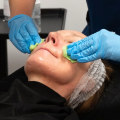
Medical aesthetics encompasses a range of professional treatments designed to address cosmetic concerns while incorporating medical knowledge, safety considerations, and individualized care. Depending on the provider and treatment plan, services may include injectables, skin treatments, laser procedures, body contouring, and other minimally invasive or noninvasive options. People may pursue aesthetic treatments for many reasons, such as addressing changes associated with aging, improving the appearance of specific features, or feeling more comfortable with their appearance. Before choosing a procedure, individuals should consult a qualified provider who can explain realistic outcomes, potential risks, recovery requirements, and available alternatives. A thoughtful consultation can help ensure that aesthetic decisions are based on informed expectations rather than pressure or unrealistic standards.
Setting Realistic Aesthetic Goals
Aesthetic goals are highly personal, and there is no universal definition of an ideal appearance. Some individuals may want subtle changes that enhance features, while others may have specific concerns about skin texture, facial contours, or signs of aging. Establishing clear and realistic goals can help patients and providers determine whether a particular treatment is appropriate. A qualified professional should discuss what a procedure can and cannot accomplish rather than promising guaranteed results. Patients can also ask questions about expected outcomes, maintenance, possible side effects, and recovery time. Taking time to understand these factors allows individuals to make decisions that align with their preferences and overall circumstances.
Considering Confidence and Self-Image
Appearance can influence how people feel about themselves, but confidence is shaped by many factors, including relationships, accomplishments, personal values, physical health, and emotional resilience. Medical aesthetics may help some individuals feel more comfortable with a particular feature, but cosmetic treatment should not be viewed as the sole solution to low self-esteem or emotional distress. Maintaining a balanced perspective can help individuals approach aesthetic procedures as personal choices rather than requirements for feeling worthy or accepted. It can also be helpful to identify whether a desired change comes from a personal preference or from external pressure, social media comparisons, or unrealistic beauty expectations.
Connecting Aesthetic Care With Emotional Wellness
Emotional well-being deserves consideration before and after aesthetic treatments. Individuals may experience excitement, nervousness, uncertainty, or disappointment depending on their expectations and results. Preparing emotionally for the possibility that a procedure may produce subtle or different outcomes can support a healthier experience. When concerns about appearance become persistent, interfere with daily activities, or cause significant distress, speaking with a qualified mental health professional may be appropriate. Resources such as Cabot Psychological Services Minneapolis can provide professional support for individuals experiencing anxiety, self-esteem concerns, or other emotional challenges. Psychological care can complement aesthetic treatment by helping individuals develop healthier perspectives on appearance and confidence.
Making Informed and Personal Choices
A safe medical aesthetics experience begins with choosing an appropriately qualified provider and discussing relevant medical information, medications, allergies, previous procedures, and health conditions. Patients should understand the risks and benefits of any treatment before providing consent. It is also important to allow appropriate recovery time and follow aftercare instructions. Cosmetic procedures should never be undertaken solely because of pressure from others or a belief that appearance must meet a particular standard. Individuals can take time to consider whether a treatment fits their personal goals, financial circumstances, lifestyle, and emotional needs.
Taking a Whole-Person Approach
Medical aesthetics can be part of personal self-care when approached thoughtfully and realistically. A whole-person perspective recognizes that physical appearance and emotional well-being may interact, while also understanding that cosmetic treatments cannot address every source of dissatisfaction or distress. Combining informed aesthetic decisions with healthy routines, supportive relationships, meaningful activities, and appropriate psychological care can create a more balanced approach to confidence. Ultimately, medical aesthetics is most beneficial when individuals pursue changes because they genuinely want them, understand the potential outcomes, and maintain realistic expectations. By balancing aesthetic goals with emotional wellness, patients can make more informed decisions that support comfort, confidence, personal autonomy, and a healthier overall relationship with their appearance.